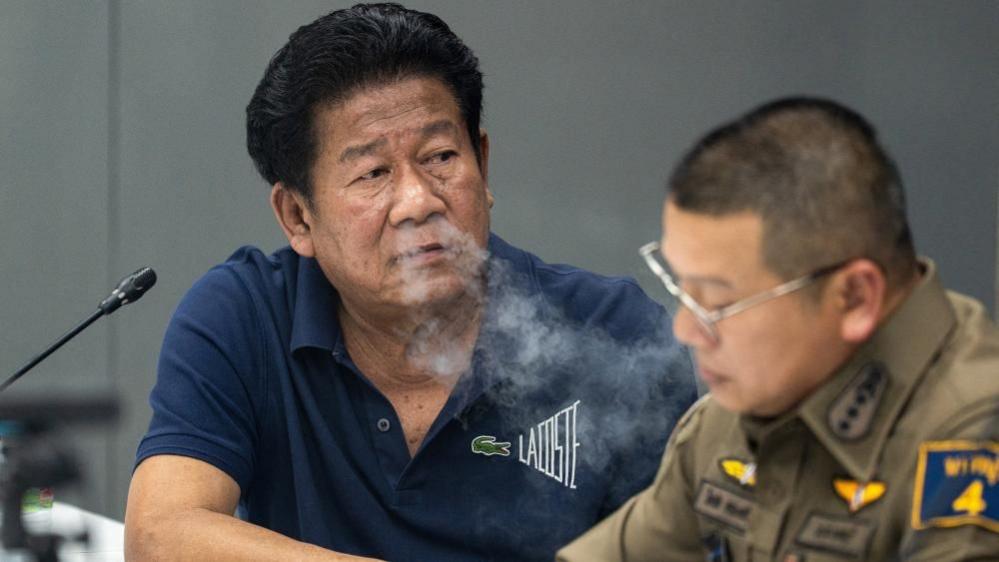
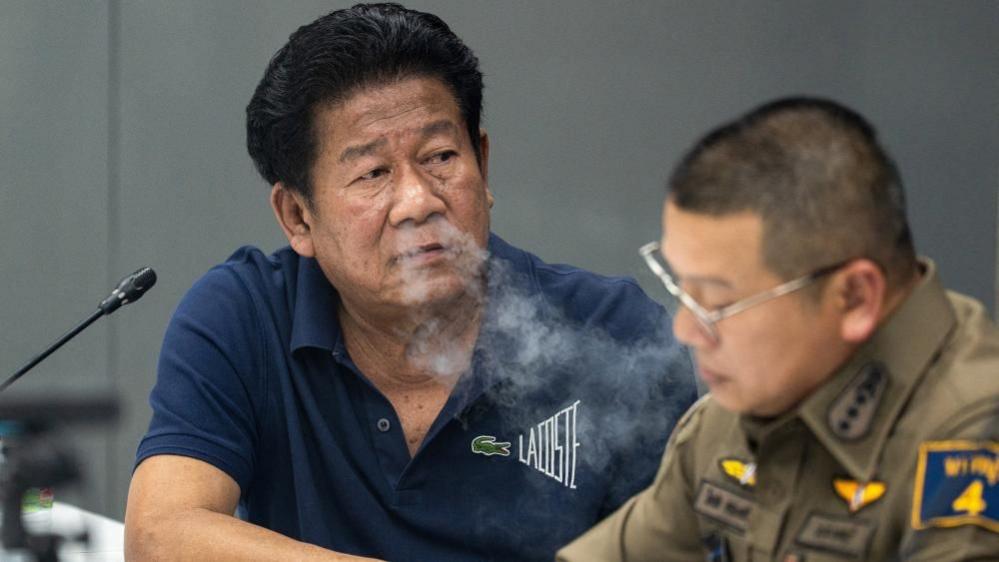
Just three days after a 14‑year‑old opened fire on his school, killing eight and killing himself, a former politician named Chalong Riewrang fired four shots into a vehicle in the same province. The incident, which was covered live on YouTube, added to the bleak picture of Thailand’s gun problem.
Thailand’s civilian gun ownership tops 10 million, 4 million of which are unlicensed. The numbers fuel household disputes, robberies and bar fights that often end in death. In one tragic day, politicians, teachers, and even a police sergeant were among the casualties.
Government officials will halt the “discount purchase scheme” that lets police and officials buy firearms at steeply reduced prices, and they plan to tighten possession permits and even offer amnesty for unlicensed guns.
Despite stricter rules, the cultural allure of guns remains strong. Many Thai families view firearms as a status symbol and a means of self‑protection, especially after the country’s long military domination and widespread corruption.
Officials say the problem is not only one of regulation; the sheer volume of firearms, easy access for civilians, and gaps in enforcement keep violence flowing. With each new tragedy, the conversation around gun control becomes louder, but the answer may lie in changing cultural attitudes as much as in laws.