In brief
A viral myth that a single bump can make a man's genitals disappear has spiraled into a wave of mob violence across seven African countries, claiming over 80 lives. The story began in the DRC, spread through TikTok and Facebook, and was fueled by ancient superstitions and modern tech. Police, governments and NGOs are now working to stop the misinformation, while communities recover from trauma and loss.
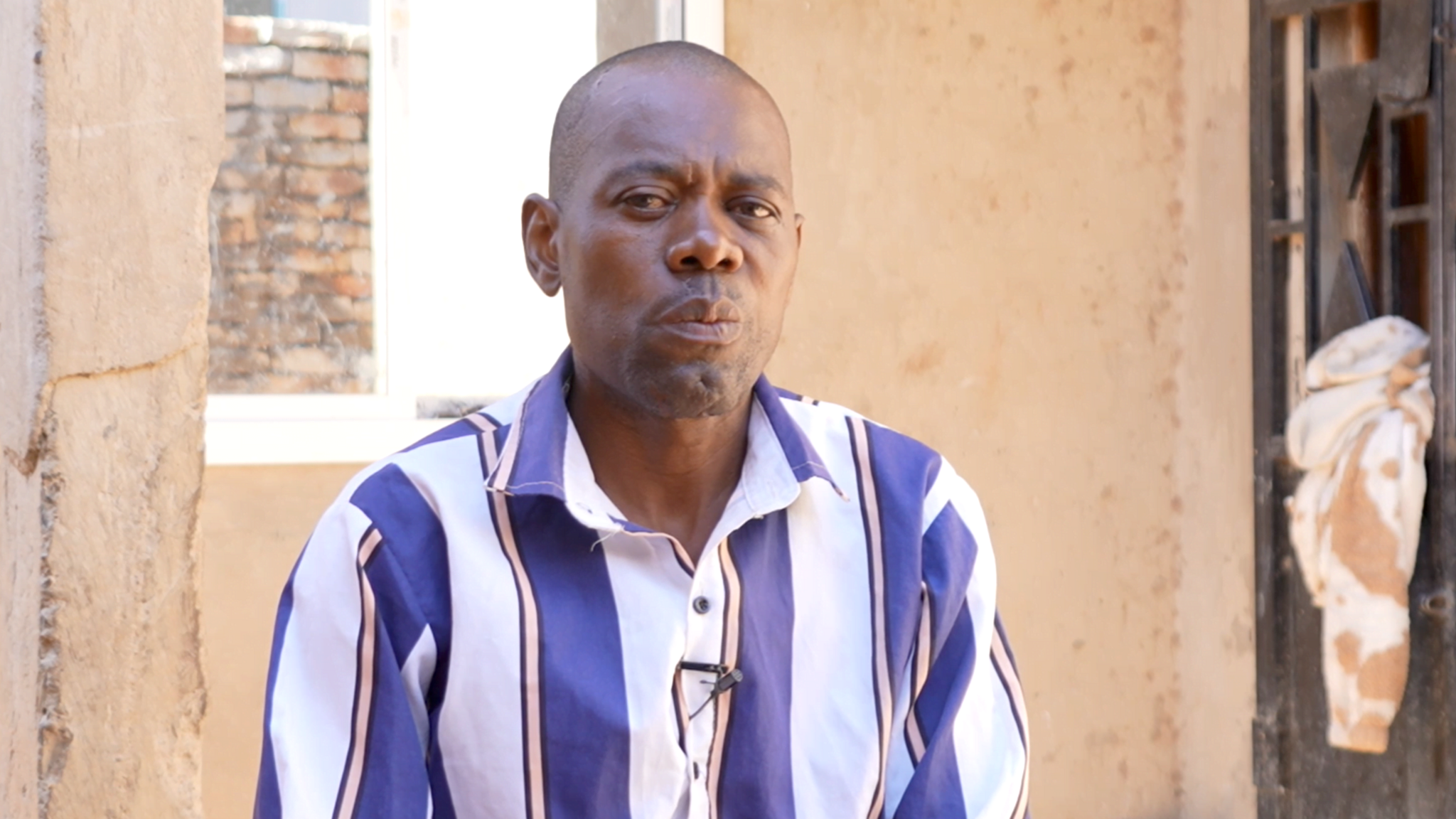
In the quiet town of Tunduma, a mechanic named Boniface Mgala was pulled outside a restaurant at lunch hour. He and his friend were attacked and beaten by a mob that shouted: ‘You stole someone’s genitals!’ Mgala survived, but the story ripped through the region like wildfire.
The rumor was simple yet terrifying: a touch could cause a man’s genitals to shrink or vanish. It travelled on TikTok, Facebook, and WhatsApp, turning ordinary people into doers of “genital theft” and sparking dozens of violent assaults. Investigations by the BBC’s Global Disinformation Unit showed that the myth started in the Democratic Republic of Congo in 2025, then spread to Uganda, Zambia, Tanzania, Mozambique, Kenya, and Malawi.
The attacks left at least 55 people dead in Mozambique alone, including a police officer and health workers. In Kenya’s coastal counties, five people were killed. The trend has been called “Koro syndrome” or “missing‑body anxiety” in some health circles, but no scientific evidence supports the claims.
Social‑media companies have started to flag content. Meta is reviewing videos, while TikTok has yet to respond to a BBC request. Authorities have increased patrols and prosecuted individuals who staged the attacks for online fame.
The story underscores how misinformation, rooted in old beliefs, can explode in the digital age. Experts say the spread is faster and harder to shut down once videos go viral.
For those studying social media trends, the incident offers a stark reminder: a single rumor can turn the internet into a conduit for real‑world violence.
Key Facts
- • Over 80 deaths across seven African nations.
- • Rumor began in the DRC, spread to Zambia, Tanzania, Mozambique, Kenya, and Malawi.
- • Governments are denying medical evidence of lost genitals.
- • Social media platforms are now flagging and removing misinformation videos.
- • Public health officials link the myth to Koro syndrome.
Learn more at BBCAfrica.com.