In brief
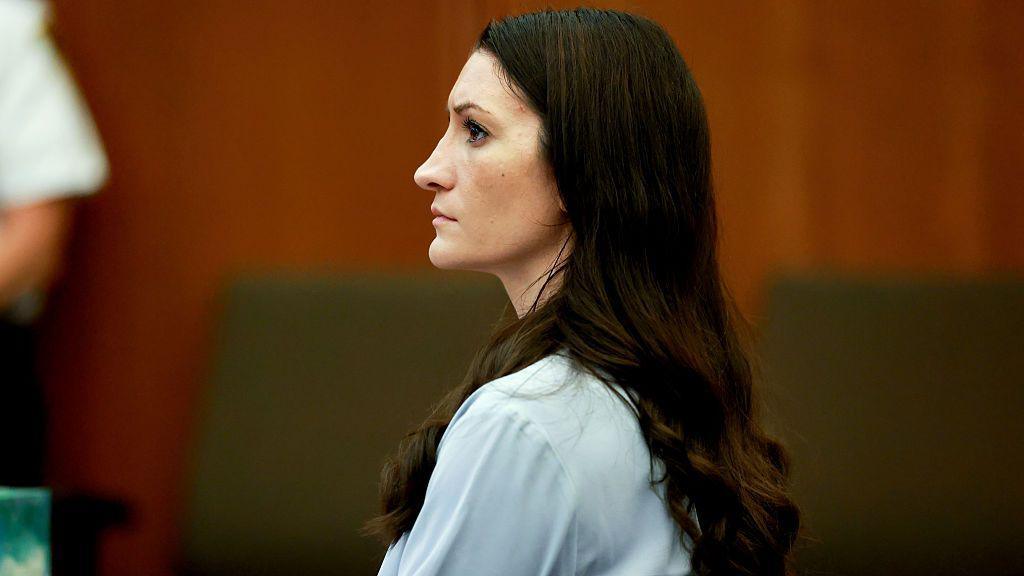
Lindsay Clancy, a 36‑year‑old Massachusetts mother, is on trial for killing her three young children. She neither denies guilt nor defends her sanity – her lawyers claim she suffered severe mental illness, while prosecutors argue she deliberately chose to kill. Over five weeks, testimonies from her ex‑husband, family, psychiatric experts, and a forum about faith turned the case into a national conversation. The trial offers a complicated look at how courts weigh mental‑health evidence in extreme criminal cases.
The trial of Lindsay Clancy has been a headline‑making, six‑week run that has filled courtrooms and scrolling feeds with shocking details.
Clancy was convicted on 24 January 2023 in her Duxbury, Massachusetts home for strangling her 5‑year‑old daughter Cora, 3‑year‑old son Dawson and her 8‑month‑old son Callan with workout bands. After the brutal act she leapt from a second‑floor window, dying a month later. Her guilt is indisputable – the prosecution has not called it out, yet the defence argues that postpartum psychosis made her legally insane.
The courtroom has seen vivid testimony. Patrick Clancy, her ex‑husband, detailed a month‑long “spiral” of depression, hallucinations, suicidal thoughts and medication binges. His hushed recount of seeing the kids in the basement and hearing his own 911 call has stoked public sympathy. The mother, Susan Clancy, highlighted a transition from a caring parent to one who worried she might harm her own children.
Experts were called on both sides: 10 psychiatrists offered starkly different views. One testified that Clancy had no signs of psychosis during five months of treatment; the other noted “pressured speech” and bold hallucinations that could fit a postpartum diagnosis. The courtroom standoff over terminology – and even a brief dig at Catholic faith – illustrates the high stakes.
Media coverage and Twitter feeds added their own story. Tens of thousands queued outside the courthouse wearing pink shirts, chanting, “She needed help” and “Peace for Lindsay”. Viral clips of family members explaining their love for the mother helped even the most distant readers feel the weight of mental‑health debate.
As looming closing arguments approach, the court has almost ended the state’s argument: the motion for a mistrial was denied, but the judge urged jurors to ignore “absolutely inappropriate” faith‑based questions. The case is a stark reminder: mental‑health issues can tragically blur the line between tragic guilt and genuine insanity.