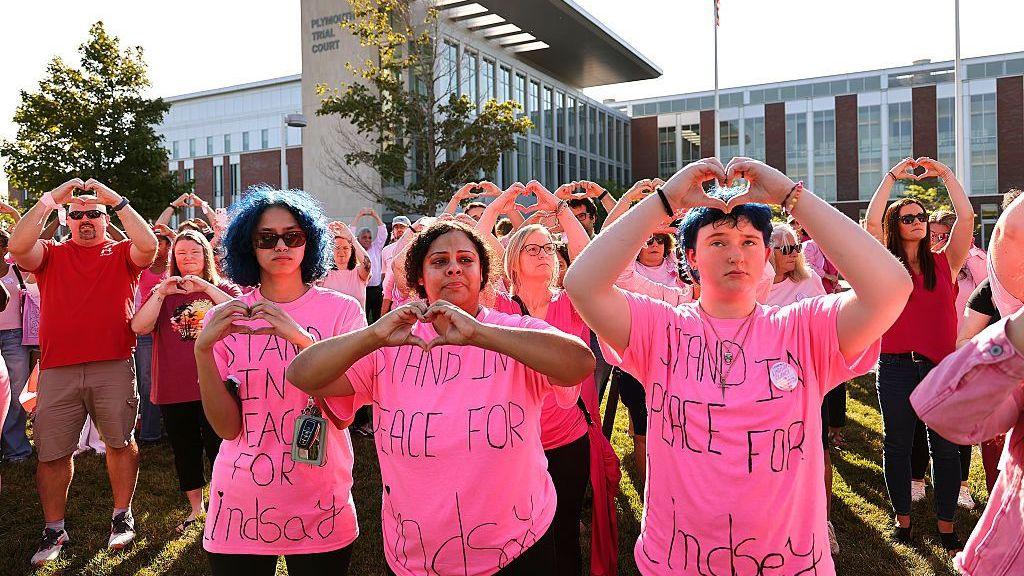
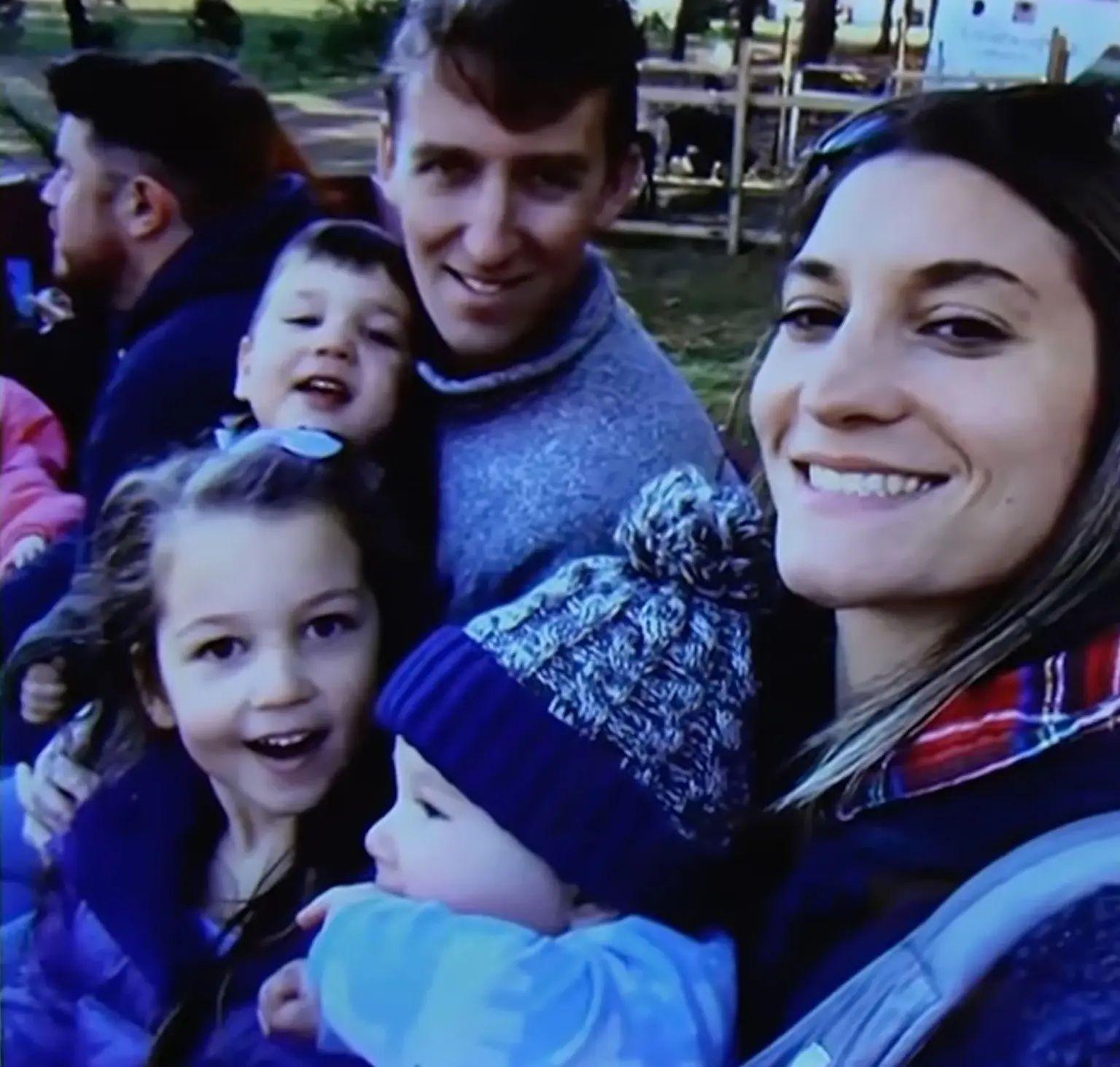
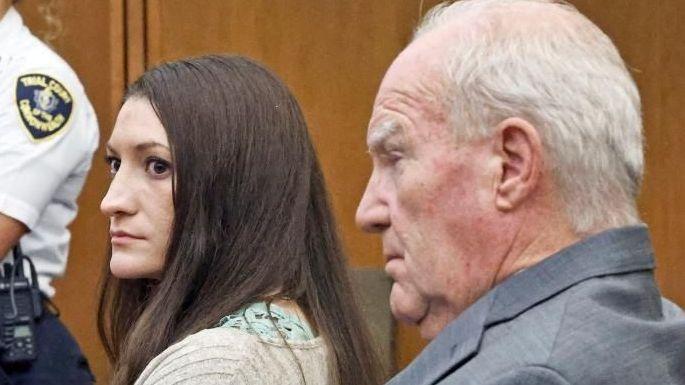
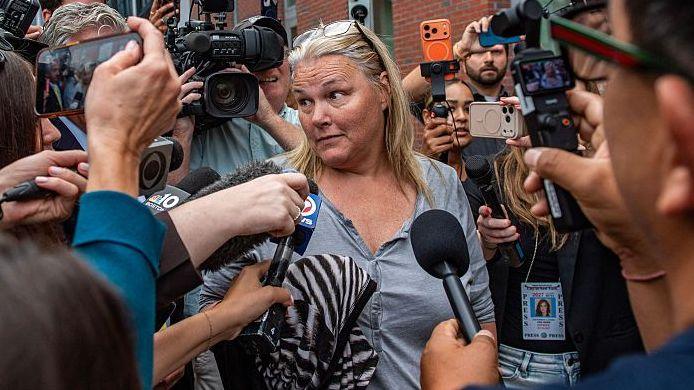
When a Massachusetts judge handed down a mistrial notification for the Lindsay Clancy case, the headline buzz didn’t stop. For five weeks the courtroom became the epicenter of a national debate: a mother who, after a mental health crisis following childbirth, killed her children. The jury wasn’t willing to agree, and the legal system was left staring at a verdict‑blank.
Clancy faced three first‑degree murder counts. She didn’t deny the killings but said the postpartum psychosis that surged after giving birth left her unable to grasp reality, making criminal responsibility unfair.
The case echoed across social media, turning the courtroom into a cultural battleground. The story was the only one to top the “trending” list on several platforms during the trial. Then, when the jury couldn’t reach unanimity, the judge ruled a mistrial, effectively ending the legal bid for justice and sparking controversy about how mental health is treated in criminal trials.
For younger viewers, the key take‑away is that science, law, and public opinion can collide in ways that feel wild and unpredictable, with each side having its own narrative. It’s a reminder of how the press and the courts feed into each other, and how a single verdict can shape community conversations for weeks.