In brief
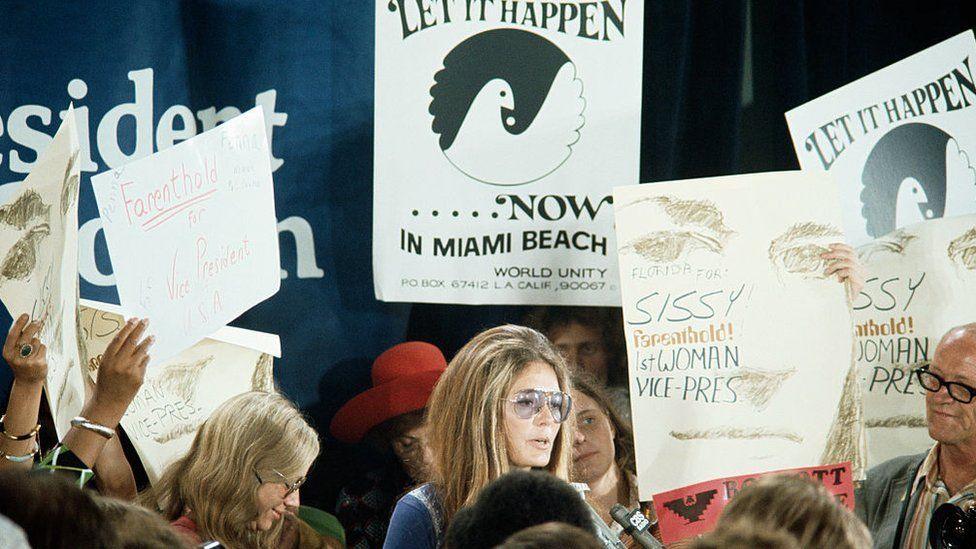
Gloria Steinem braved a nomadic early life and turned her rebellious spirit into a planet‑wide voice for women's rights. She exposed sexism at Playboy, founded the all‑female‑run Ms. Magazine, and championed abortion and equal‑rights reform. Through interviews, marches and headlines, she reshaped the way America talks about gender. Her legacy is a blend of grit, style and unmatched activism that continues to inspire new generations.
Gloria Steinem was born on a moving truck in 1934 and grew up on the road, caring for her mentally ill mother while her father left the family behind. When she finally started school at 12, the world of gendered expectations had already begun to set its sights on her.
In the 1960s, she broke sexist newsroom walls by juggling freelance gigs, and her daring Playboy‑Bunny cover‑story, A Bunny's Tale, forced a national conversation about women’s exploitation. That investigative work opened doors that led straight to New York’s New York Magazine and, in 1972, it sparked the birth of Ms.—the first fictionally‑female‑owned monthly that ran on feminist headlines, not home‑cooking tips.
Her comeback hit again when she voiced her own abortion story in 1969—no longer a taboo, it became “reproductive freedom” and a rallying cry for equal rights. She co‑founded the National Women’s Political Caucus, testified for the Equal Rights Amendment, and pushed for same‑sex marriage long before legalization.
Not all praise was good: critics on the right and left alike spiked her with sexist insults, called her “too glamorous,” and even water‑boarded her phone number onto a magazine’s front cover. Yet she used the confrontation to push forward and refuse cancel culture, arguing for respectful dialogue even when people were wrong.
In her later life, Steinem’s personal story evolved: she married designer David Bale in 2000, fought breast cancer in the 1980s, and turned 90 in 2024—still championing women’s voices and seeing herself as a living example of how one person can change a nation’s language and laws.
From the dusty farmtracks of Ohio to the front pages of the world’s papers, Gloria’s story isn’t just history. It’s a reminder that each of us can write bold headlines of our own—today, that’s 60‑second news you can share, debate, and act on.