Inside China's Schools for 'Rebellious' Teens
Warning: This report contains details of physical and sexual abuse and discussion of suicide.
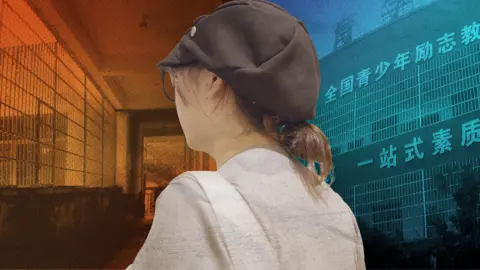
Baobao's heart still races when she smells soil after morning rain, bringing back memories from the Lizheng Quality Education School, where she spent six months under oppressive conditions. The facility, located in a remote area of China, attempts to ‘reform’ youth deemed rebellious or problematic by their families. While there, Baobao recalls despicable abuse that left lasting scars.
Through interviews with 23 former students, a BBC investigation has revealed shocking abuse cases across multiple reformatory schools within the same network, asserting that many students are victimized, beaten, or even sexually assaulted by instructors. Corporal punishment may be officially banned in China, but the relentless beatings and extreme exercises remain a daily ordeal.
Undercover Footage and Student Testimonies
Tragically, several students shared their near-suicidal thoughts, while officials from the schools used deceitful tactics to lure young people into their institutions. In many cases, staff members impersonated law enforcement or officials to abduct children - a sinister practice exposed through undercover filming.
Though some investigations have led to temporary shutdowns, the institutions quickly reopen under different names, evading scrutiny. The leading figure behind this alarming network, Li Zheng, promotes a military-style discipline model that promises to remedy everything from internet addiction to teenage identity crises. Unfortunately, the industry capitalizes on desperate parents seeking solutions at any cost.
As young survivors like Baobao and Enxu advocate for investigations and reforms, they highlight a disturbing reality: these centers are more than just punitive establishments; they may be detrimental to the mental and physical well-being of already vulnerable youth.
The Need for Change
The revelations about these student experiences raise an urgent call for legal action and reform in China's educational system. Activists warn that until serious changes are made in oversight and regulations, thousands of vulnerable youth will remain at risk within these institutions.
Enxu, having escaped her ordeal after garnering public support, poses a vital question: how could parents choose to send their children to such places, only to subject them to such brutality? Her journey has just begun, as she now fights against a system that relentlessly targets the very youth it was designed to save.