In brief
Tech companies are increasingly facing strong opposition from communities across the U.S. regarding the construction of new data centers. Local residents express concerns about environmental impacts and potential increases in electric bills. Many municipalities are struggling to incorporate these massive developments into their zoning laws. Despite the demand for data centers to support AI and cloud technology, the backlash continues to grow, prompting developers to reconsider their plans in light of community pressure.
SPRING CITY, Pa. (AP) — As technology firms seek to invest billions into constructing expansive data centers for artificial intelligence and cloud computing, they’re increasingly running into resistance in several U.S. communities. Residents are organizing to voice concerns about living in proximity to data centers, which they fear could elevate energy costs, damage quality of life, and eliminate open spaces.
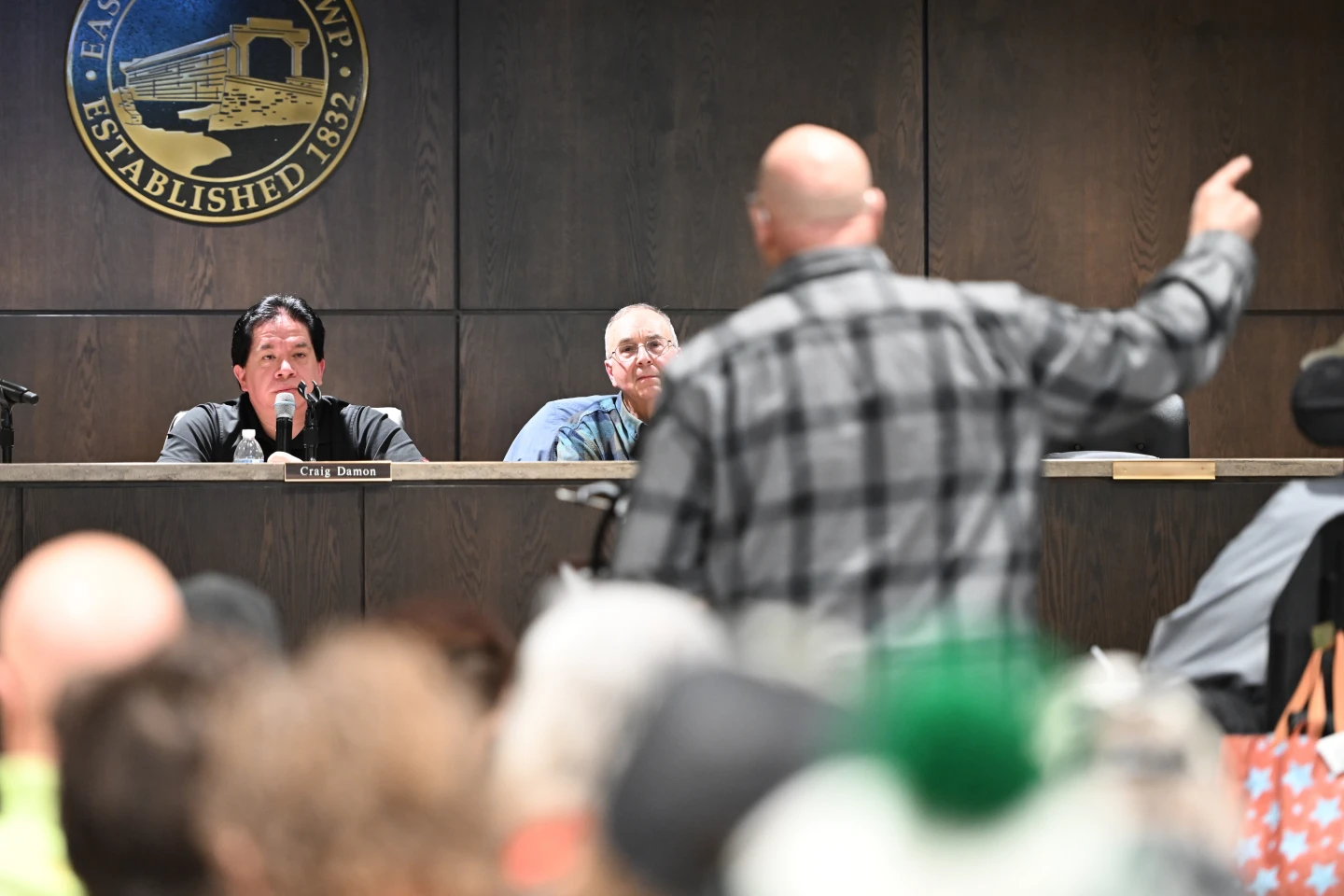
Across the nation, many towns are witnessing heated board meetings as local officials grapple with whether to approve or reject increasing proposals for large-scale data facilities. With significant investments awaiting approval, town meetings have transformed into battlegrounds where residents passionately argue against these projects.
Data Center Watch reports that between April and June, 20 proposals worth a staggering $98 billion were either delayed or blocked due to these local opposing efforts. Environmental groups are stepping up, providing education to communities about how to resist unwanted developments in their areas, highlighting that this local pushback is unprecedented.
This campaign against data center installations comes amidst worries over environmental impacts, increased electric bills, and the preservation of rural areas. High-profile companies such as Microsoft and Google are facing heightened scrutiny as they encounter pushback from citizens who are increasingly informed and organized. Even with state support, developers are reconsidering their strategies, recognizing that community acceptance is paramount for their projects' success.
In Charlotte, North Carolina, opposition was so strong that a proposed project intended to fund a significant portion of the city’s budget was withdrawn before it could come to a vote. Residents across various states are mobilizing through social media to share information and strategies to oppose these developments, raising questions about the future of data centers in the U.S.