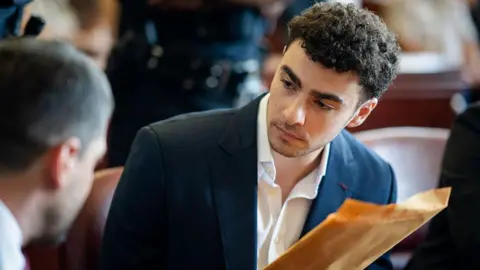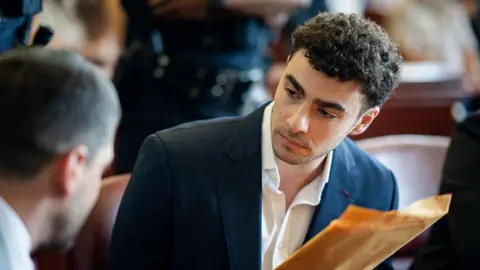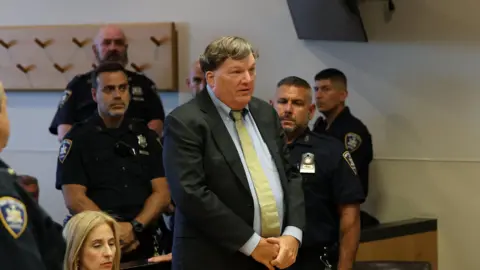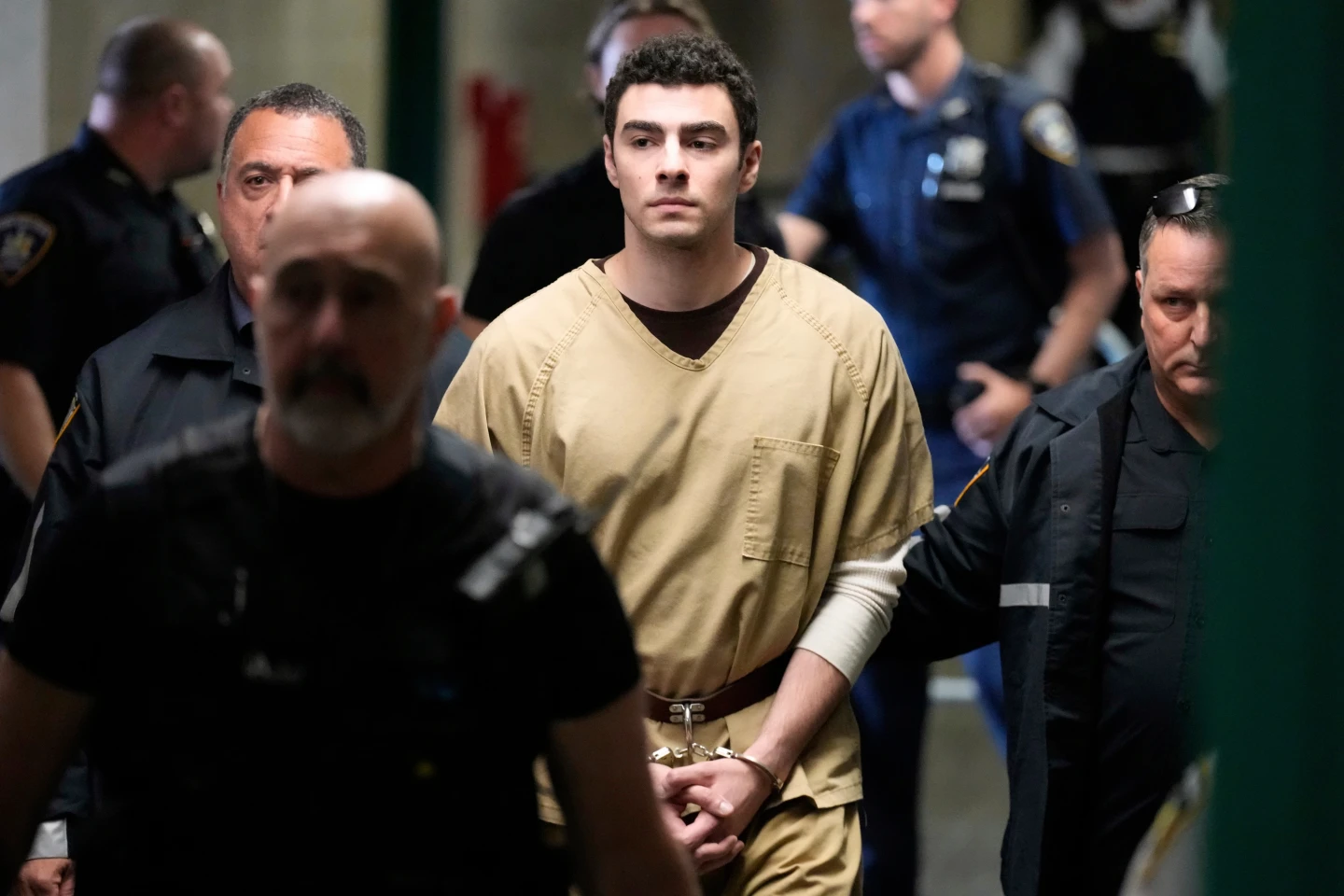
NEW YORK (AP) — A judge on Wednesday granted Luigi Mangione only a slight delay of his federal trial in the killing of UnitedHealthcare CEO Brian Thompson, moving it from September to October instead of next year, as his lawyers had wanted.
U.S. District Judge Margaret Garnett tied her decision to the schedule of Mangione’s state murder trial, which is set to begin June 8 and take four to six weeks. She rejected a defense request to postpone the federal case until January or February 2027 so that it could then seek to delay the state case until September.
Mangione’s lawyers argued that back-to-back trials on a compressed timeline would violate his constitutional rights. However, Garnett said their proposal to push the federal case into 2027 doesn’t solve the ongoing scheduling issues by merely pushing them to later dates.
Jury selection in the federal case will begin on Oct. 5 instead of Sept. 8, with opening statements slated for Oct. 26 instead of Oct. 13. The schedule could change again if the state trial is delayed, Garnett mentioned.
Mangione, 27, has pleaded not guilty and faces the possibility of life in prison if convicted in either case. The judge expressed skepticism about the feasibility of delaying the federal trial into 2027 when the state trial is not adjourned.
The ruling leaves little room for Judge Gregory Carro to delay the state trial, which, if held after the federal case, could raise double jeopardy concerns. The state’s protections kick in if a jury has been sworn in prior, like in the current federal case.
Thompson, 50, was shot and killed on December 4, 2024, as he walked to a hotel in Manhattan for UnitedHealth Group's conference. Surveillance footage captured a masked gunman attacking him from behind; authorities noted ominous words on the ammunition, echoing criticisms of how insurers process claims.
Mangione, a University of Pennsylvania graduate from a wealthy Maryland family, was arrested shortly afterward while dining at a McDonald's in Pennsylvania. His attorneys claim that the manner of his arrest flaunted prejudicial tactics, while the prosecution has outlined serious charges including stalking that could carry substantial penalties.