In brief
The Democratic Republic of Congo is battling a new Ebola outbreak that WHO says could become the deadliest since the 2014–16 epidemic. With 4,300 confirmed cases and over 2,000 deaths reported, the health crisis involves the rarer Bundibugyo strain. Scientists are racing to launch a vaccine trial and test antiviral therapies, while regional instability hampers case‑tracking. WHO hopes to stop the spread in three months but acknowledges the virus outpaces public health efforts.
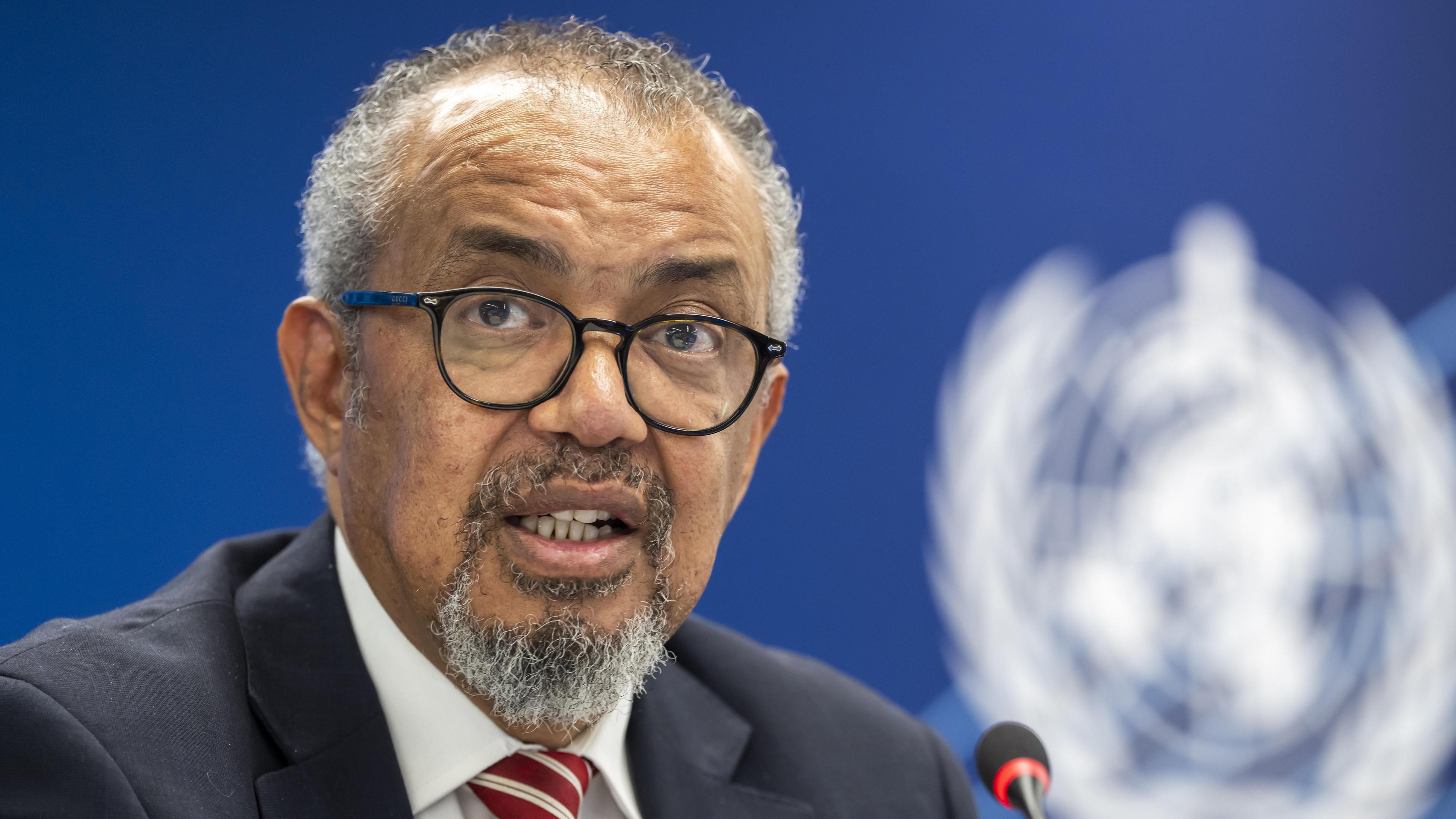
Ebola in Congo could eclipse historic 2014‑16 wave, WHO director Tedros Adhanom Ghebreyesus told reporters on Tuesday. Public health officials say the 2026 outbreak, still in its early hot‑spot in the east of DR Congo, has already reached 4,300 cases and more than 2,000 deaths.
The outbreak began in May, but experts believe the first case emerged in February, and it was often misdiagnosed as malaria or typhoid. The disease is caused by the Bundibugyo strain – a rare form of Ebola that only caused two previous outbreaks in 2007 and 2012.
Because no approved vaccine or drugs exist for Bundibugyo, scientists are racing to test a new shot based on the Oxford‑AstraZeneca technology. Three other groups are also working on vaccine candidates, but none have yet entered clinical trials.
In addition to the vaccine race, WHO is funding a study in the Congo to evaluate whether two existing antiviral therapies can improve survival rates. Meanwhile, local instability keeps health workers from reaching the full 70% of cases.
Ebola can surface in people 2‑21 days after infection. Early symptoms look like flu or malaria – fever, headache, fatigue. If not treated quickly, the disease can progress to vomiting, diarrhoea, and organ failure.
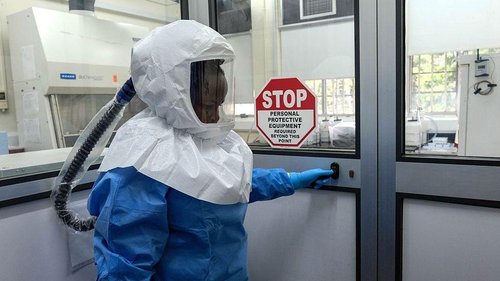
The virus spreads when people come in contact with bodily fluids like blood or vomit. With proper personal protective equipment, healthcare workers can reduce transmission, but the continuing crisis shows how hard it can be to keep everyone safe.
WHO says it aims to stop the spread within three months, but it cautions that this means turning the tide, not wiping the outbreak out entirely. The global community watches closely as scientists and frontline workers push forward.