In brief
Joseph Kabila, who governed Congo from 2001 to 2019, has become the face of the Front for the Refoundation of the Nation, a group that vows to topple the current government by all means, including force. The coalition, based in Goma, draws soldiers from the M23 rebel faction and aims to end what it calls tyranny. Kabila’s new role follows a death sentence in absentia for treason and years of criticism of President Tshisekedi’s administration. The announcement heightens already fragile security conditions in the mineral‑rich eastern region and raises concerns about the future of the country’s fragile peace process.
Ex‑President Kabila Takes Charge of New Rebel Group
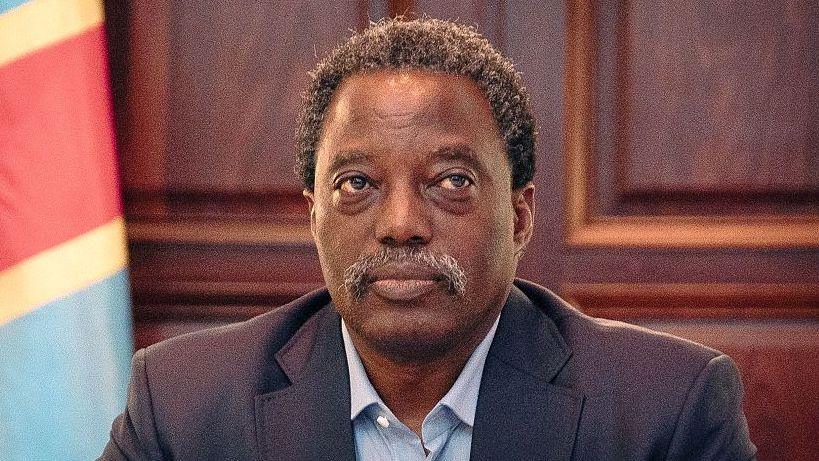
Joseph Kabila, the former president who ruled Congo from 2001 until 2019, has been named the new leader of the Front for the Refoundation of the Nation (FRN). The FRN says it will coordinate resistance forces to end what it calls tyranny and is prepared to use force if needed.
The announcement came a year after Kabila was sentenced to death in absentia for treason. He had avoided headlines for several years, but has become increasingly outspoken against President Félix Tshisekedi and his administration. Kabila holds a press conference at his Goma residence to declare the coalition’s leadership, signing official documents alongside other commanders.
The FRN’s leadership includes the M23 commander Sultani Makenga as one of Kabila’s four deputies, and the other three deputies come from the AFC‑M23 alliance that seized large parts of eastern Congo last year. The group claims it will fight for a “tyranny‑free” Congo even if it means armed struggle.
The Congolese government has not yet commented on the move. Analysts warn that the new coalition could spark further violence in a region already home to more than 100 militia groups, each vying for power and access to valuable minerals. The UN and Western governments accuse Rwanda of backing the M23, a claim Rwanda denies.
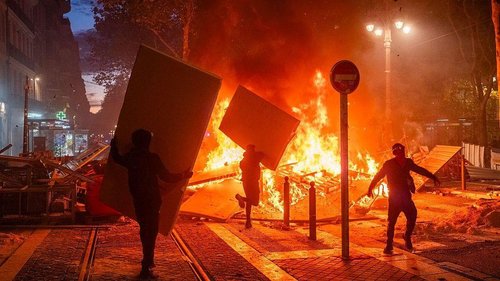
The political landscape in Congo is already uncertain. President Tshisekedi’s second term ends in 2028, and upcoming elections may be postponed due to continuing conflict. Meanwhile, the parliament has passed a bill that could pave the way for a referendum that would remove the two‑term limit. Protests against these proposals have already caused clashes in the capital.