In brief
Following a historic win against Eswatini, seven players from Eritrea's national football squad have reportedly gone missing, joining a pattern where Eritrean athletes often seek asylum abroad. This situation raises alarms, particularly amidst the nation's oppressive political climate, as many players fear returning home.
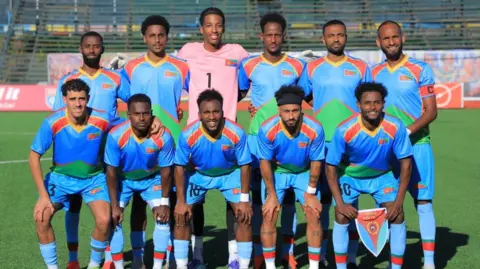
Seven players from the Eritrean football squad that scored a historic victory in Eswatini last week have failed to return home, a source close to the team has told the BBC. While some of their teammates flew back from Eswatini's neighbor, South Africa, the seven are said to have absconded. There have been several cases when Eritreans competing in various sports have not gone home after international fixtures in recent years. Rights groups have described the government in Asmara as highly repressive - a charge which the authorities reject. Despite its small population, hundreds of thousands of Eritreans have sought asylum abroad. The news of the players absconding will come as a blow to the team, which, following its 2-1 win in Eswatini and 4-1 victory on aggregate, was celebrating a return to the qualifying group stages for the Africa Cup of Nations for the first time in 19 years. Only 10 of the 24-man squad were based in Eritrea, and just three of those players, including team captain Ablelom Teklezghi, have now returned, sources in Asmara told BBC Tigrinya. While it is unclear where the missing players have gone, reports say some of them have been seen in South Africa. Those who have absconded include goalkeeper Kubrom Solomon and veteran winger Medhanie Redie. Eritrea's state-owned media outlets have been unusually quiet on the victorious team's return, which would normally be accompanied by a big fanfare. Sources say preparations were made for a similar reception but were cancelled following news of the disappearance of the players. Many Eritrean fans had been hoping this victory would lead to a renaissance of Eritrean football, but the latest news resonates with a familiar ring. Over the last two decades, the national team has been scarred by events where players have disappeared before or after games abroad, with numerous incidents of players seeking asylum. In 2019, seven players from the Eritrean under-20 side went missing after competing in Uganda. Previous instances include 10 senior squad players refusing to return after a World Cup qualifier in 2015 and 15 players and the team doctor granted asylum in Uganda two years earlier.