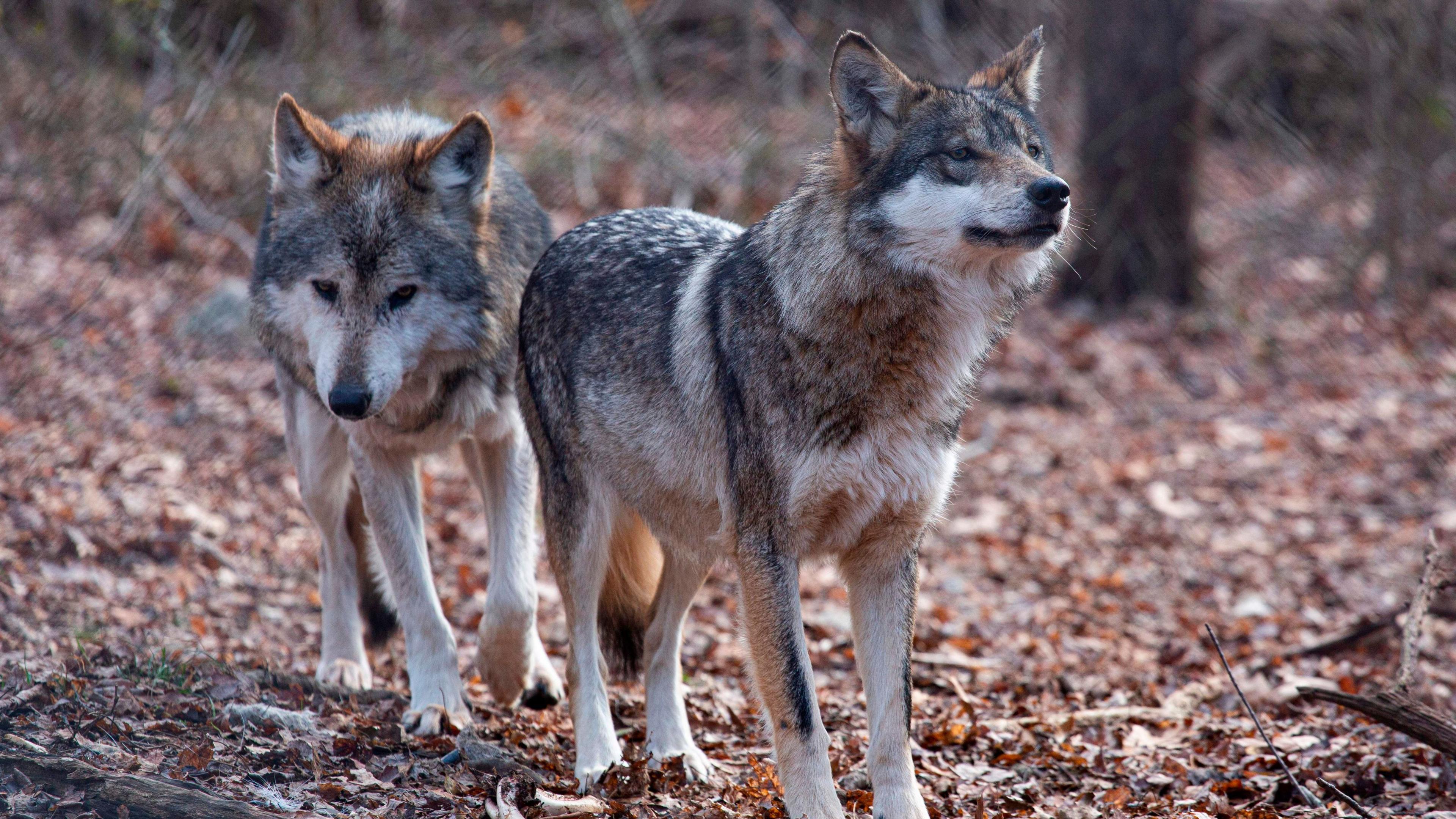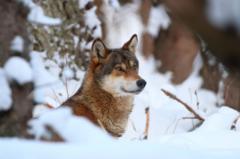
In Romania's Carpathian mountains, farmers like shepherd József Rácz anxiously await the European Commission's decision this week, which could end 45 years of strict protections for grey wolves in Europe. Rácz, who tends to 500 ewes, faces challenges from predators like wolves and bears, losing five or six sheep annually despite keeping 17 protective dogs.
The proposal aims to shift wolves from Annex II (strictly protected) to Annex III (protected) under the Bern Convention, permitting each EU country to establish annual culling quotas. The Commission cites the nearly doubled wolf population, from 11,000 in 2012 to over 20,000 today, causing damage to livestock.
However, wildlife advocates suggest better protective methods, like trained sheepdogs, rather than lifting wolf safeguards. They argue that wolves play a vital role in controlling deer and wild boar populations, which can harm crops and trees, and add that wolves contribute to suppressing diseases by preying on sick animals.
A recent meeting of wildlife experts revealed a general opposition to hunting wolves and bears. Biologist Michal Haring noted that wolves help curb the spread of African swine fever, emphasizing the challenges wolves face when their packs fragment due to hunting.
Despite claims that wolves kill only a small percentage of livestock annually and pose minimal threat to humans, farmers like Rácz express concerns about the growing wolf population. Last year, Rácz’s beloved dog was killed in daylight by wolves, highlighting the dangers they pose to livestock.
As the EU grapples with this contentious issue, experts and farmers alike continue to weigh the ecological importance of wolves against the livelihood challenges they present. With increasing deer and wild boar populations, the conditions for wolf expansion seem ripe in many regions, leading to calls for careful evaluation of wildlife management strategies in Europe.