A devastating fire has ripped through several high-rise tower blocks in Hong Kong, killing at least 13 people and injuring 15 more. There are reports of missing people, and thousands have been evacuated to nearby shelters.
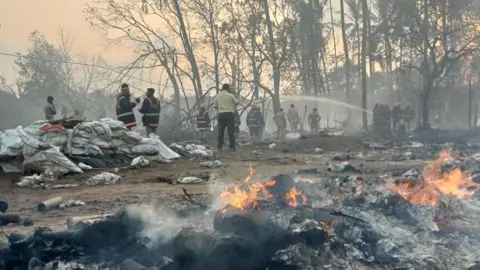
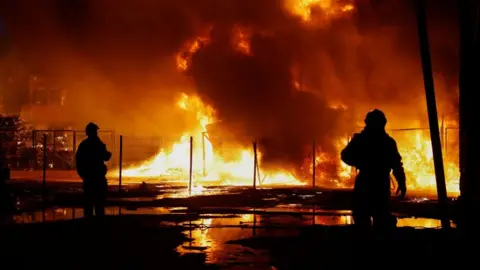
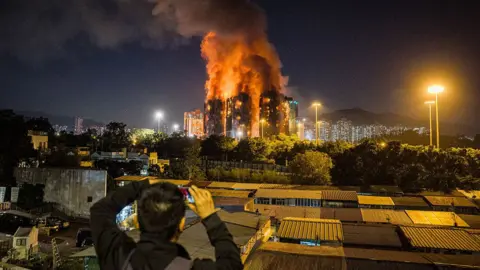
Pictures show several buildings ablaze, and thick smoke billowing into the air, dominating Hong Kong's skyline. As night fell, the fire was still burning hours after it was first reported, with 767 firefighters deployed to the scene.
What caused the blaze is still unclear, but here is what we do know, so far.
Where and When Did the Fire Start?
The blaze broke out at Wang Fuk Court, a large housing complex in Hong Kong's Tai Po district, at 14:51 local time on Wednesday (06:51 GMT). Wang Fuk Court consists of eight tower blocks, each 31 stories high, with seven affected by the fire.
Built in 1983, the tower blocks were undergoing renovations, covered in bamboo scaffolding and construction netting, which helped the fire spread quickly.
How Serious is the Fire?
The Hong Kong fire department classified the blaze as a level five alarm—the highest in severity. Reports of explosions could be heard, hampering firefighters' access to the higher levels and rescues. There are strong fears that the fire may continue throughout the night.
Victims of the Fire
Initially, four fatalities were reported, but the number quickly rose to 13, with several others still unaccounted for. Among the deceased is a firefighter who collapsed while battling the blaze. Search and rescue efforts ongoing as police help residents locate missing family members.
Emergency Services Response
Emergency shelters are now accommodating evacuees, while an emergency hotline has been established for inquiries about casualties. The affected area has seen mass evacuations, with local schools remaining closed.
Questions About Bamboo Scaffolding
Utilized for centuries, bamboo scaffolding has become an iconic part of Hong Kong construction but raises safety concerns. Investigations continue into how the scaffold may have contributed to the fire's rapid spread.