Firestorm in the West Bank: Settlers Set Mosques Ablaze
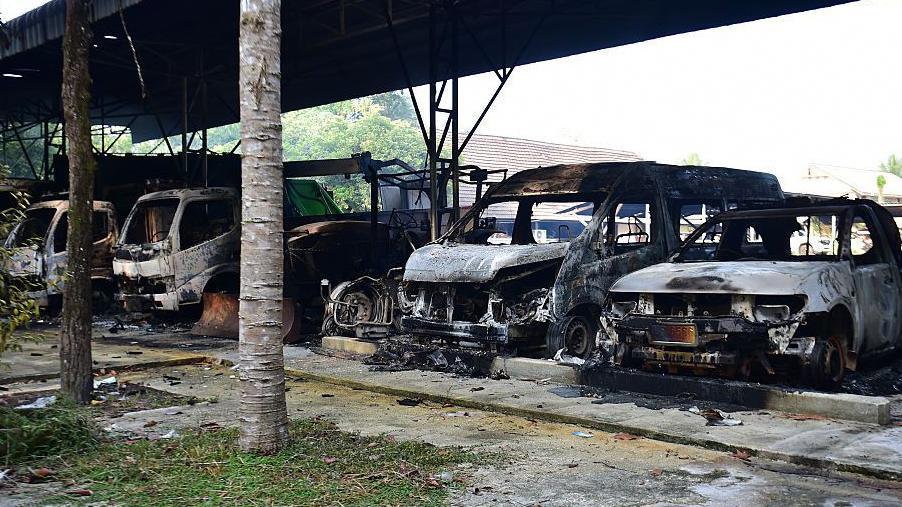
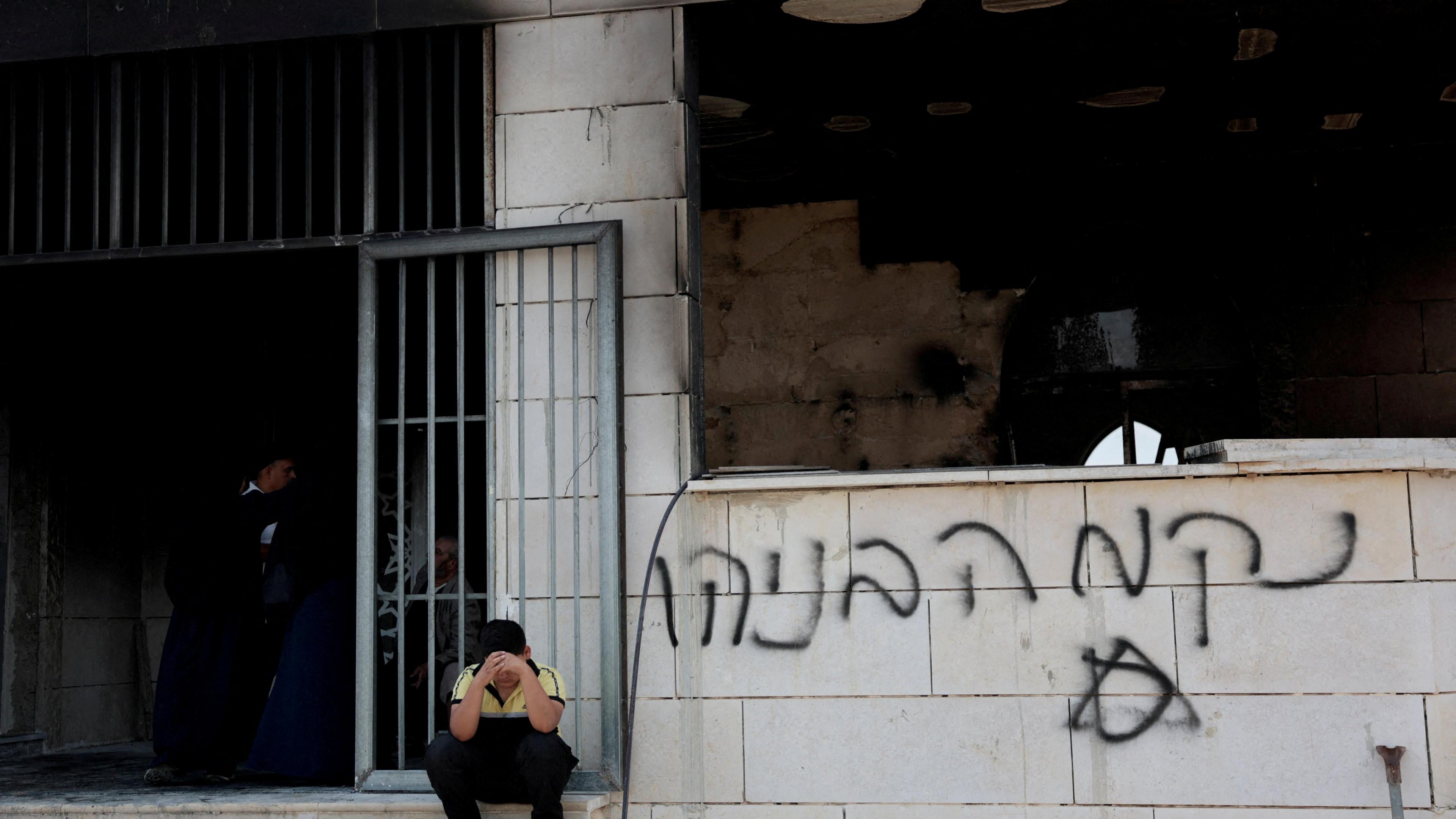
In a brutal act that has reignited old wounds, Israeli settlers torch two mosques, set cars ablaze and scorch farm land across the West Bank. Palestinian officials and residents recount flashes of gunfire, graffiti and hatred in unreported attacks in the final week of July.
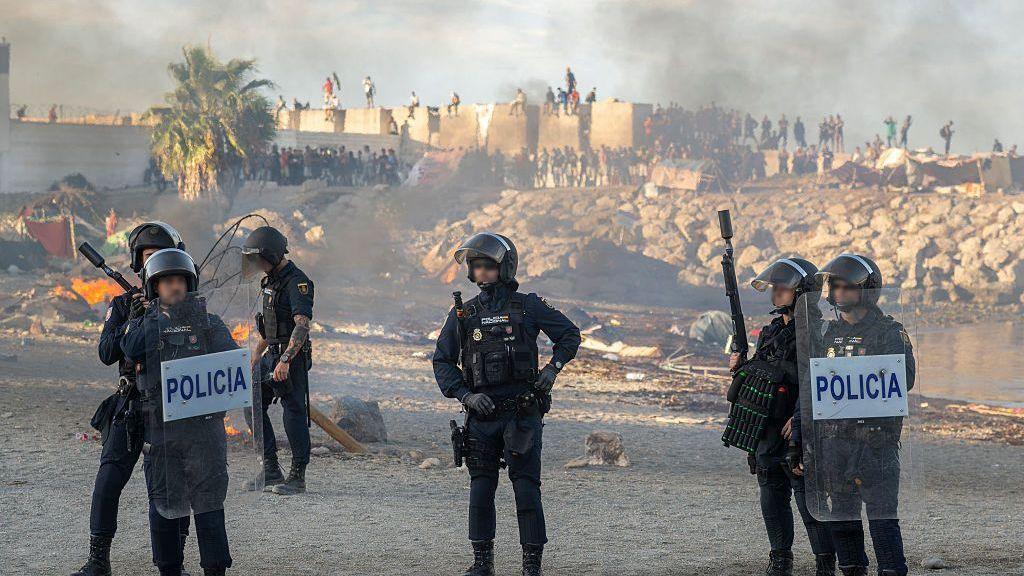
The destruction follows a brutal clash in the village of Tal that left four Palestinians and two Israelis dead. Allegations surface as each side blames the other for provoking the violence, while the Israeli military reports deploying troops to Qusra and pledges a counter‑terrorism sweep that has, so far, detained over 130 people.
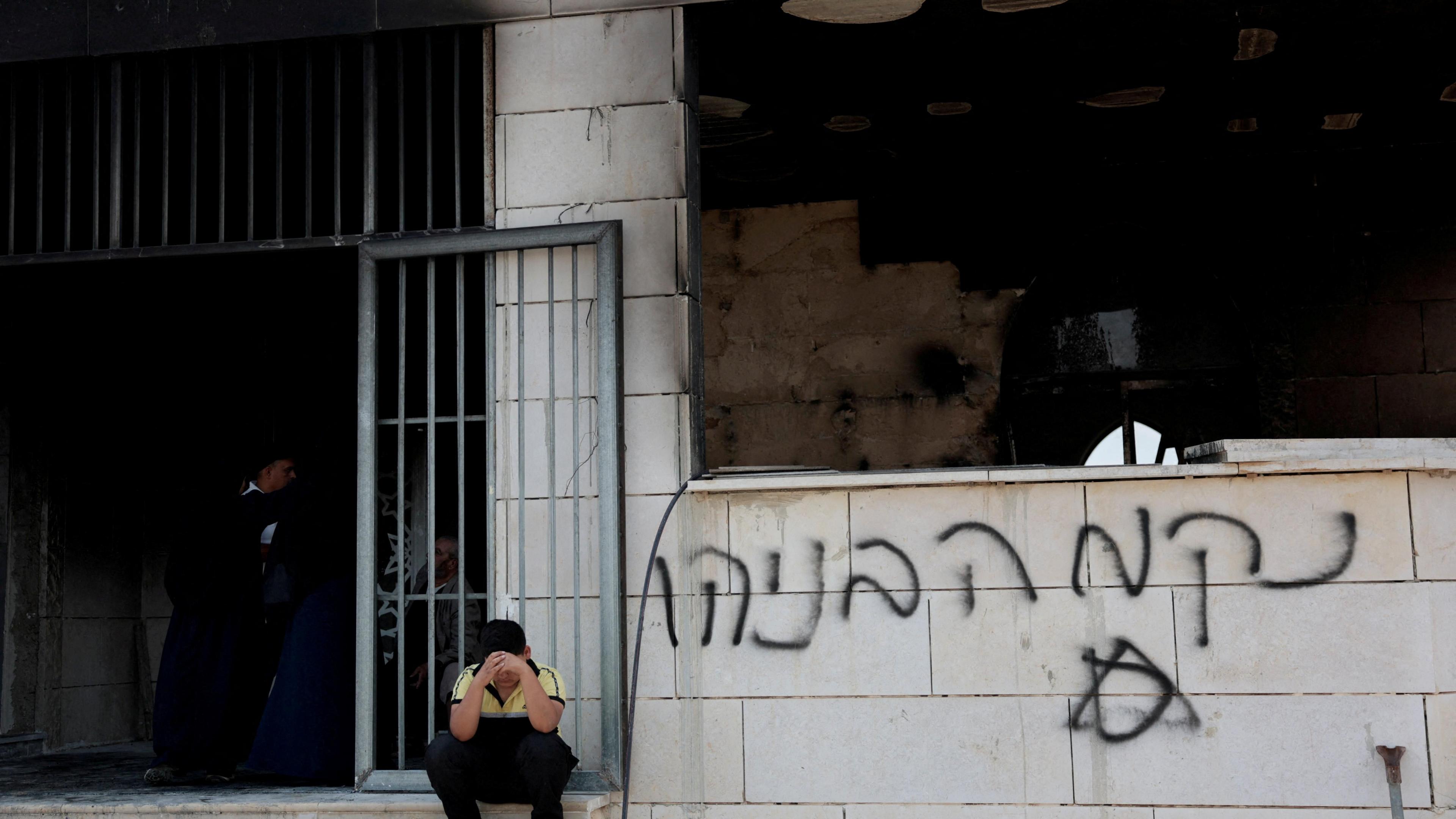
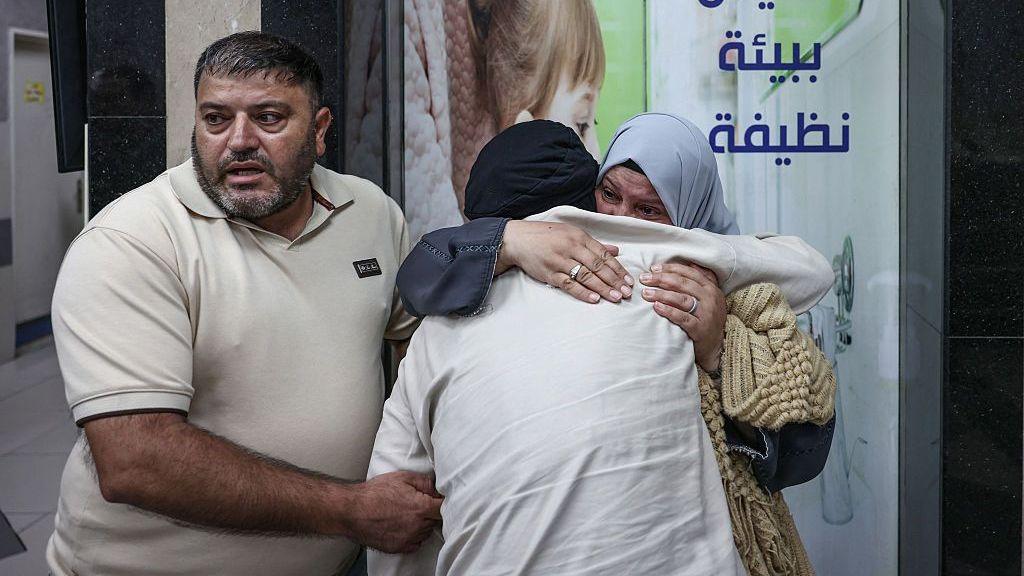
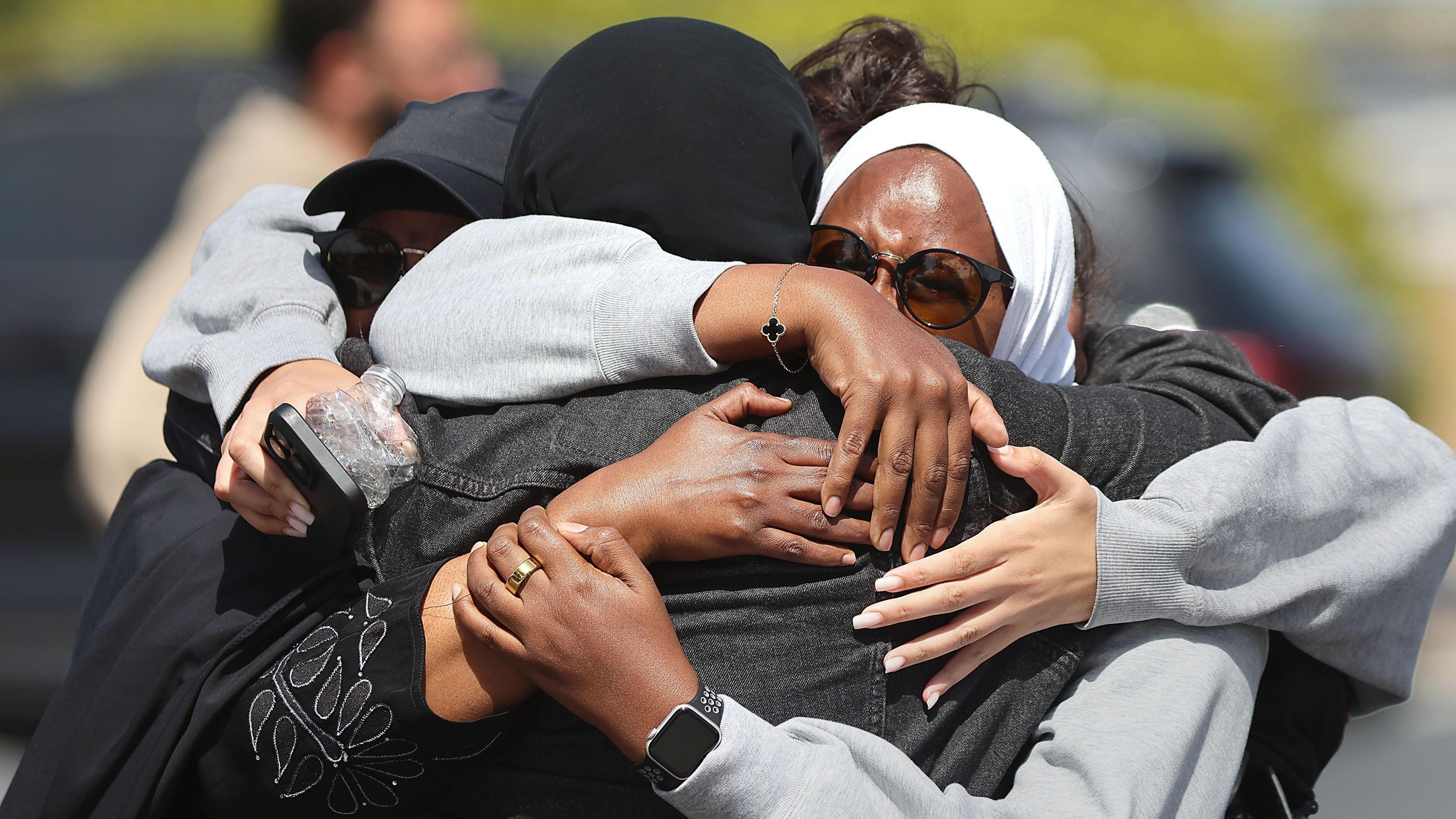
Local residents recount severed homes and incendiary graffiti. In Qusra, a mosque under construction burned, with “revenge” spray‑painted across its walls by masked settlers. In Kour, a mosque was targeted overnight with slogans flamed across its façade. Families describe a terrifying flight from their homes as stones were hurled at them.
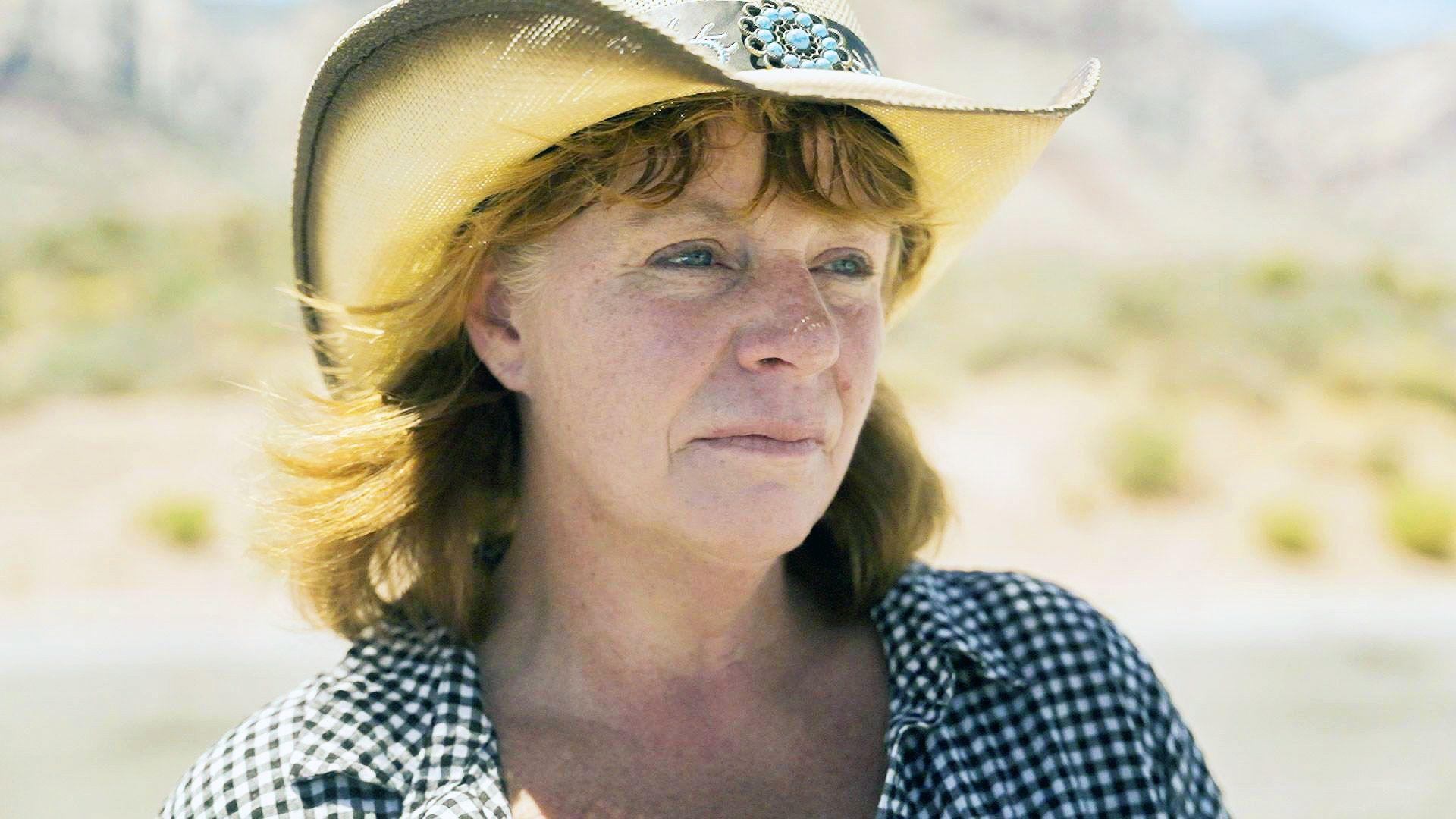
“We tried to stay and protect our homes, but choosing between a burning house and our children was a hard reality,” says Hanan Turabi.
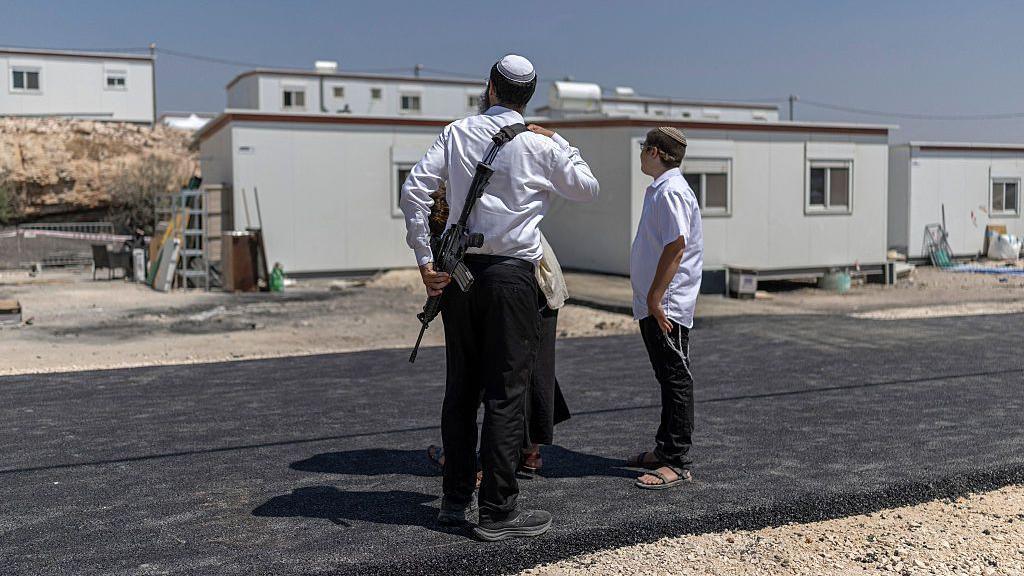
The Gaza conflict has hijacked discourse, but experts say settler violence has been a persistent flashpoint. The UN reports 1,114 Palestinians killed in West Bank since the Gaza war, with at least 35 deaths attributed to settler attacks. Meanwhile, 41 Israelis have fallen to Palestinian militants or during operations. Israel’s foothold extends across almost three‑quarters of the West Bank, with 700,000 Jews living on 2,350 square kilometres of what many deem illegal territory.
Prime Minister Benjamin Netanyahu vows “powerful action” that could include demolishing the homes of those allegedly involved. The rise in extremism appears to be fueled by an unchecked expansion of outposts that have become hotbeds for harassment. The violence’s root may lie in grassroots far‑right ideology, cultivated by government actors who now call for a “counter‑terrorism” operation to eliminate nationalistic crime.
As the conflict’s relentless cycle damns families and perpetuates shattered communities, the West Bank’s skies and ground floor tell a story of burning walls and shattered hope. Discover more about the broader war that shapes this region in our in‑depth coverage.