In brief
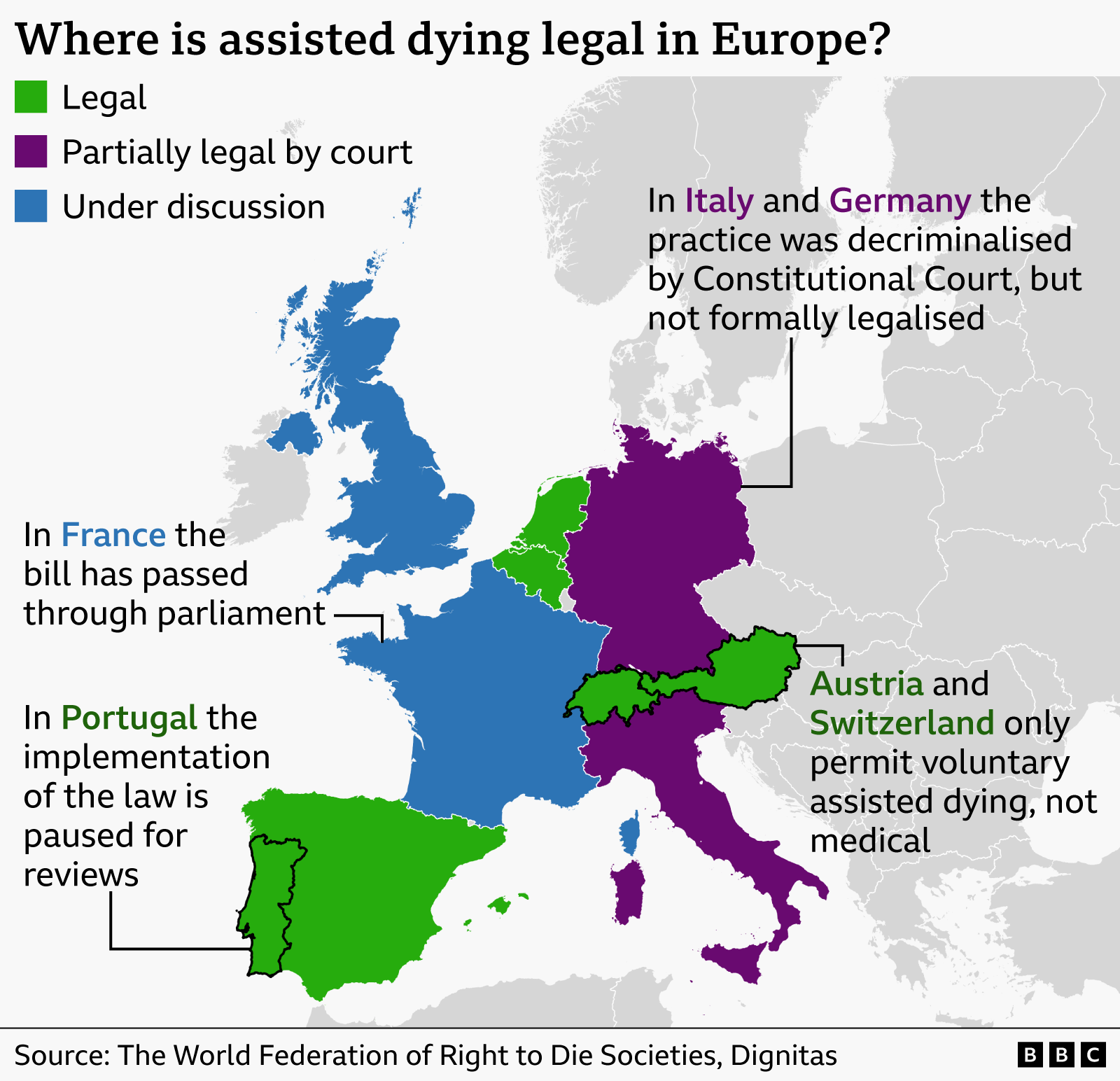
France’s National Assembly voted 291‑241 to legalise assisted dying for adults with a serious, incurable illness, after three defeats in the Senate. The bill requires a patient’s free wish, a 15‑day doctor review, a two‑day reflection period and a self‑administered lethal dose, with medical aid if needed. The Prime Minister will submit key sections to the Constitutional Council before the law takes effect, positioning France alongside the Netherlands, Belgium and Switzerland. Opinion polls show strong public support for giving terminally ill people a choice between palliative care and assisted dying, though it remains divisive among church and medical groups. The approval could prompt wider European reforms, with other countries reviewing their own end‑of‑life policies.
France's National Assembly has voted 291 to 241 to legalise assisted dying for adults suffering from a serious and incurable illness, after three setbacks in the Senate.
The bill permits patients to manifest their wish to a doctor, who has 15 days to review the case, then a two‑day reflection period before the patient self‑administers a lethal dose, or a medical professional if impossible.
Prime Minister Sébastien Lecornu will send parts of the law to the Constitutional Council for review before the measure becomes effective. The move places France alongside the Netherlands, Belgium and Switzerland, where assisted dying has long been criminalised.
Opinion polls indicate a large majority of French citizens back giving terminally ill people an optional choice of palliative care or assisted death, yet the decision remains politically divisive, with the Catholic Church and some doctors opposing the bill.
Other European countries are also debating similar legislation, and the bill’s approval could inspire a broader shift in end‑of‑life policy across the continent.