In brief
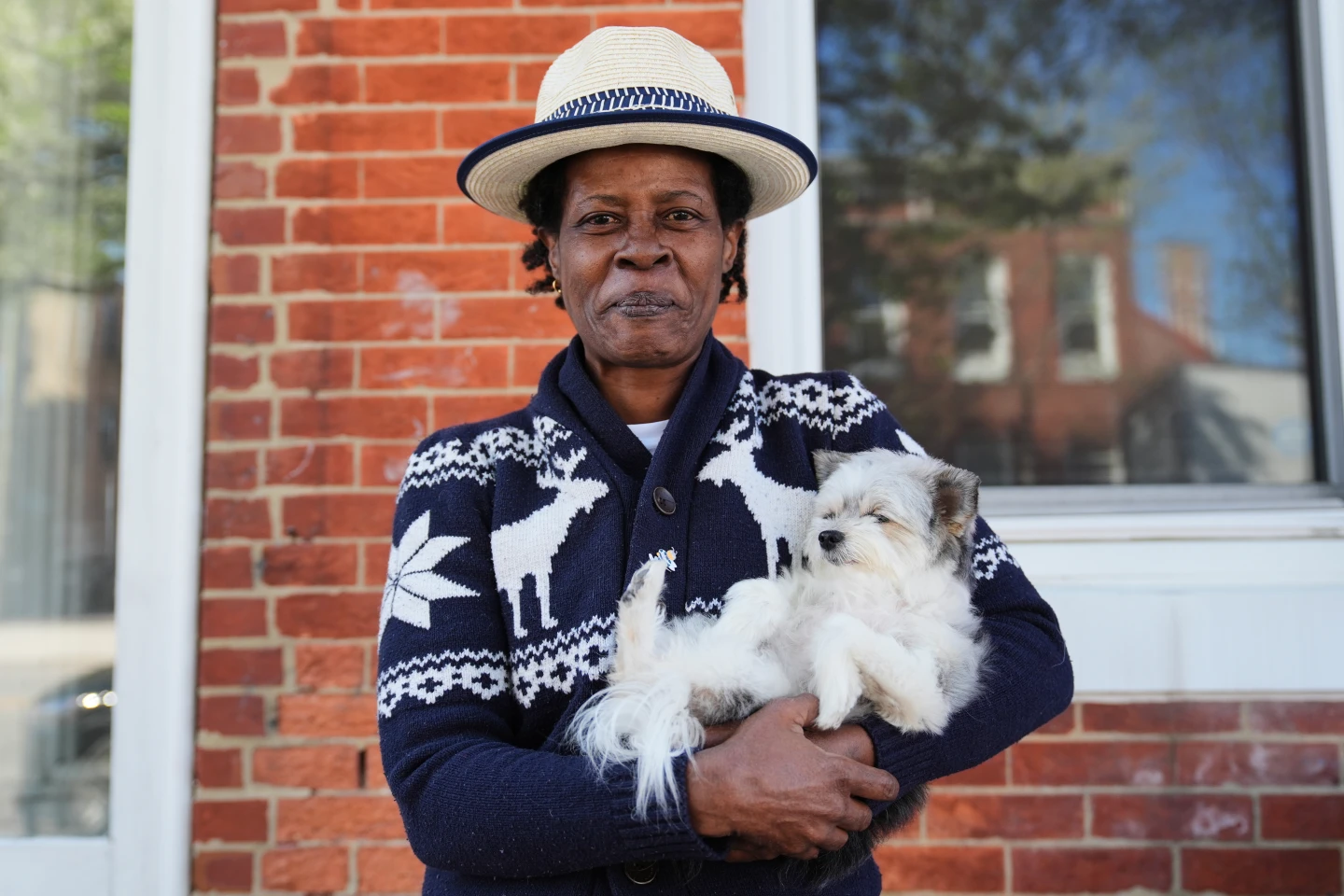
After facing personal challenges, like family loss and eviction, Jevona Anderson dropped out of college, joining millions of 'stopouts' in the U.S. However, increased support from universities has led to a rise in students returning to complete their degrees. Anderson's story showcases how scholarships and dedicated programs are crucial for helping students manage life while pursuing their higher education goals.
Challenges of Higher Education
The path to a college degree can be rocky. Life events such as loss, eviction, and work-life balance often force students to temporarily leave their studies. Jevona Anderson is one among 38 million working-age adults in the U.S. who have paused their college journey, often without finishing their degrees. While many intend to return, the actual rate of re-enrollment remains low.
Recent data shows a hopeful trend: Over one million stopouts reenrolled during the 2023-2024 academic year, a rise from the previous year. Many institutions have improved support systems to aid these students, providing scholarships and resources that help them successfully return to their studies.
The Role of Scholarships
For Anderson, finding a scholarship was crucial. After years of juggling her academic goals with personal struggles, she found the financial assistance to return to the University of Baltimore. She aims not only to graduate but to inspire the next generation about environmental sustainability, a passion ignited during her time substitute teaching.
States Fighting for Stopouts
Across the country, states are implementing programs specifically aimed at helping stopouts return to school. Initiatives like providing financial aid and reducing bureaucratic barriers are proving effective. For instance, Maryland saw over 25,000 students return this academic year alone, reflecting a small but significant increase in engagement.
Investing in Futures
It often takes multiple contacts for colleges to successfully re-engage stopouts. Institutions investing time and resources into personalized outreach have found that many just need a bit of encouragement to return, making the pursuit of higher education feel more accessible.
Ultimately, Anderson feels a deep connection to her mission: This degree is not just for me; it’s for the kids I hope to inspire. I’m determined to make a difference. Her story is one of resilience, reminding us of the importance of supporting one another on this educational journey.