In brief
Las Vegas buffets, which began 80 years ago with the affordable Buckaroo Buffet, are now mostly gone, replaced by pricey celebrity chef restaurants and trendy food halls. With only about a dozen buffets remaining, the culinary landscape of Las Vegas has shifted dramatically, and many visitors long for the casual, budget-friendly buffet experience of the past.
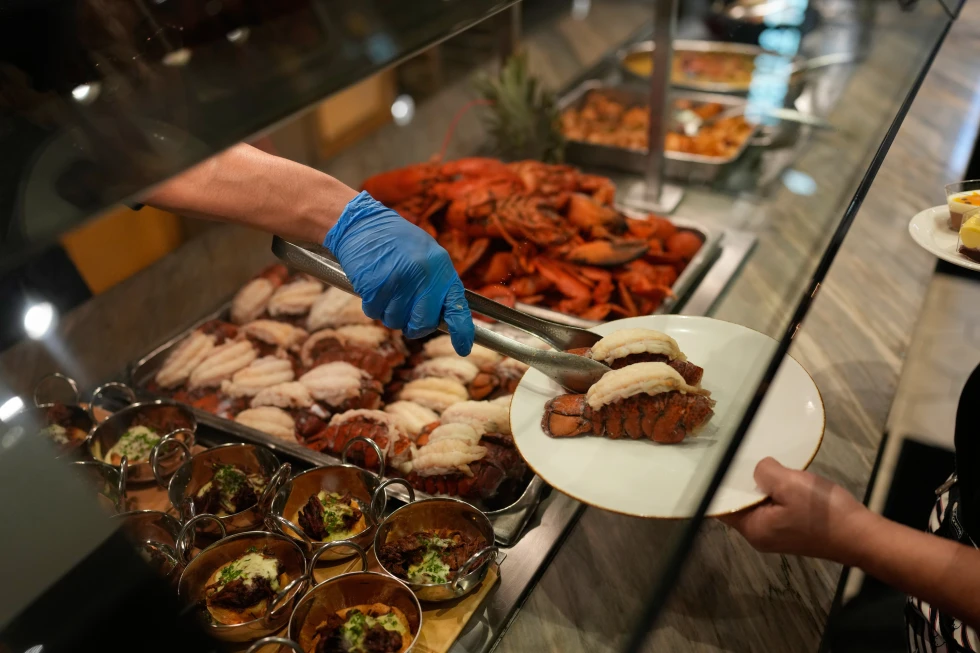
Las Vegas buffets have undergone a major transformation over the last 80 years, moving from the inexpensive Buckaroo Buffet offering cold cuts for just $1 to lavish buffets charging up to $175. This shift reflects the changing culinary scene and distinct dining preferences in Las Vegas.
Historically, buffets were a quick and affordable dining option that allowed visitors to enjoy a variety of dishes, leaving plenty of time and cash for fun on the casino floor. However, the pandemic resulted in closures and many buffets chose not to reopen due to rising costs, dwindling the number left on the Strip to just around a dozen.
Once lauded as the largest in the city, the Carnival World Buffet at Rio is now gone, replaced by a trendy food hall, while establishments like ARIA's buffet and the Luxor’s Egypt-themed buffet have also shut their doors for good.
Now, food halls and upscale restaurants dominate, creating a more gourmet atmosphere, catering to a tourism market that craves higher quality dining. Long-time visitors lament the decline of nostalgic buffets, reminiscent of simpler, budget-friendly meals.
Despite the glamorous dining scene, many still hold a fondness for traditional buffets, which allowed diners to feast on all-you-can-eat offerings without breaking the bank. While buffets have evolved into attractions themselves—replete with entertainment and lavish displays of food—the debate continues on whether the city has moved too far away from its affordable roots.
Al Mancini, a food journalist, insists that although buffets have changed, they will always remain an integral part of the Las Vegas experience, continuously adapting to the ever-evolving culinary landscape.