In brief
In response to increased fuel prices driven by geopolitical tensions, Slovenia has introduced fuel rationing, limiting private motorists to 50 liters per day. With cross-border ‘fuel tourism’ from Austria, local officials are aiming to lessen the impact on their citizens while ensuring sufficient supply.
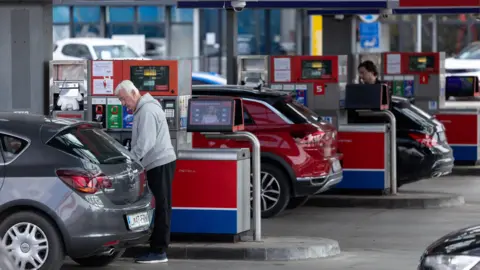
Slovenia has become the first EU member state to implement fuel rationing to tackle disruptions caused by the US-Israeli strikes on Iran and its retaliation on their allies in the Gulf - most major players in world energy markets. As many nations witness steep hikes in fuel prices, Slovenia has seen a surge of 'fuel tourism' from drivers in neighboring countries like Austria, drawn by lower regulated prices. Under the new measures, private motorists in Slovenia are limited to purchasing 50 liters of fuel per day, while businesses and farmers can buy up to 200 liters. Prime Minister Robert Golob reassured citizens about fuel availability, stating that storage facilities are full and there should be no shortages. The implementation of these restrictions is primarily the responsibility of petrol stations, as employees will monitor customer purchases to enforce these limits. Stricter limits for foreign drivers could also be on the horizon, as the price disparity between Slovenia and Austria remains significant. With petrol currently priced at €1.47 per liter in Slovenia compared to nearly €1.80 in Austria, many continue to make the journey for cheaper fuel. While some locals express concerns about fuel shortages, others see economic benefits from the influx of fuel tourists, as they contribute to local businesses by dining and shopping during their visits. The ongoing situation highlights the realities of regional fuel economics and consumer behaviors.