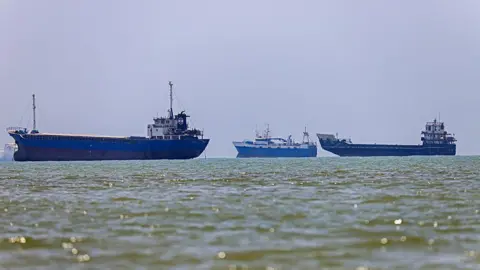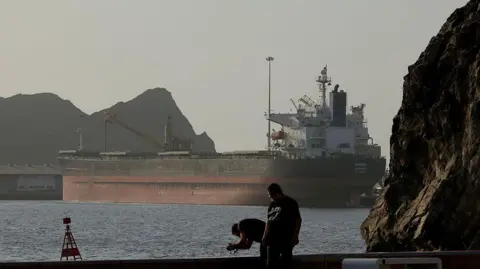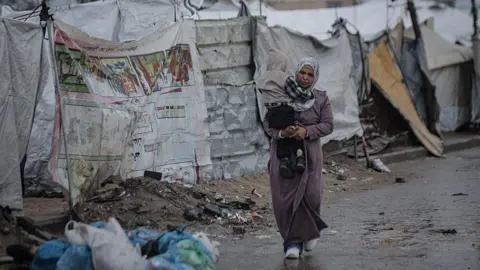
Nearly six months after a fragile ceasefire came into effect in Gaza, residents continue to endure hardships as supply shortages and price hikes overwhelm the market. Merchants claim that disruptions from ongoing conflicts in the region, particularly related to Iran, have worsened the situation, making access to goods even more difficult.
Amid rising concerns, local shopper Hassan Faqawi expressed frustration: What does the war between Iran and Israel have to do with us? Prices have doubled here. Goods aren't coming in like before. This sentiment echoes the feelings of many Gazans who fear being forgotten on the global stage.
In recent discussions at the UN Security Council, plans were outlined for Palestinian armed groups to decommission their weapons, linking compliance to reconstruction efforts. However, reports indicate that Hamas is likely to reject these proposals, which poses a risk of a renewed military offensive.
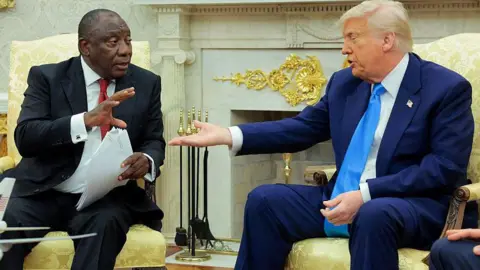
Despite the promises of the Trump administration’s peace plan, which included aid for Gaza, major reconstruction efforts have stalled due to Israel's restrictions over potential use of materials by Hamas.
Heavy rains exacerbated the situation, causing sewer systems to collapse in crowded tent camps. Humanitarian agencies stress the need for extensive aid beyond what is currently being provided, stating that daily life remains a struggle for survival.
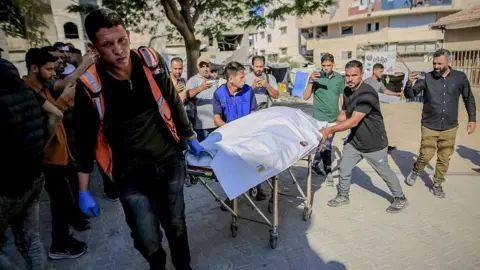
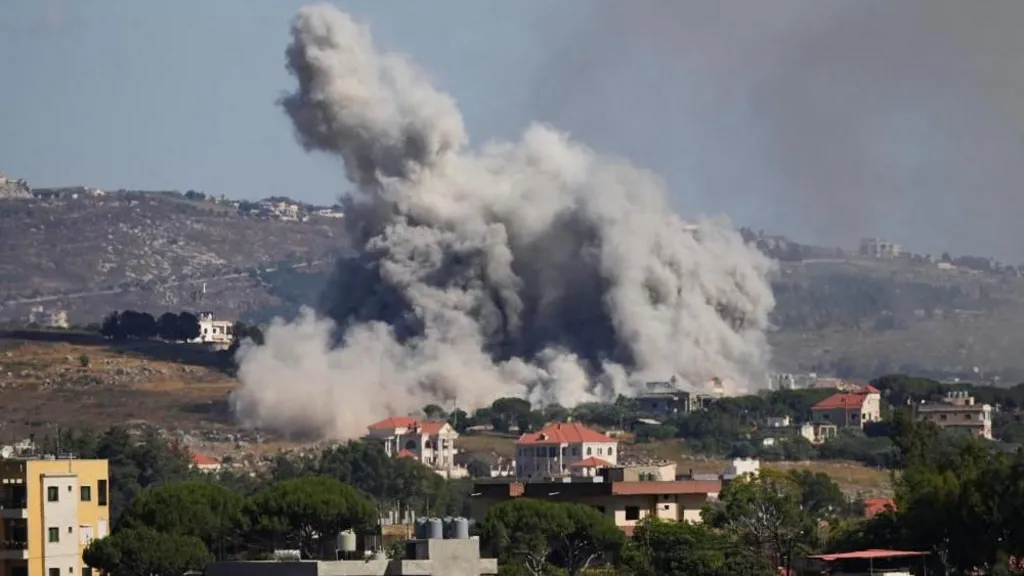
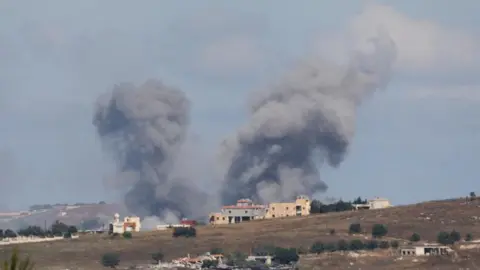
Despite the creation of a new technocratic committee to govern Gaza, Hamas has reportedly reasserted its control, creating checkpoints and imposing new taxes, further burdening the population. Gazans have shared concerns about the continuous airstrikes from Israel, which have reportedly resulted in civilian casualties, including children.
As international focus drifts towards Iran, many Gazans remain skeptical about the future and the effectiveness of peace initiatives, fearing that peace may be unattainable while their struggles persist.