In brief
Georgia’s ongoing protests have spurred a significant movement demanding EU membership as a response to authoritarian measures by the government. Despite increased police crackdowns and harsh fines for demonstrators, the movement persists with hundreds gathering nightly in Tbilisi. Protesters criticize the government for ties to Russia and assert their rights to democratic freedoms. Activist voices highlight the urgency of their cause, linking Georgia's aspirations to historical aspirations of freedom and European integration. The social climate remains tense as political prisoners and increasing governmental control challenge the protesters' resolve.
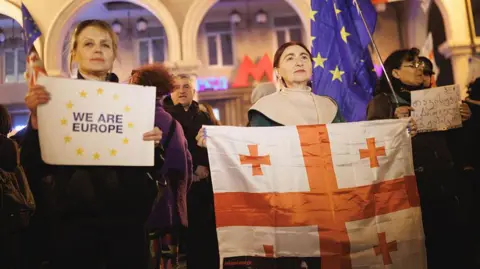
I'm standing for the future of this country, says Giorgi Arabuli, who has participated in daily protests in Tbilisi since the movement began a year ago. These demonstrations were ignited following the Georgian government’s decision to pause the EU accession process, with anger peaking after Prime Minister Irakli Kobakhidze announced a four-year hiatus on November 28, 2024.
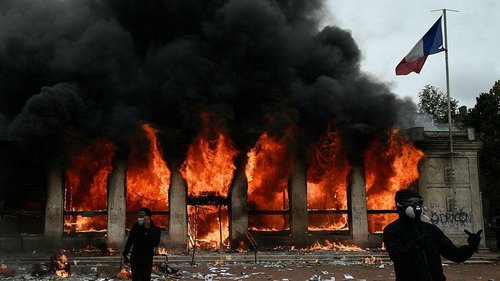
In the wake of this announcement, mass protests erupted, often met with violent police crackdowns. Protesters accuse the government of dismantling democracy, prompting widespread concerns about the return of Russian influence in the nation.
Giorgi reflects, I’ve lived through the dark times post-civil war. We don’t want to go back to that. Since the protests began, Tbilisi's Rustaveli Avenue has seen nightly gatherings, even as protest tactics adapt to evade increasing police presence and stringent laws that threaten severe penalties for dissent.
The Georgian Dream government has introduced hefty fines and criminal charges for demonstrators, leading to a chilling effect on public assembly. Recent laws allow for imprisonment for blocking traffic during protests. Despite these obstacles, activists carry large banners demanding freedom for political prisoners and new elections.
This struggle underscores a significant clash between the government's narrative and the public's deep-rooted desires for European integration. As tensions rise, Georgia's commitment to joining the EU—once seen as a near certainty—now faces significant setbacks, according to recent assessments from the EU itself.
Despite dwindling numbers, the protests continue as speakers remind attendees that their fight is about the future and democratic ideals. As teacher Rusudan Lomidze points out, Our fate is tied to Ukraine's. If they capitulate, it would be disastrous for us. The ongoing protests serve as a reminder that the quest for democracy is often fraught with struggle, but that the power of collective ideals can persist through the ages.