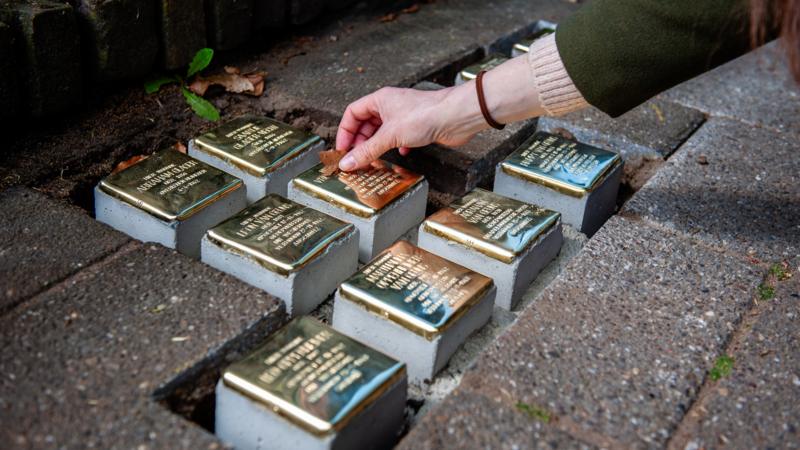
What Happened in Heidenau?
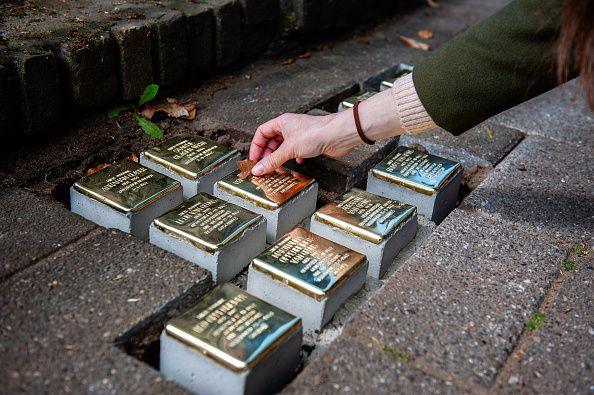
Heidenau, a small town east of Dresden, voted to ban the Stolpersteine – little brass plaques that are laid into the pavement in front of the houses where Jewish victims once lived or worked. The decision came from a coalition of Alternative für Deutschland (AfD) and the Christian Democratic Union (CDU) councillors.
Why the Controversy?
The education minister for Saxony, Karin Prien, called the ban a "scandal", arguing that removing public memorials turns remembrance into a private, cemetery‑only activity. A representative from the Jewish community, Holocaust survivor Charlotte Knobloch, said the move "stomped on the idea of decentralized remembrance."
The Wider Context
Since the 1990s, Stolpersteine have become a familiar sight across Europe, a grassroots way to keep the names of victims close to everyday life. In recent years the AfD’s growing electoral success in eastern German states is seen by many as a threat to Germany’s collective memory. Critics warn that ruling parties that side with the AfD risk erasing public space from the Holocaust’s history.
Photo: Stumbling stones placed in a Dutch neighbourhood – Getty Images