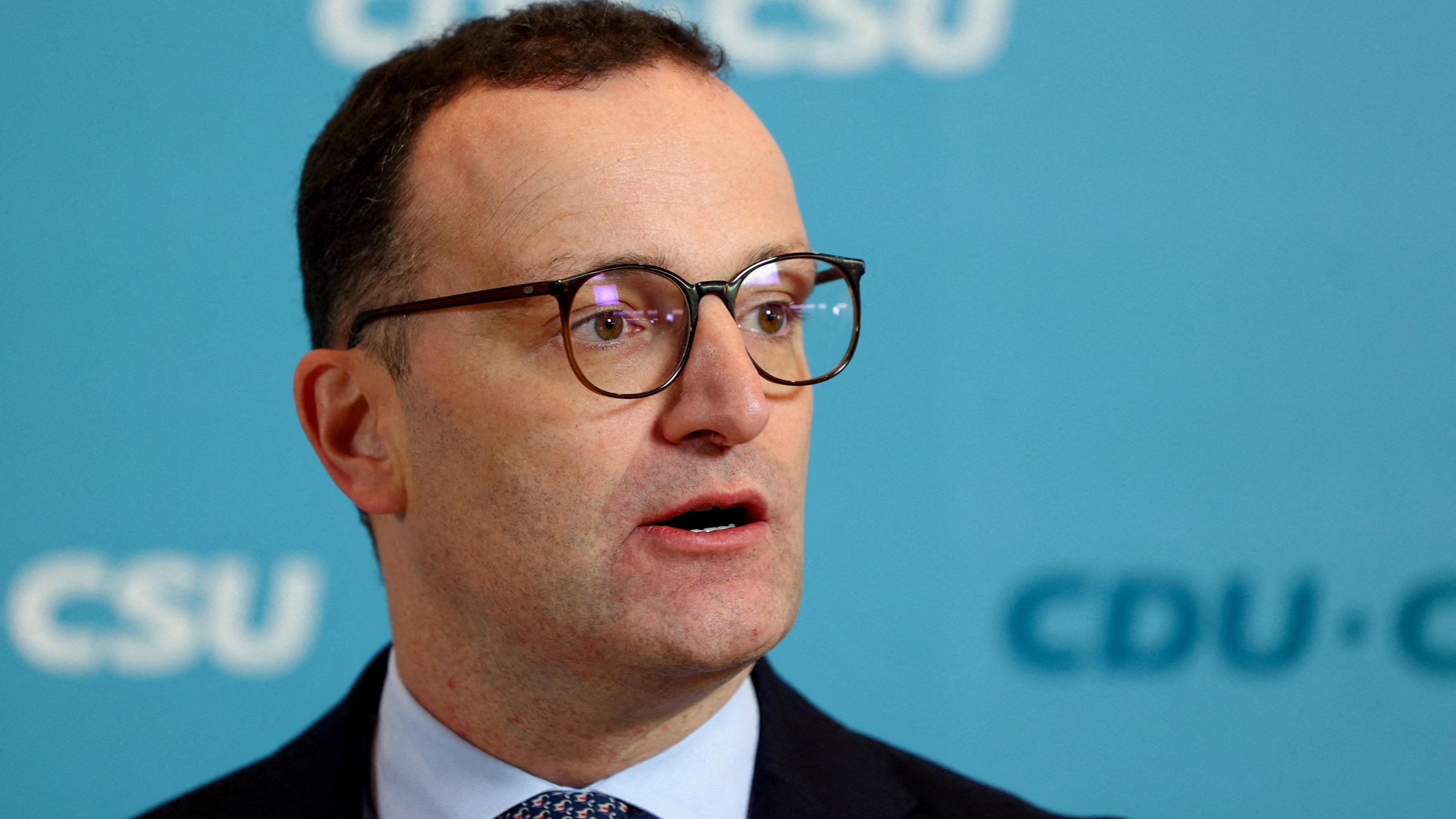
German Politician Resigns After Surrogate Baby Sparks Controversy
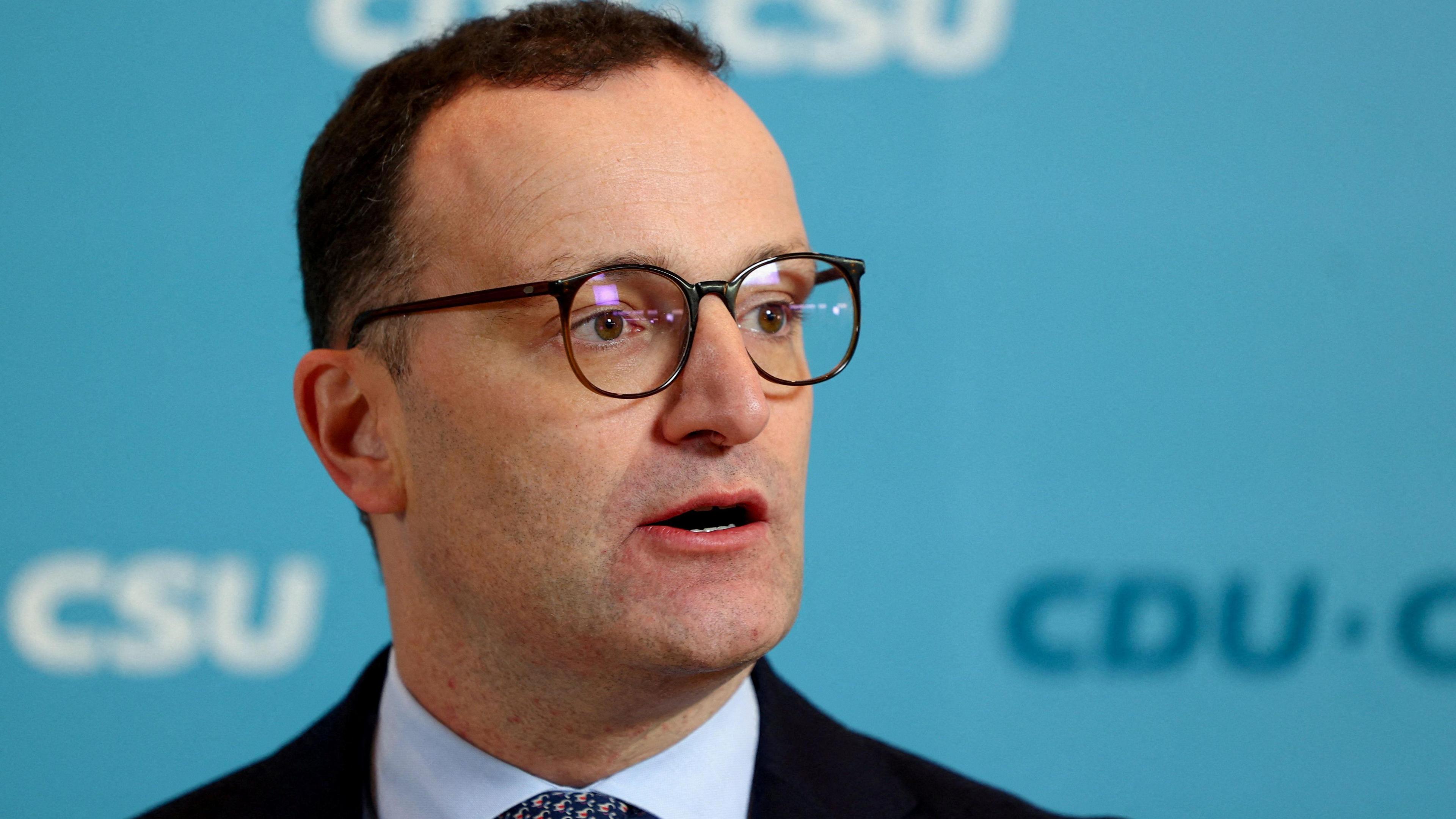
Jens Spahn, 46, stepped down as the leader of the CDU/CSU parliamentary group in the German Bundestag after revealing he had used a surrogate mother in the US to have a child with his husband.
Surrogacy is illegal in Germany, where a 1990 Embryo Protection Act can punish offenders with up to three years in prison or a fine. The law, however, allows children born abroad to be recognised as the parents’ offspring, a loophole Spahn exploited.
Key points:
- Spahn announced his family plans earlier this week, sparking criticism from across Germany’s political spectrum.
- He had previously opposed surrogacy in 2015, calling it “unfaithful” for a gay Christian man.
- Chancellor Friedrich Merz called the resignation “right” and “inevitable,” highlighting credibility as a core value.
- CDU’s parliamentary group leader Alexander Hoffmann will chair the group until a new replacement is chosen.
The controversy underscores a growing debate over surrogacy in Europe. France, Spain and Italy also ban the practice, while recent Italian law now forbids Italians from arranging surrogacy abroad. France’s top court confirmed that children born to a surrogate overseas belong to the intended parents.
The move leaves Germany’s coalition government to grapple with questions of ethical leadership, personal freedom and public trust. Readers can follow the unfolding story through our 60‑second news recap videos and interactive challenges.