What’s the deal?
Russia’s rising rhetoric vs a “no-war” stance
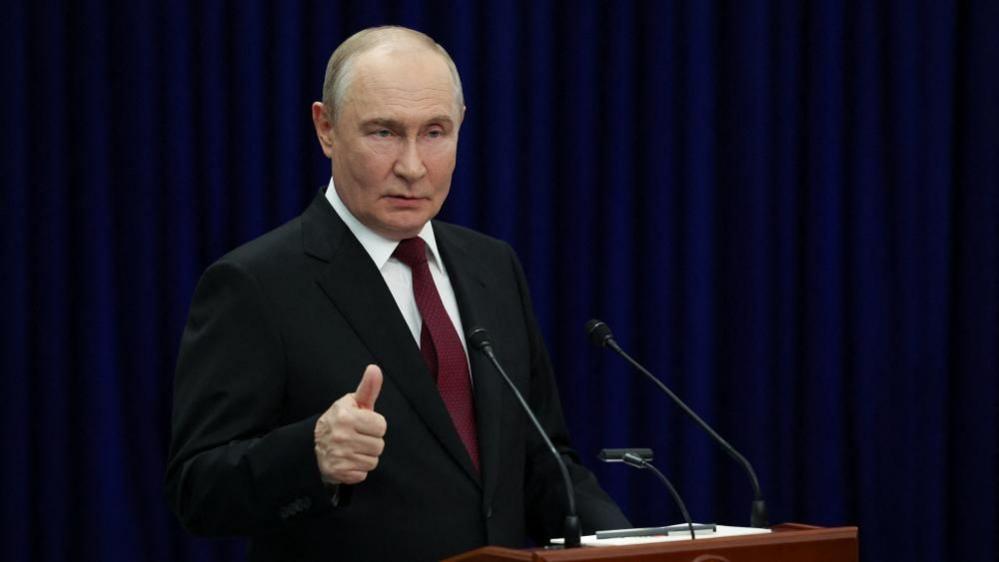
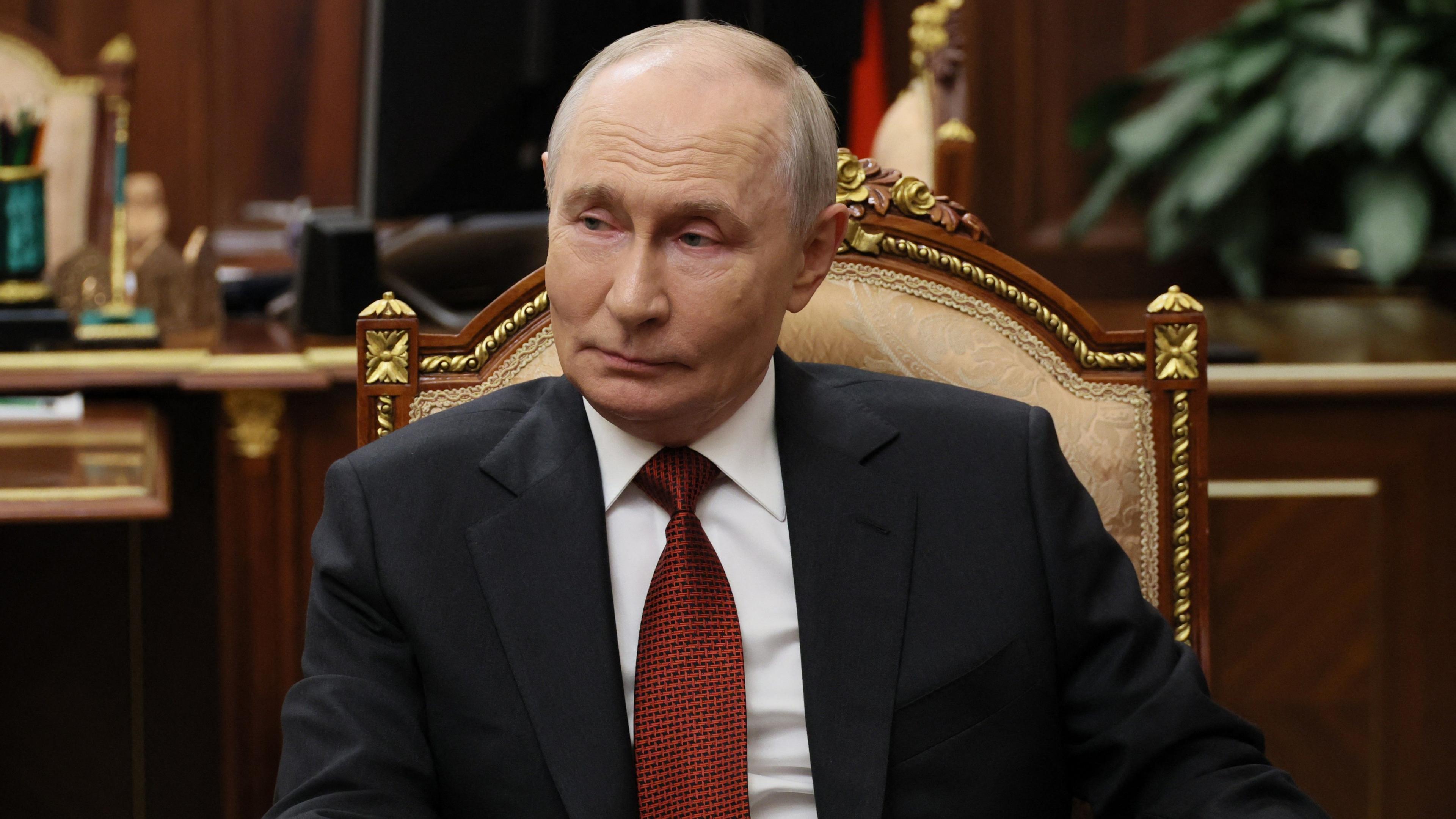
Vladimir Putin is sending hard‑line messages to NATO allies, calling out UK support for Ukraine. Yet, insiders say Moscow’s goal is to avoid a direct military clash with the Euro‑Atlantic alliance.
The CIA’s top reporter, John Radcliffe, recently dropped into Moscow on an unannounced trip, reportedly warning Russia against risking a NATO attack. But analysts note that statements threatening UK forces or Russia’s weapons plants are no more shocking than past nuclear‑era warnings.
The Kremlin’s tone mirrors a broader strategy: applying pressure through cyber‑sabotage, sabotage and even targeted assassination attempts. Officials warn that a miscalculation could spark a sudden conflict.
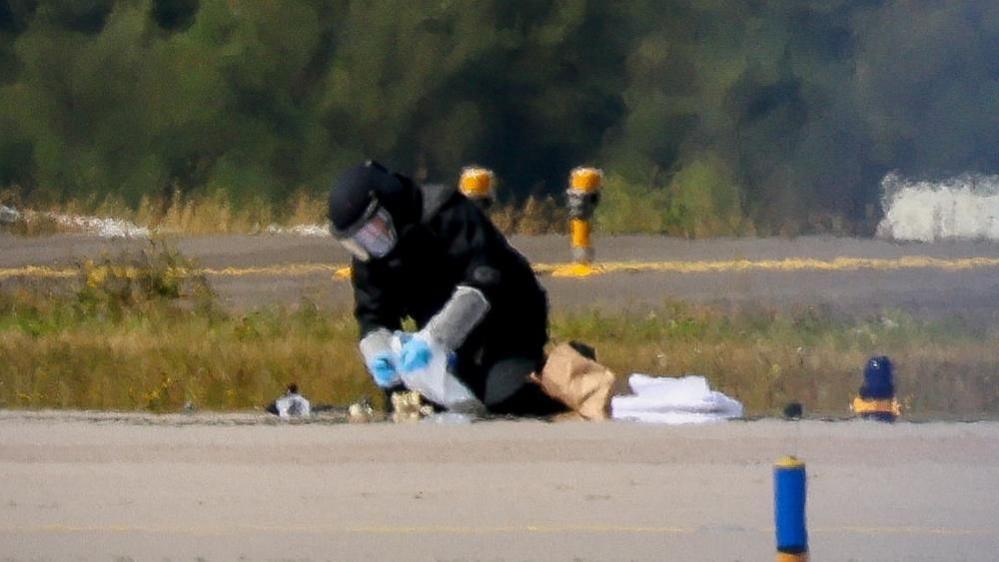
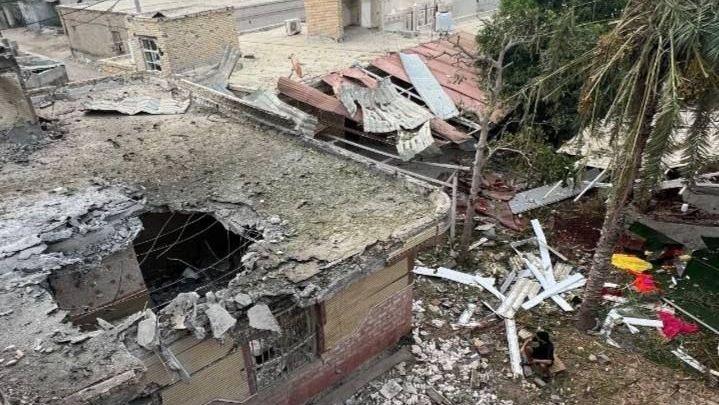
Russia sounds the alarm on drone attacks, too. A bomb‑laden drone landed on the runway of Germany’s Leipzig airport – a key hub for Ukrainian logistics. While no concrete link to Russia has been proven, suspects point to Russian backing for serial incidents at European air‑bases.
Inside Russia, things aren’t easy. Petro‑fuel shortages and slow gains on the eastern front heighten pressure on the Kremlin. Analysts say the war’s heavy casualties – around 6,000 casualties per month – are increasingly compromising the fight, though a large‑scale mobilisation hasn’t been triggered.
Still, NATO allies must stay calm but vigilant. The UK has made it clear that threats from Moscow will not deter its support for Ukraine.
TL;DR – Russia’s leaders are flexing muscles but prefer not to fire the guns. Hybrid attacks and drone threats keep the war flavor alive – yet cold‑blooded Russian forces are fighting an uphill, logistic‑heavy battle that may not spur a full‑scale mobilisation yet.