Heidenau bans the stones
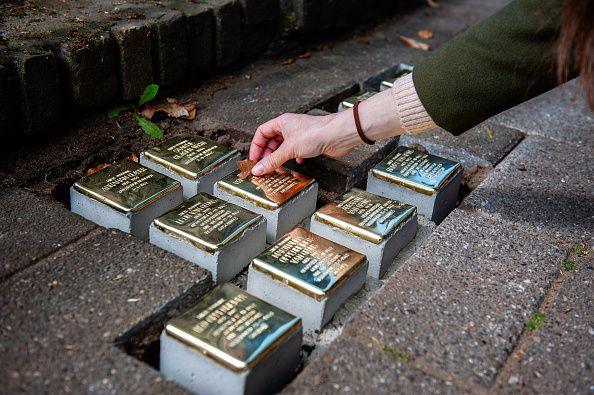
The town council in Heidenau, near Dresden, just voted to stop placing Stolpersteine—tiny brass plaques hidden in the sidewalk that remember people who were murdered by the Nazis.

Politicians from the Alternative für Deutschland (AfD) and the more traditional Christian Democratic Union (CDU) said some locals find the plaques “inappropriate.” They want any memorials to live in the city cemetery, which would keep people from literally stepping over the names.
But the move has sparked a firestorm. Karin Prien, Germany’s education minister and a CDU member, called it a scandal. She warned that shifting monuments to a cemetery “prioritises death over life” and makes Jewish history invisible again.
Survivor Charlotte Knobloch, president of Munich’s Jewish community, condemned the ban, arguing that remembrance should be everywhere, not hidden. She also called out the AfD’s extremist ties, noting the party’s recent victories in Saxony-Anhalt and Mecklenburg‑Vorpommern.
Artist Gunter Demnig, who started the Stolpersteine project, said the reaction was “to be expected” given the rising influence of the AfD. He added that foreign parties often grow when local communities ignore the past.
Across Germany, communities grapple with how to balance respectful remembrance for Holocaust victims and a future that rejects the past’s hateful ideologies. The Heidenau decision shows that this balance is far from settled and remains a flashpoint for debate among younger generations, who demand both historical truth and social progress.