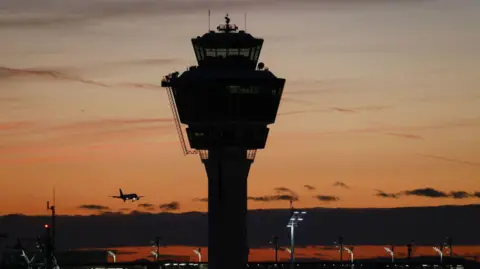
Germany has accused Russia of a cyber-attack on air traffic control and attempted electoral interference, summoning the Russian ambassador in response. A spokesman from the German foreign ministry stated that Russian military intelligence was responsible for a cyber-attack against German air traffic control in August 2024. The accusations extend to Russia's attempts to influence and destabilize the country's federal election earlier this year in February.
These latest claims emerge amid rising concerns over Russian cyber activities in Europe following Moscow's full-scale invasion of Ukraine in 2022. Russia has strongly denied these accusations, calling them 'absurd.' The embassy in Berlin stated that allegations regarding Russian involvement in such incidents were baseless and unfounded.
In coordination with European partners, the German government insists it will take necessary countermeasures to make Russia accountable for its actions. Recent events mirror similar allegations made by the UK and Romania against Russia regarding meddling in their domestic affairs.
Germany's intelligence has linked the cyber-attack to the Fancy Bear hacking group, widely believed to be affiliated with Russian military intelligence. The spokesman noted that intelligence findings confirm the GRU's responsibility for this attack.
Furthermore, the ministry pointed out that efforts to destabilize Germany included a disinformation campaign targeting key political figures. The campaign, detailed as Storm 1516, aimed at misleading voters just days ahead of the federal election by spreading fake news about ballot manipulation.
Despite the turbulent relations exacerbated by Russia's war on Ukraine, Germany has openly supported Ukraine with military and diplomatic help. Chancellor Friedrich Merz has called for using frozen Russian assets to assist Ukraine and continues to emphasize the threat of cyber warfare posed by Russia.
These allegations further strain the already tense relationship between the two nations, highlighting ongoing geopolitical conflicts exacerbated by cyber threats.