In brief
Venezuela is employing a network of 'ghost ships' to circumvent US sanctions aimed at its state-run oil company PDVSA. This clandestine fleet, which includes vessels that frequently change names and flags, is integral to maintaining the country's oil exports despite a naval blockade. The strategy reflects broader global issues surrounding sanctions and the resilience of sanctioned nations like Venezuela.
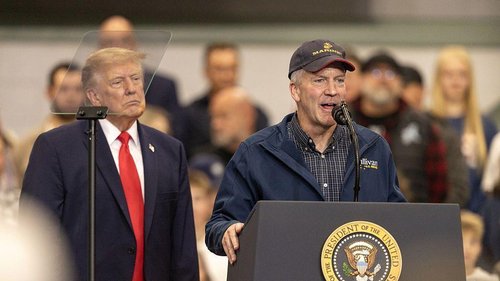
In a further escalation of tension between the United States and Venezuela, President Donald Trump has ordered a naval blockade to stop sanctioned oil tankers from entering and leaving the South American country.
Venezuela - which has the world's largest proven oil reserves - is highly dependent on revenues from its oil exports to finance its government spending.
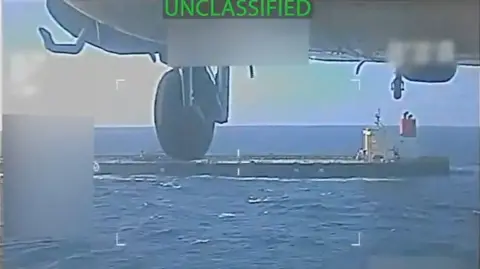
But US sanctions targeting Venezuela's state-run oil company PDVSA have made exporting oil difficult for the Venezuelan government, leading them to resort to a fleet of 'ghost ships'.
As of last week, more than 30 of the 80 ships in Venezuelan waters or approaching the country were under US sanctions, according to data compiled by TankerTrackers.com.
This fleet has allowed Venezuela to covertly sell oil amid challenges posed by international sanctions.
Ghost fleets aren’t unique to Venezuela; similar tactics are being used by countries like Russia and Iran, creating a growing trend of sanctioned nations operating under the radar in the global oil market.
Additionally, strategies employed by these ghost ships include changing their names frequently, disabling identification systems, and using scrapped vessel identities, as they navigate around sanctions while still supplying crude oil to clients worldwide.
With the US military increasing its presence near Venezuelan waters and recent seizures of sanctioned vessels, the effectiveness of these ghost ships may soon be challenged. A looming question remains: how long can Venezuela's ghost fleet continue to evade detection?