In brief
Scientists from the US Geological Survey have identified a glacial collapse as the root cause of the sudden flash floods along the Nepal‑Tibet border. Initial reports mistakenly blamed an earthquake, but satellite images confirmed the glacier’s rapid disintegration. The collapse released unprecedented volumes of meltwater, overwhelming local rivers and infrastructure. Climate scientists point out that Himalayan glaciers are melting at an accelerating pace due to rising temperatures, heightening the risk of future floods. The incident underscores the urgent need to monitor glacier health and invest in disaster‑preparedness in mountain regions.

Scientists from the U.S. Geological Survey have identified a glacial collapse as the root cause of the sudden flood in the Nepal‑Tibet border area.
Initial reports had blamed an earthquake, but satellite data showed that large chunks of a glacier broke off and poured into the valley, triggering the deluge.
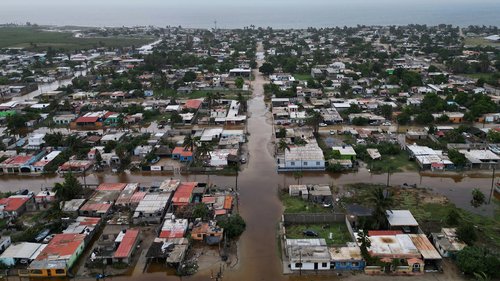
The collapse released a massive volume of meltwater, overwhelming rivers and crossing paths with towns and villages, causing widespread damage.
Experts warn that Himalayan glaciers are melting faster than before because of global warming, making future clouds of water even more likely.
Local authorities are now calling for tighter monitoring of glaciers and better flood‑preparedness in mountain communities.