In brief
Greece is undergoing a major livestock crisis, with hundreds of thousands of sheep and goats being culled following outbreaks of sheep and goat pox. Farmers like Anastasia Siourtou share the emotional and financial toll, especially as the majority of Greek sheep's milk is used for producing feta cheese, a prized export. The government’s delayed response to control the disease raises alarm, as it may lead to shortages and increased prices of feta cheese in the future.
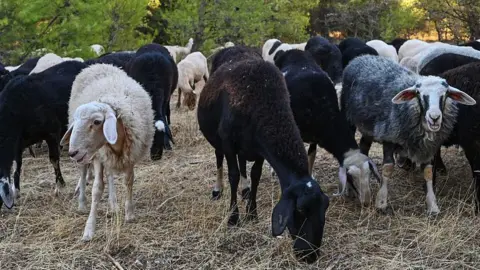
Hundreds of thousands of sheep and goats are being culled in Greece, due to the outbreak of an infectious disease. This has raised concerns for the production and exports of the country's famed feta cheese.
Anastasia Siourtou walks through her deserted farm in Karditsa. There is another farm two kilometers away. They had pox cases, but hid it, she explains, reflecting on how her herd contracted the disease. Losing her animals means financial ruin, especially since the sheep's milk is known as Greece's white gold.
The emotional toll is heavy as well. I felt that I failed to protect them, she states about the day her sheep were culled.
Sheep and goat pox was first detected in northern Greece in August 2024, and by mid-November, 1,702 incidents had been recorded, leading to the disposal of approximately 417,000 animals. Farmers warn that sourcing sheep's milk for feta production soon may become problematic, potentially leading to shortages.
Additionally, small dairies struggle with increased production costs due to milk shortages, with experts anticipating price hikes if the outbreak persists.
The government is offering compensation for the culled livestock, but many farmers argue it's insufficient to cover their losses. Regulatory shortcomings, such as a late response in managing the outbreak, have heightened tensions among farmers.
Despite calls for mass vaccination against the disease, the government hesitates, fearing such measures may classify Greece as endemic, impacting feta exports. At the same time, reports surface of illegal vaccinations and unreported cases, complicating efforts to contain the outbreak.
As the crisis unfolds, the future of feta cheese and the livelihoods of countless farmers hang in the balance.