For 25 years Juliette Scauso only had her father’s mangled firefighter helmet from 9/11 to remember him. Now new DNA methods may finally give his name.
After the terror attacks, the New York City Office of Chief Medical Examiner has been hunting for remains in the rubble of the World Trade Center for over two decades. 60% of the victims have been identified so far, but it is still work underway, and each new technology may bring a new match.
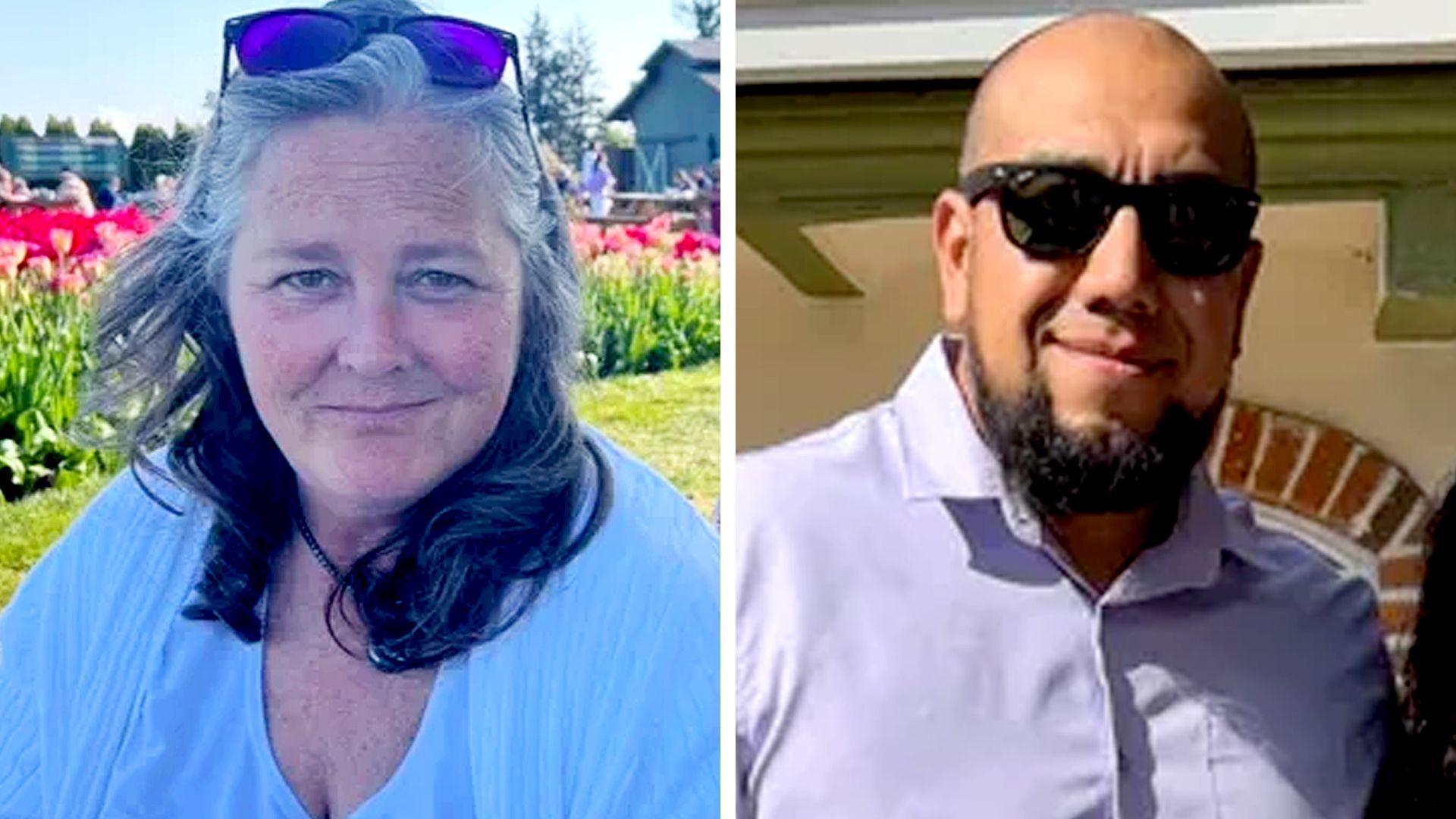
Using forensic investigative genetic genealogy, or FIGG, scientists can read a person’s whole genome and compare it to family members – even distant cousins – to unlock identities. Done last year, the technique identified 24‑year‑old currency trader Ryan Fitzgerald, a 72‑year‑old woman from Boston Flight 11, and a woman whose family kept her name private.
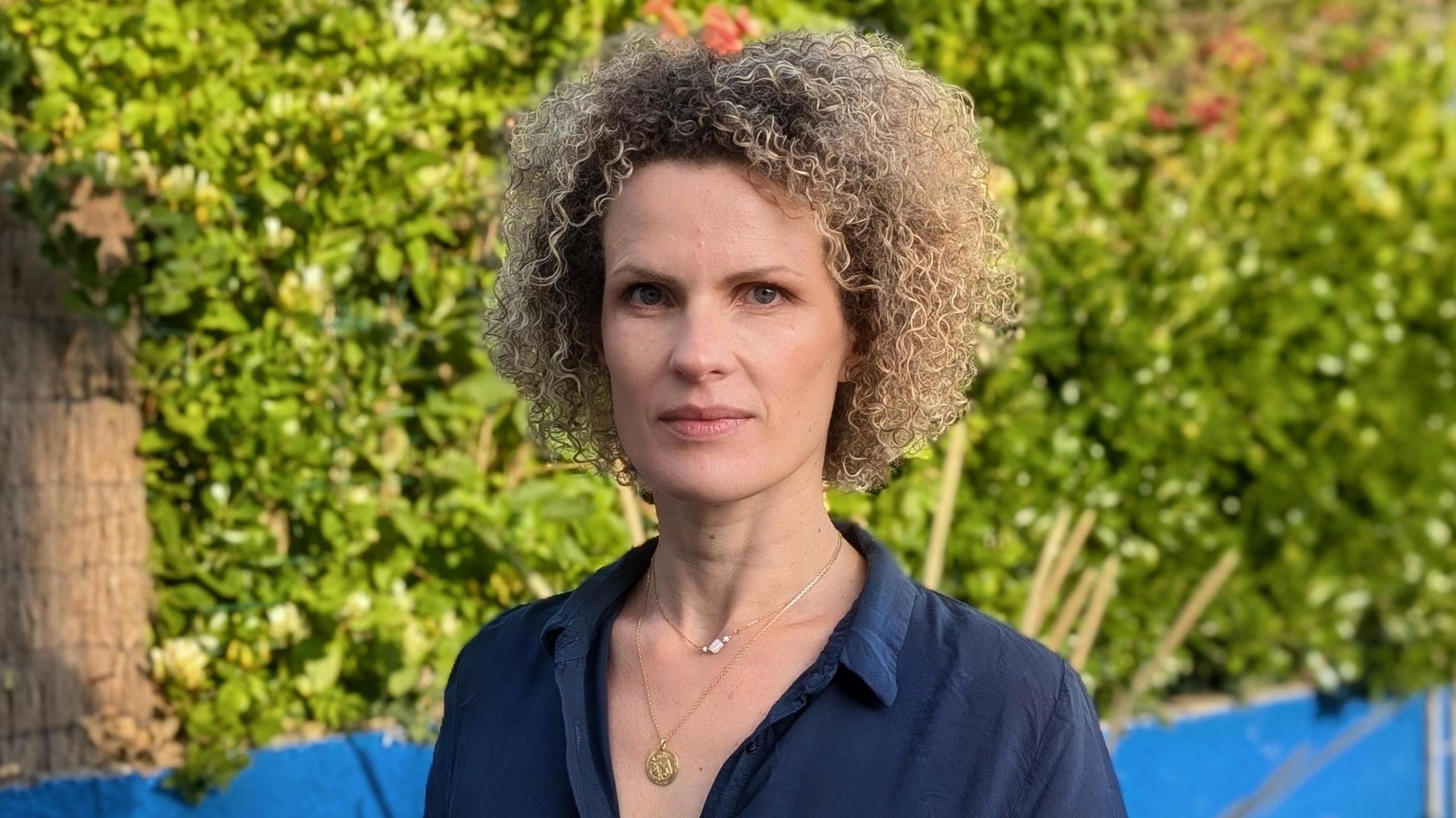
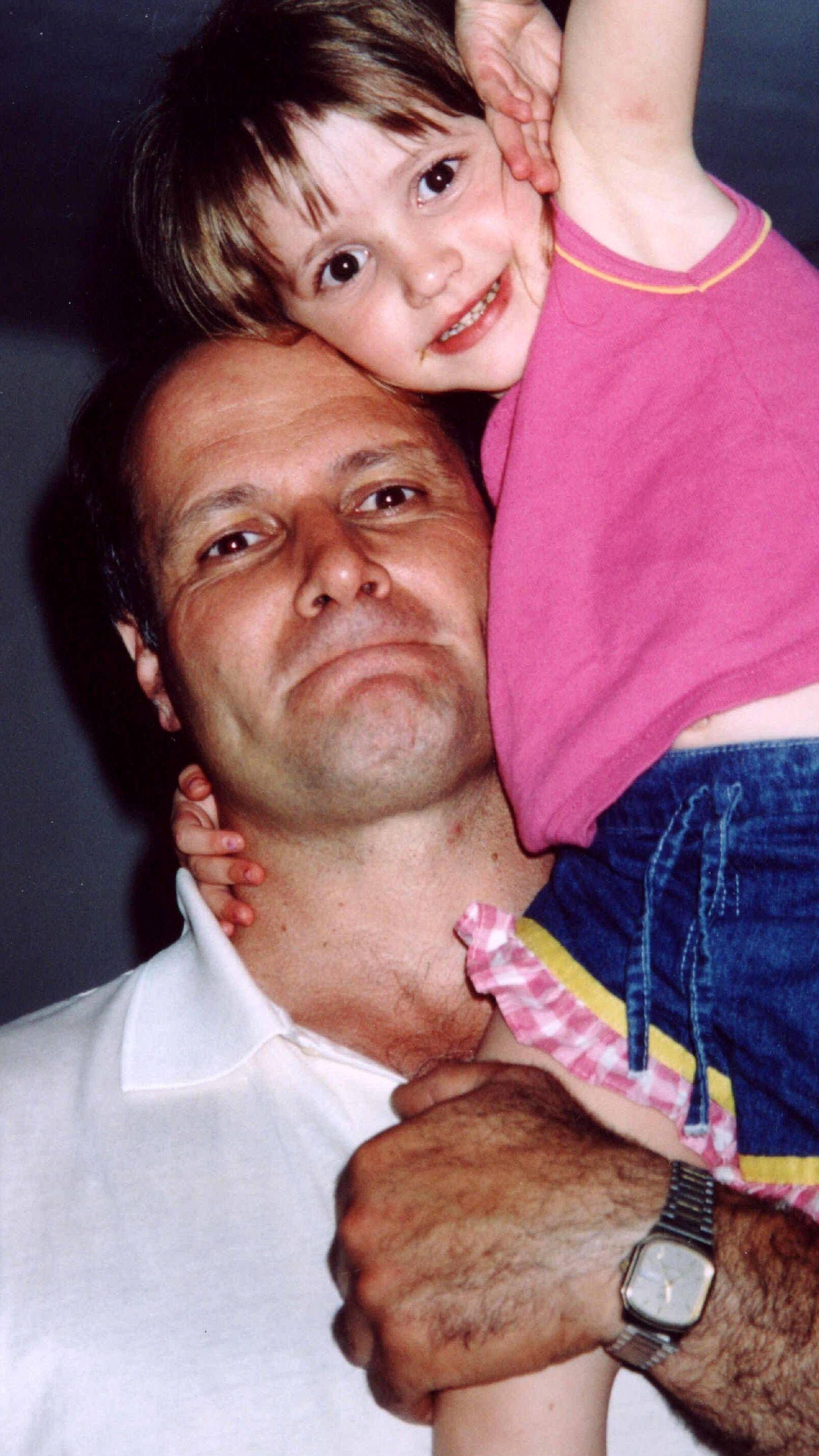
Juliette told what it feels like to wait: “I’ve lived knowing my dad died, but we never recovered him. Getting his name now wouldn’t bring him back and might reopen wounds.” She is one of many who don’t want to hear another identification, but others cherish a closure that the name provides.
The Office keeps a repository at the 9/11 memorial to store recovered remains. When identified, families may choose to keep the remains there or bring them elsewhere. The medical examiner’s team also offers a reflection room, letting relatives pause to mourn.
Although it is unlikely every victim will ever be found, the work will continue as long as families want answers. In a city shaken by that day, the science of DNA keeps turning a few minutes of hope into a headline‑worthy story – sometimes 25 years later.