In brief
Many in Trump's base voice concern over potential US involvement in foreign conflicts despite NATO arrangements.
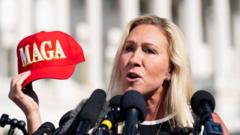
In a move that has ignited controversy among his "Make America Great Again" supporters, former President Donald Trump announced plans to supply weapons to Ukraine through NATO, drawing sharp criticism from key figures within his political circle. Many conservatives argue that this goes against Trump's campaign commitments to minimize U.S. engagement in overseas conflicts. On Monday, Trump reiterated that weapon sales to Ukraine would not represent direct aid but rather transactions for which European nations would cover the costs. However, Republican Congresswoman Marjorie Taylor Greene, a staunch Trump ally, publicly voiced her disappointment, stating that U.S. taxpayers might still see indirect costs and asserting that voters expected a complete halt to foreign aid.Former Trump strategist Steve Bannon reinforced the sentiment that the conflict in Ukraine should be viewed as a "European war," insisting that Europe should take the lead in handling the crisis. An unnamed source from Trump's campaign echoed this discontent, stating, "We still hate it. This is not our war, and escalation isn't in America's interest."Despite the backlash, a White House official claimed that Trump's core supporters remain confident in his decisions, citing polls indicating a majority of Trump voters favor ongoing arms support for Ukraine. Support from Trump's administration for strengthening alliances was emphasized, with officials arguing that NATO's increased defense spending reflects a fair distribution of responsibilities among member nations.In an exclusive BBC interview, Trump expressed his ongoing disappointment with Russian President Vladimir Putin and the stalled peace negotiations. He remains hopeful for future resolutions to the Ukraine crisis, but his latest military support strategy has left a divide within his base, illustrating the complex dynamics of U.S. foreign policy and its domestic implications.