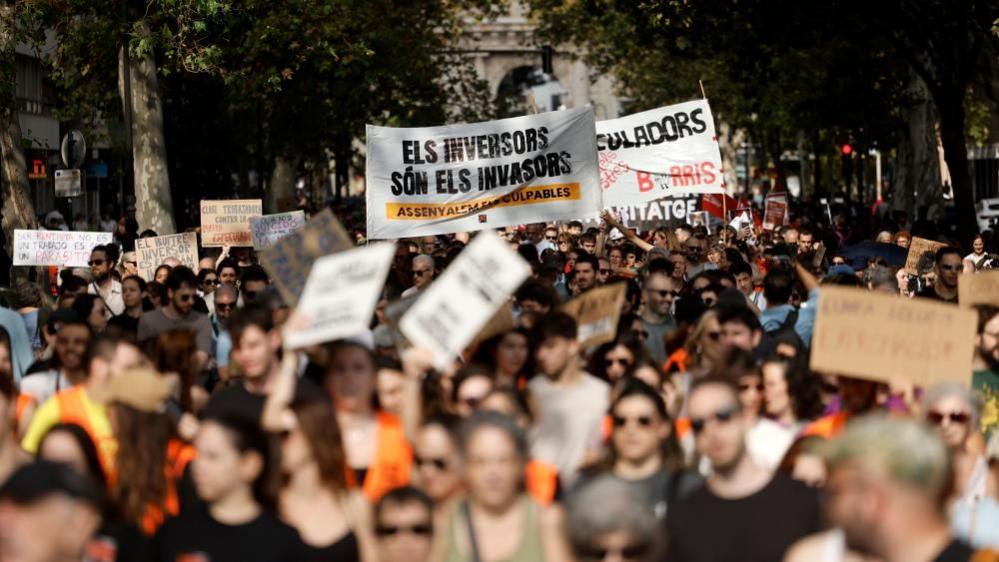
Puerta del Sol’s tent city has become a flashpoint for Spain’s housing battle. Two students—21‑year‑old Pierina Nicuray and 19‑year‑old film‑dubbing student Jorge Moreno—tented for a week, demanding that owners stop gouging rents and empty apartments front a skyline of empty houses.
The protesters point fingers at “vulture funds” and other investment groups that buy properties, leave them vacant and then raise rents until tenants can no longer pay. “It’s a short‑sighted business that stops Spaniards from owning a decent home,” Moreno says.
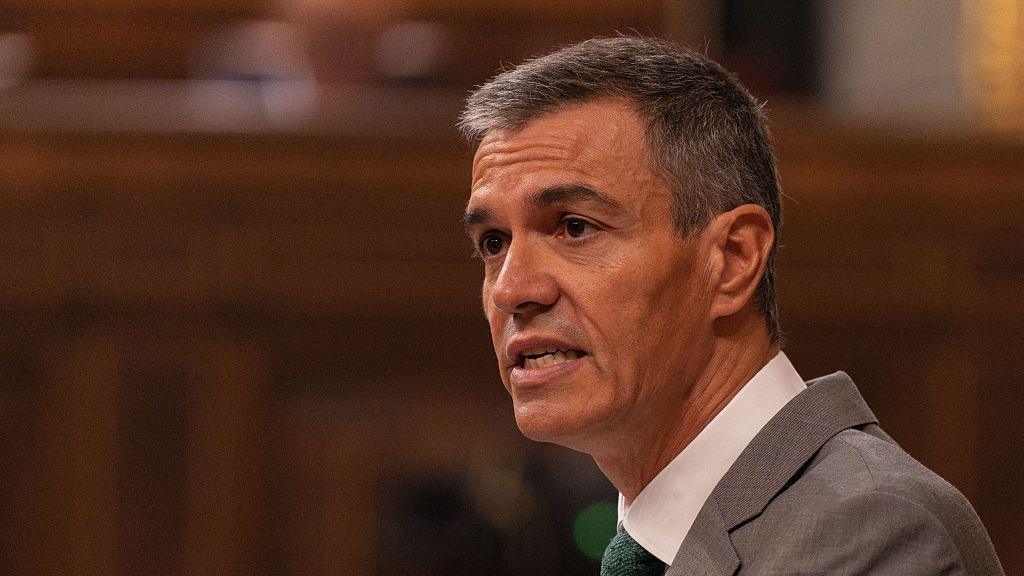
Prime Minister Pedro Sánchez promised the public a plan that would curb speculation, but his emergency measures were rejected by Congress. “Those who treat homes as mere market objects must face consequences,” he said, before calling a snap election a month later.
Spain’s rent landscape is harsh: rents climbed 84% nationwide over the past decade; Málaga saw an 113% jump, and Marbella’s surge topped 150%. A June study by Idealista shows the gap between supply and the growing demand has created a crisis that fuels public anger.
Demographers and city planners attribute the rise to an influx of migrants, under‑planned construction and a surge in Airbnb listings. While experts say the short‑term rentals pressure specific areas, the broader shortage remains a major driver of rent hikes.
With the crisis in the spotlight, younger Spaniards are demanding policy change, from higher taxes on large property portfolios to limits on short‑term rentals. Their tent‑city protests promise to keep pointing the spotlight on a nation that feels its own homes are being held hostage by speculation.