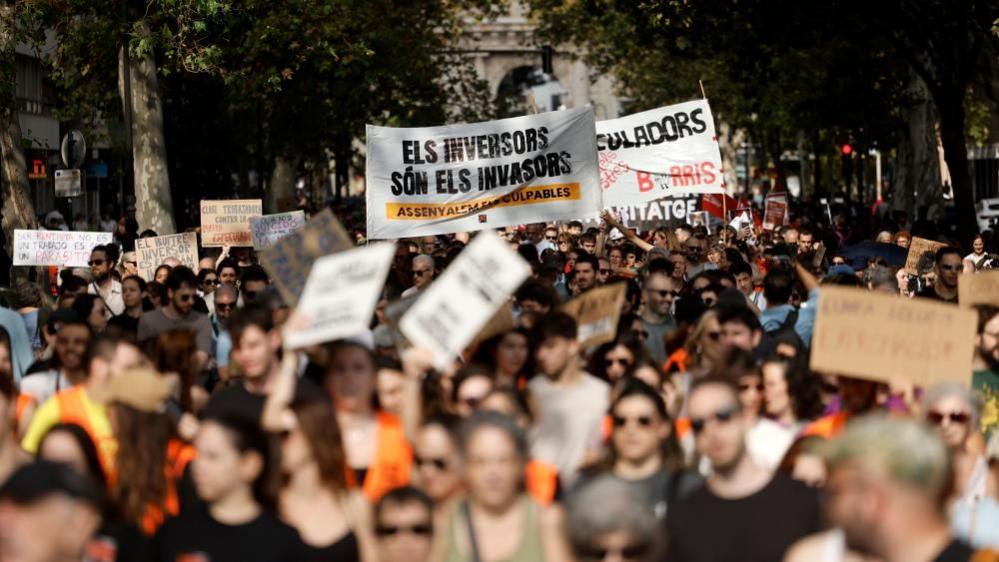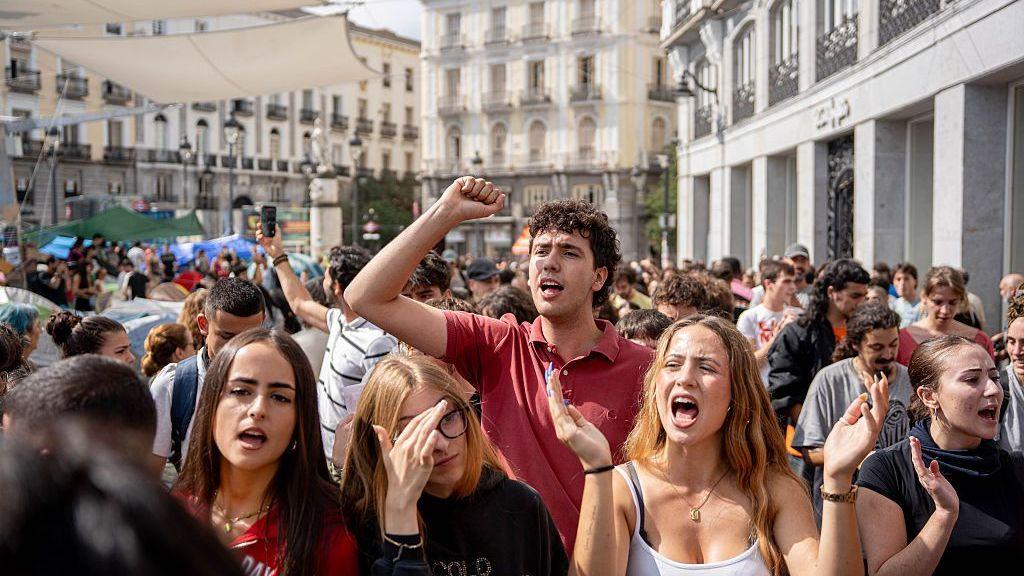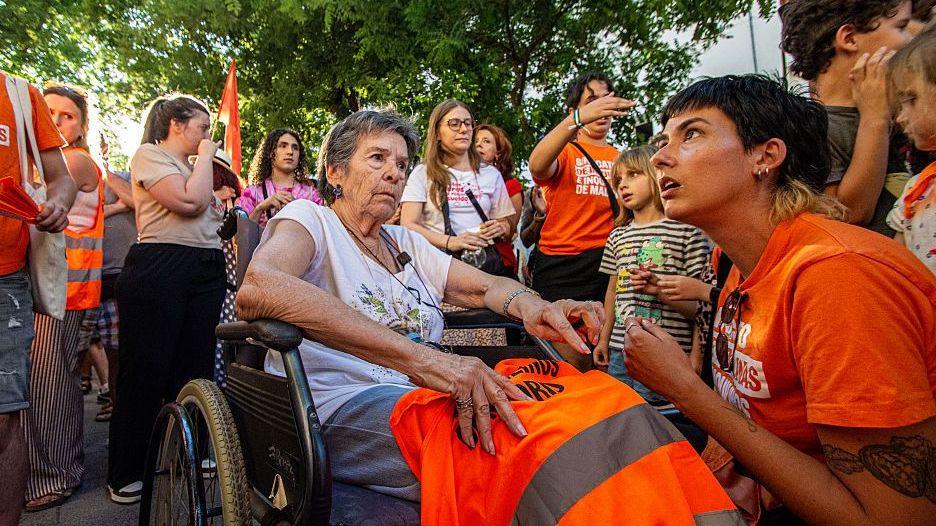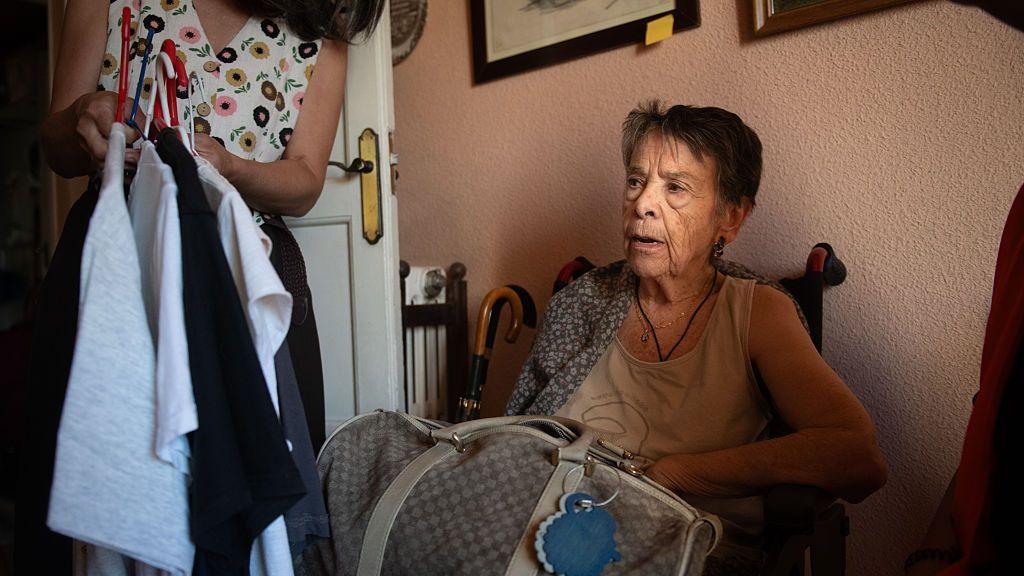
Eighty‑seven‑year‑old Maricarmen Abascal, a longtime Madrid resident, was forcefully removed from her flat on 23 September after landlords doubled the rent from €500 to €2,650 per month. In the months that followed, the Spanish tenants union and citizens across the country packed Madrid’s Puerta del Sol, chanting for affordable housing and calling the evictions “murderers.” The protests hardened to the point that Prime Minister Pedro Sánchez declared a snap election for 29 November.
Maricarmen lived for several days in Madrid’s Gregorio Marañón Hospital after her eviction, posting messages from her bed thanking supporters. When her death was announced, tens of thousands gathered at the square to light candles, laying them in a makeshift altar outside the Community of Madrid’s headquarters.
Her case was symbolic; the property company that bought the flat in 2018 raised the rent before offering a reduced price that still exceeded her pension. Earlier court orders had blocked similar evictions, but the rent hikes and lack of protective legislation effectively left her with no choice.
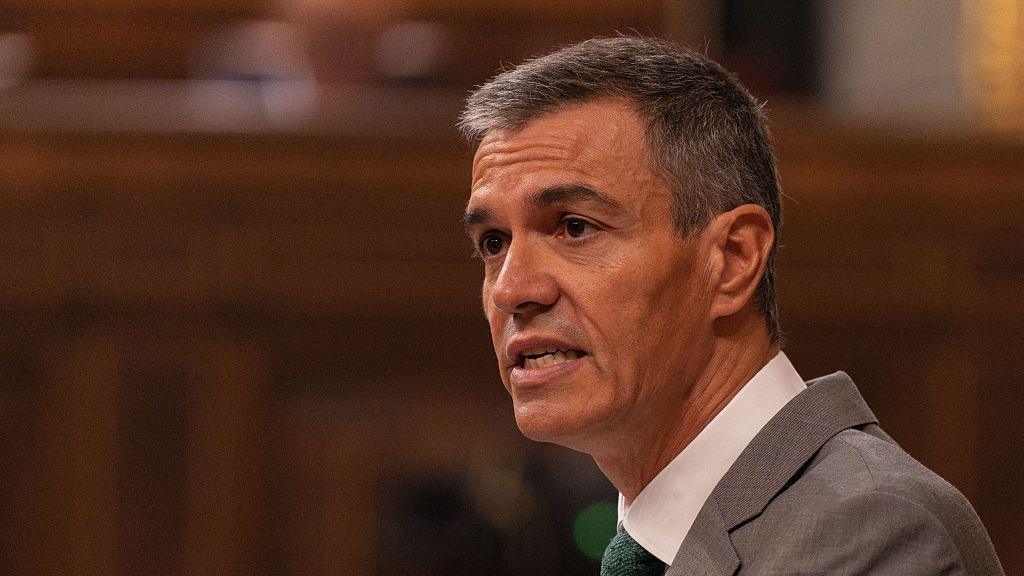
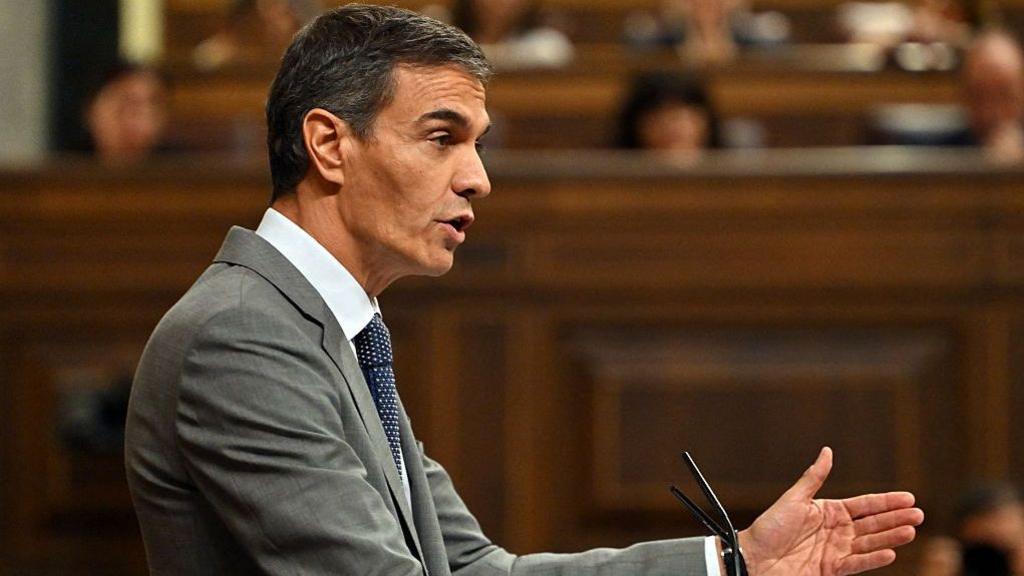
Sánchez cited a “broader progressive majority” needed to overcome elite resistance, while opponents warned that government intervention could worsen the housing market. Yet the public backlash –shared by figures from NGOs to celebrities—led to a general strike called for 11 November, demanding comprehensive reforms.
Maricarmen’s final message from her hospital bed made its way to millions: ‘I didn’t fight to protect my home alone, but to keep the fight alive for others.’ The Spanish political scene is now scrubbing for solutions that could prevent such tragedies while navigating corruption scandals and economic strain.