In brief
Though Somaliland declared independence in 1991, its quest for international recognition remains fraught with challenges.
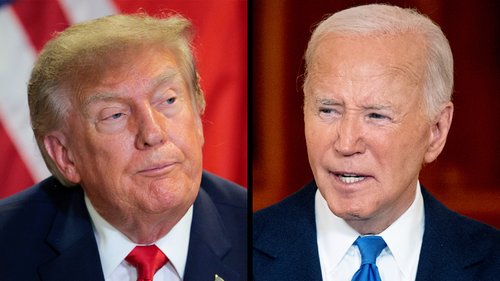
In a surprising twist of fate, many in Somaliland are expressing optimism that the United States will recognize their self-declared republic under the upcoming presidency of Donald Trump. Aisha Ismail, a university student in Hargeisa, beams with hope, declaring, "Donald is our saviour. He is a wise and practical man. God bless America." However, this optimism starkly contrasts with the concerns of those in Mogadishu, the capital of Somalia. Abdi Mohamud, a data analyst in Mogadishu, angrily critiques the ignorance of Somaliland’s advocates, saying, "I doubt Donald Trump knows what Somaliland is."The push for recognition has gained traction among influential Republicans, particularly Congressman Scott Perry, who recently introduced a bill advocating for Somaliland’s statehood. This aligns with "Project 2025," a roadmap compiled by the Heritage Foundation proposing a new strategy for U.S. involvement in African territories. Yet, the overall emphasis on Africa in this extensive plan remains minimal, leaving many in doubt about its implementation.A significant barrier lies in Somalia’s unwavering stance against recognizing Somaliland’s independence. The Somali Foreign Affairs Minister warns that recognition would threaten regional stability and set a concerning precedent for separatist movements globally. The U.S. military presence in Somalia has been crucial in combating extremist groups like al-Shabab, and a potential withdrawal could exacerbate insecurity.While Trump’s previous administration saw a reduction of U.S. troops in Somalia, about 500 remain under President Biden, executing special operations against al-Shabab. The stakes are high, as a security lapse could embolden terrorist factions and unravel the fragile stability in the Horn of Africa.The contentious dialogue around possible recognition is further highlighted by Somaliland’s recent negotiations with Ethiopia. Although Turkey managed to mediate a potential crisis, Somalia has started collaborating with U.S. lobbying firms to secure favorable relations with Trump’s administration. The U.S. abstained on a recent United Nations resolution regarding African Union forces in Somalia, hinting at a shift in approach.The landscape continues to evolve, with some U.S. officials and scholars asserting that recognition might align with American strategic interests in the region. Supporters argue that Somaliland deserves acknowledgement for its democratic governance and adherence to conservative values, passing on any dependence on international aid.As global powers compete for military footholds along the Horn of Africa, Somaliland’s strategic Red Sea coastline becomes increasingly appealing. Trump’s administration might see an opportunity in Somaliland that counters rivals like China, who are vying for influence in the region.Advocates for Somaliland argue that the territory could be a crucial ally in U.S. endeavors, especially concerning trade and security interests. They believe that presenting a solid business case could entice Trump into fostering diplomatic relations, positioning Somaliland as a lucrative partner.Despite the growing discourse, experts caution that the complexities of U.S. foreign policy in the Horn of Africa necessitate careful consideration. Ken Menkhaus, a notable academic on Somali affairs, suggests that we may witness substantial shifts in U.S. relations with both Somaliland and Somalia in the coming future, ushering in a new chapter of geopolitical dynamics in the region.