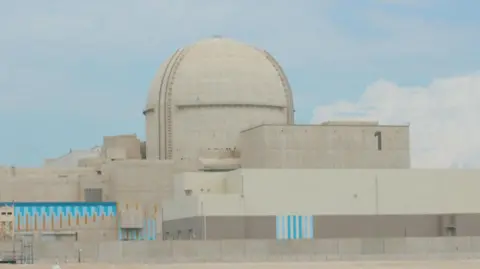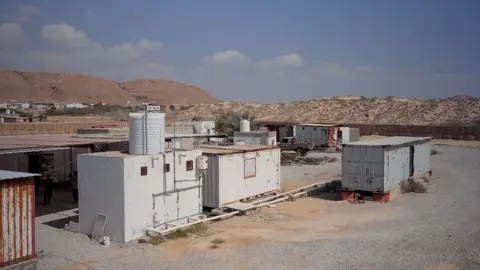
The BBC has been given access to detention facilities on former United Arab Emirates military bases in Yemen, confirming long-standing allegations of a network of secret prisons run by the UAE and forces allied to it in Yemen's decade-long civil war. One former detainee described being beaten and sexually abused at one of the sites. Reports detail the conditions in various facilities, such as shipping containers housing multiple prisoners in cramped, unsanitary environments. The UAE denied the allegations previously but has not commented on recent findings.
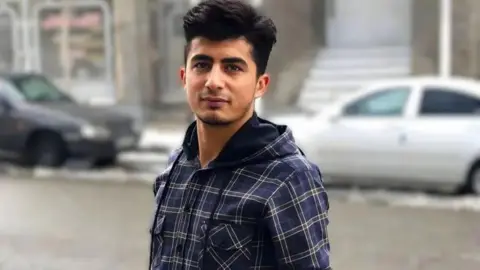
As the Yemeni government's alliance with the UAE fractures, the situation remains dire for those caught in the web of these secret prisons. One heart-wrenching account from a mother reveals the suffering of her son, who was detained at a young age, enduring years of torture and abuse. Human rights organizations have documented numerous such cases, and calls for accountability continue to grow.
At one prison, detainees described being held in tiny cells, sometimes alongside dozens of others, under constant threat of violence from their captors. Allegations include a variety of torture methods that leave scars on both bodies and minds. The recent investigations are shedding light on the harsh realities faced by many while raising critical questions about human rights in conflict zones.
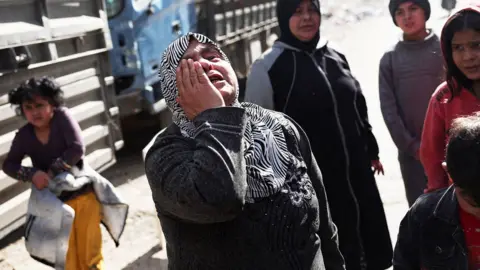
As families search for justice and answers about their loved ones, the impact of these revelations continues to shape discussions on international human rights policy and intervention in conflict-afflicted regions.
As the Yemeni government's alliance with the UAE fractures, the situation remains dire for those caught in the web of these secret prisons. One heart-wrenching account from a mother reveals the suffering of her son, who was detained at a young age, enduring years of torture and abuse. Human rights organizations have documented numerous such cases, and calls for accountability continue to grow.
At one prison, detainees described being held in tiny cells, sometimes alongside dozens of others, under constant threat of violence from their captors. Allegations include a variety of torture methods that leave scars on both bodies and minds. The recent investigations are shedding light on the harsh realities faced by many while raising critical questions about human rights in conflict zones.
As families search for justice and answers about their loved ones, the impact of these revelations continues to shape discussions on international human rights policy and intervention in conflict-afflicted regions.