In brief
The BBC has gained access to secret prisons operated by the UAE in Yemen, confirming long-held suspicions of torture and abuse. Former detainees recount their harrowing experiences of being held without charge, tortured, and isolated. Families of the victims demand answers as the Yemeni government acknowledges the existence of these facilities after regaining control from UAE forces.
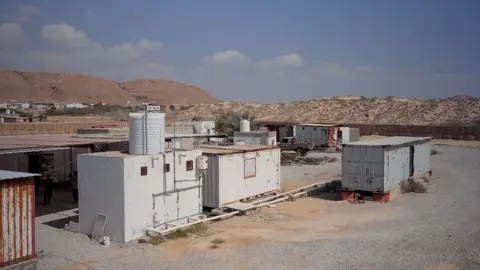
One former detainee told the BBC he had been beaten and sexually abused at one of the sites. We saw cells at two bases in the south of the country, including shipping containers with names - apparently of detainees - and dates scratched into the sides.
The UAE did not respond to our request for comment but has previously denied similar allegations. Until recently, the Yemeni government, backed by Saudi Arabia, was allied with the UAE against the Houthi rebel movement which controls north-west Yemen.
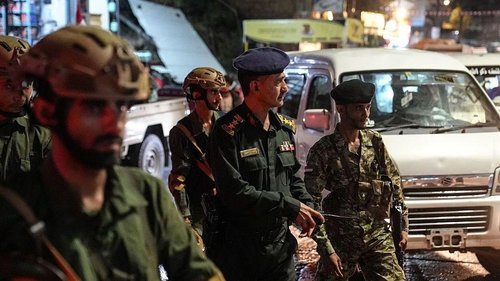
However, this alliance has fractured, with UAE forces withdrawing from Yemen and Yemeni government forces retaking large swathes of territory from UAE-backed separatists.
As journalists were granted access to the military bases, the shocking details of the conditions within the prisons were revealed: about ten shipping containers serving as cells, with little ventilation and marks indicating dates detainees had been held. There were scrupulous accounts of torture, beatings, and sexual abuse at the hands of guards, some reportedly including Emirati soldiers.
The testimonies of former detainees paint a vivid picture of the harsh realities faced within these secretive facilities. Families have long sought answers regarding the disappearances of their loved ones, like the mother of a young athlete who has not heard from her son in years, only to witness the scars left by torture during a brief reunion.
With human rights organizations and the media documenting these abuses over the years, it remains a pressing concern for the Yemeni authorities. The Ministry of Information acknowledges the existence of these prisons now that they are under their control, prompting a call for the closure of all ‘illegal’ detention centers.
Despite the commitment to address these issues, many worry that the plight of detainees may continue under new management, and the fight for justice remains ongoing as families plead for the safety of those still held.