It was late at night when an Iranian cluster bomb flew through the ceiling of an elderly couple's apartment in central Israel and exploded in their tiny living room, killing them both.
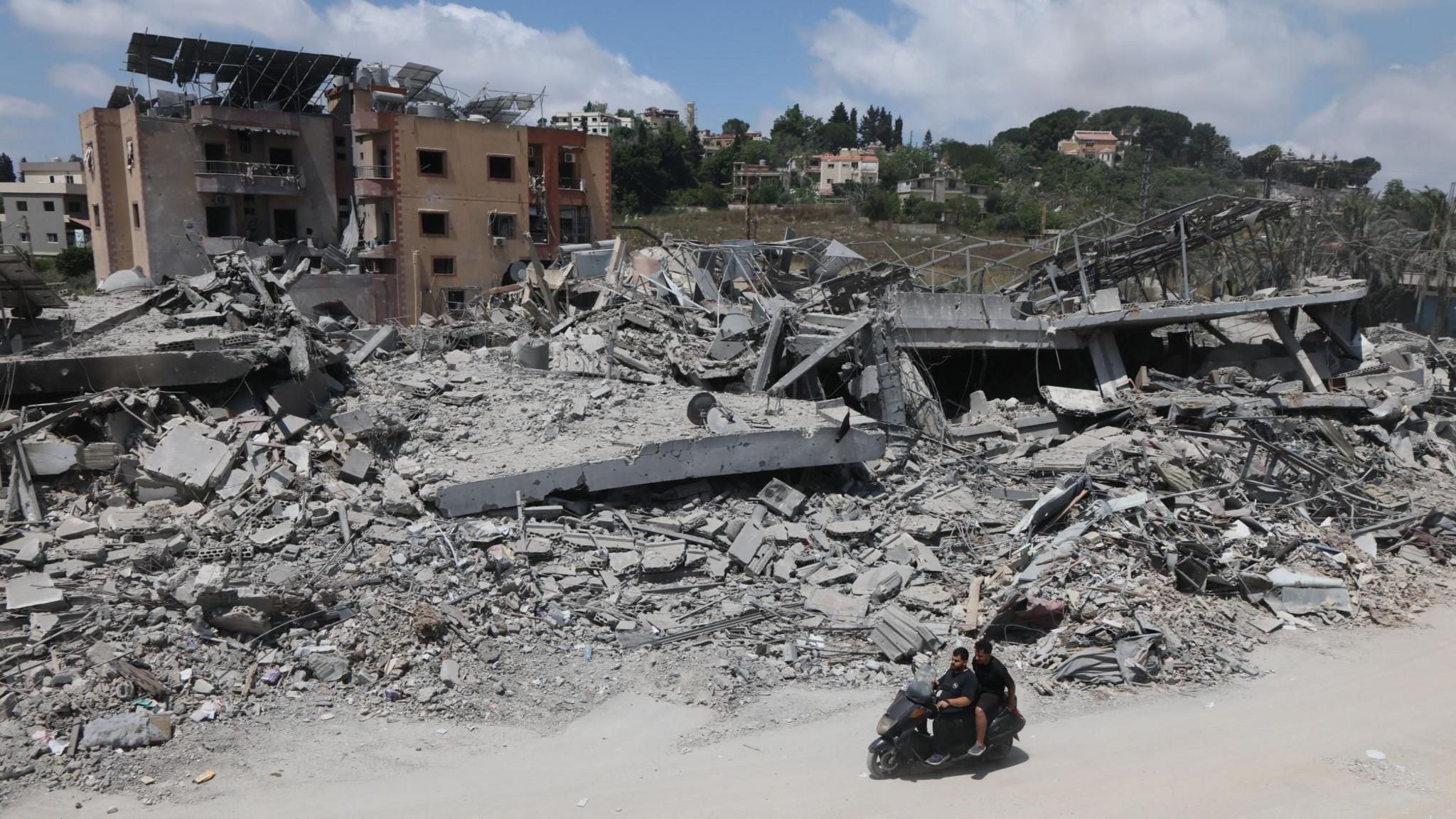
The path of the bomb was still clearly visible on the debris left behind, with a large hole marking where it crashed through the ceiling.
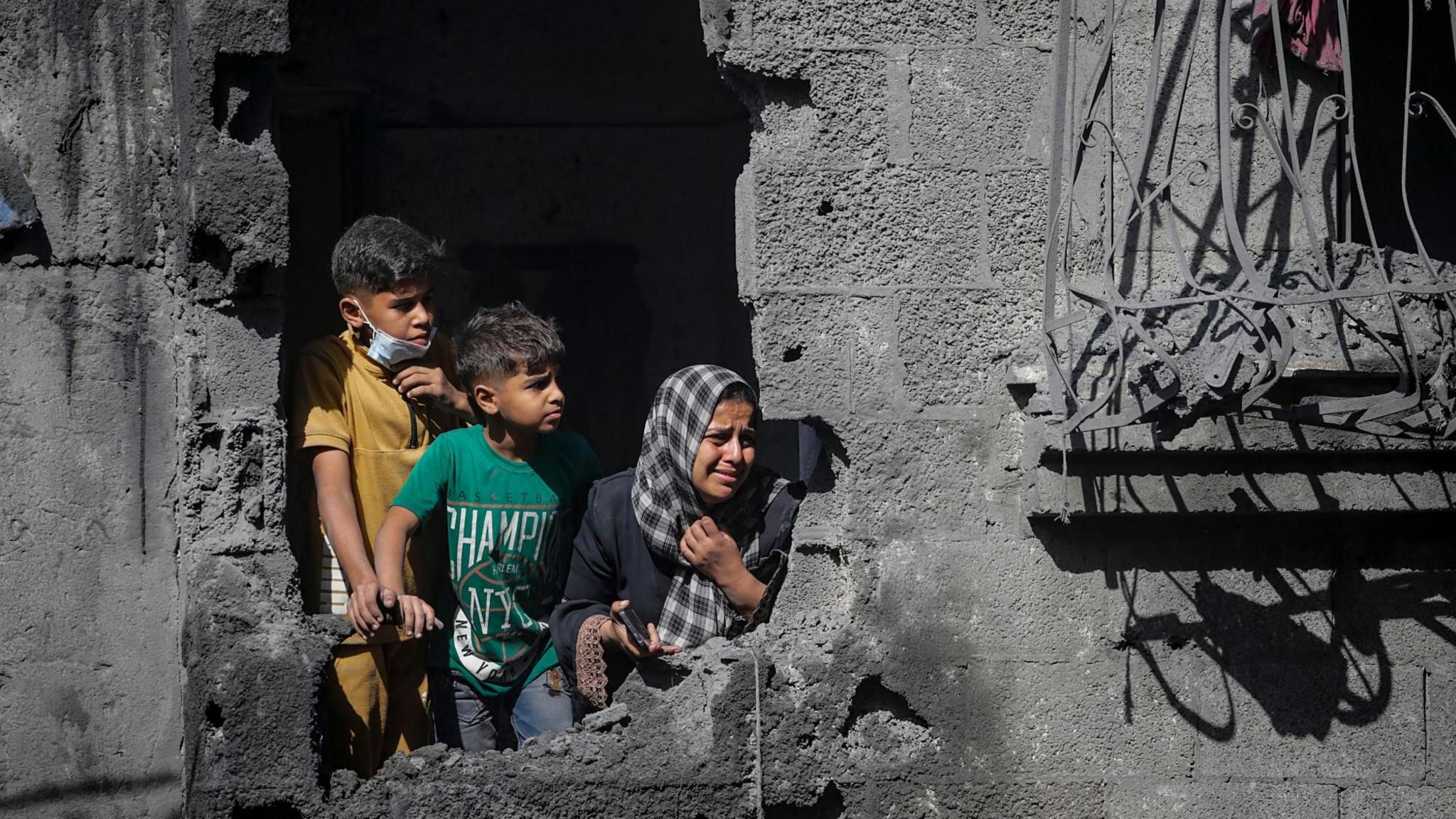
Shrapnel holes across the walls revealed the force of the explosion, which blew the front of the apartment open to the street. Inside, a walking frame lay upended under the rubble.
Sigal Amir, a nearby resident, reported hearing three interceptions before the bomb hit her home. We knew it was our house, she said.
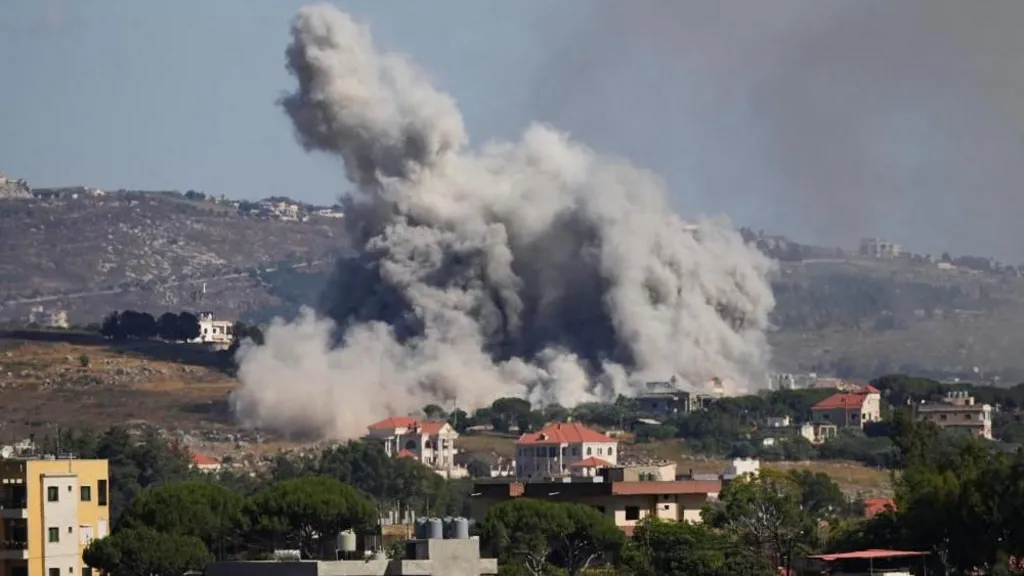
Despite the interceptions of most missiles, the unique nature of cluster bombs, which scatter numerous munitions across a wide area, poses significant risks and complicates defenses.
Each bomb carries 20 to 80 munitions, which are very difficult to stop, explained military spokesman Lt Col Nadav Shoshani.
As this conflict, now 19 days long, drags on, Israel continues to adapt to increased attacks with oil facilities, military sites, and civilian areas being targeted by both sides.
As for the future, many residents are left wondering when the cycle of violence will end, expressing their dwindling hopes amidst the chaos.