In brief
As protests surge across Iran, the resistance of the regime becomes evident despite widespread unrest. Proponents of reform hope for a rapid end to authoritarian rule, but current dynamics suggest a slower, more gradual decline. The loyalty of security forces and ongoing sanctions present significant barriers to change. These insights reveal the complex struggle between the Iranian government and its citizens seeking reform.
How does an authoritarian regime die? As Ernest Hemingway famously said about going broke – gradually then suddenly.
The protesters in Iran and their supporters abroad were hoping that the Islamic regime in Tehran was at the suddenly stage. The signs are, if it is dying, it is still at gradual.
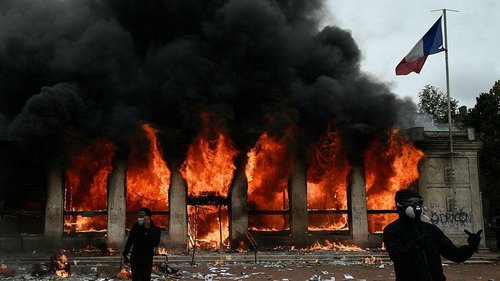
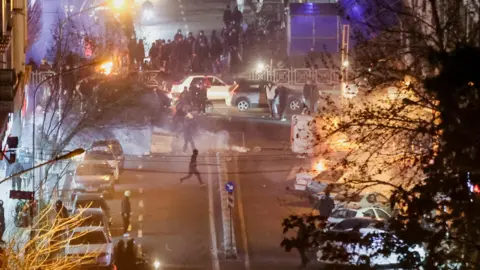
The last two weeks of unrest add up to a big crisis for the regime. Iranian anger and frustration have exploded into the streets before, but the latest explosion comes on top of all the military blows inflicted on Iran in the last two years by the US and Israel.
More importantly for hard-pressed Iranians struggling to feed their families is the impact of sanctions. The reimposition of all UN sanctions in September 2025, particularly amidst soaring food price inflation exceeding 70%, has added strain to the economy, pushing the rial to record lows.
While the Iranian regime is under substantial pressure, it is not on the verge of collapse. Security forces remain loyal, having built an elaborate and ruthless system of coercion over decades. The Iranian Revolutionary Guards Corps (IRGC) plays a crucial role, remaining a pivotal force directly answering to the supreme leader.
Recent protests saw the regime's forces act decisively against demonstrators, mirroring past crackdowns. The Basij militia, an auxiliary force, is notorious for its harsh tactics to silence dissent.
In light of these events, the interplay between Iranian citizens’ desires for change and the regime's resilience underlines a complicated struggle. For now, the regime may seem stable, yet the slightest internal or external shifts could reignite pressures leading toward either further unrest or potential reforms.
The situation remains dynamic, with external pressure from figures like former U.S. President Donald Trump potentially shaping Iran's future. Activists continue to hope for more organized leadership among protesters to facilitate a faster decline of the regime.