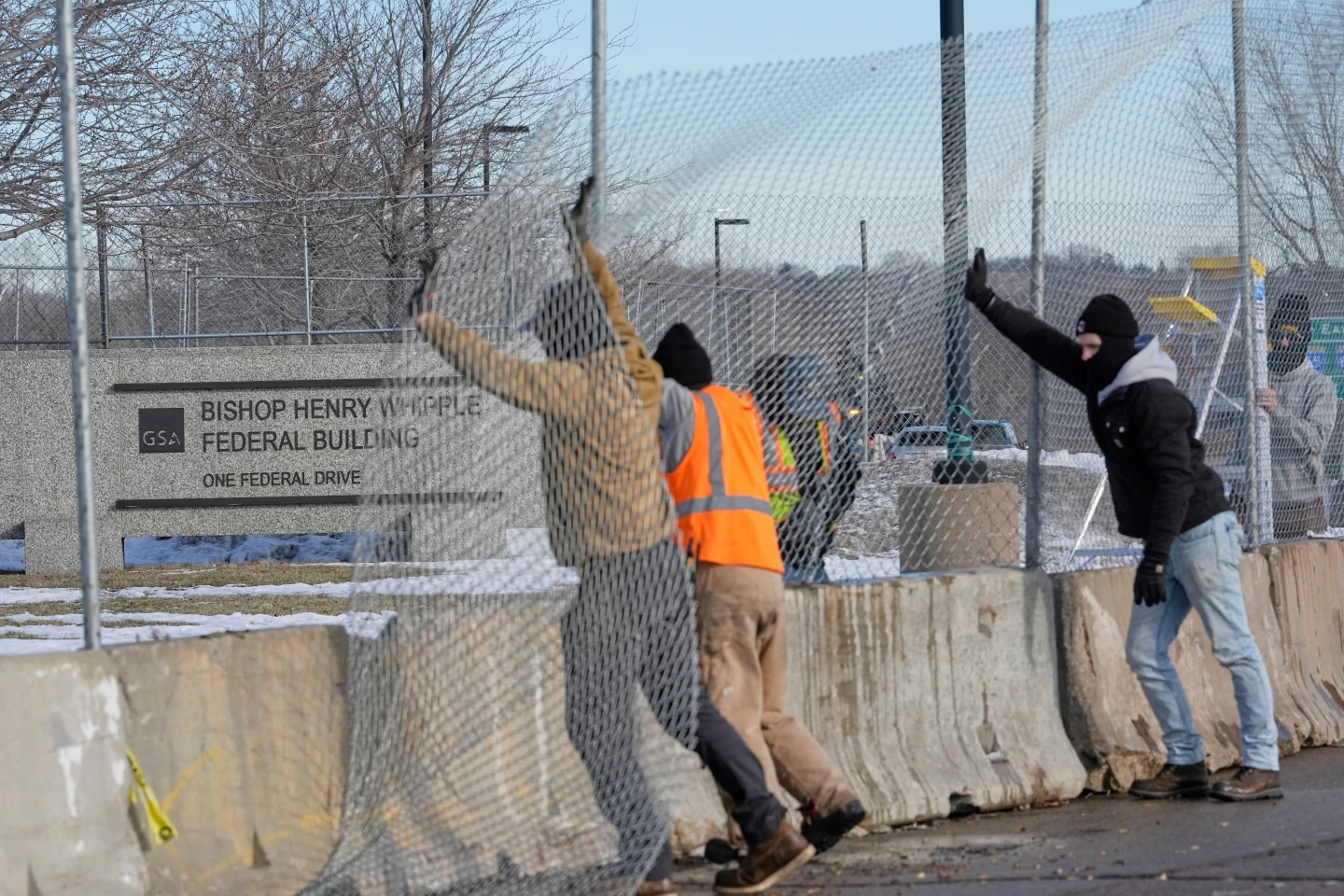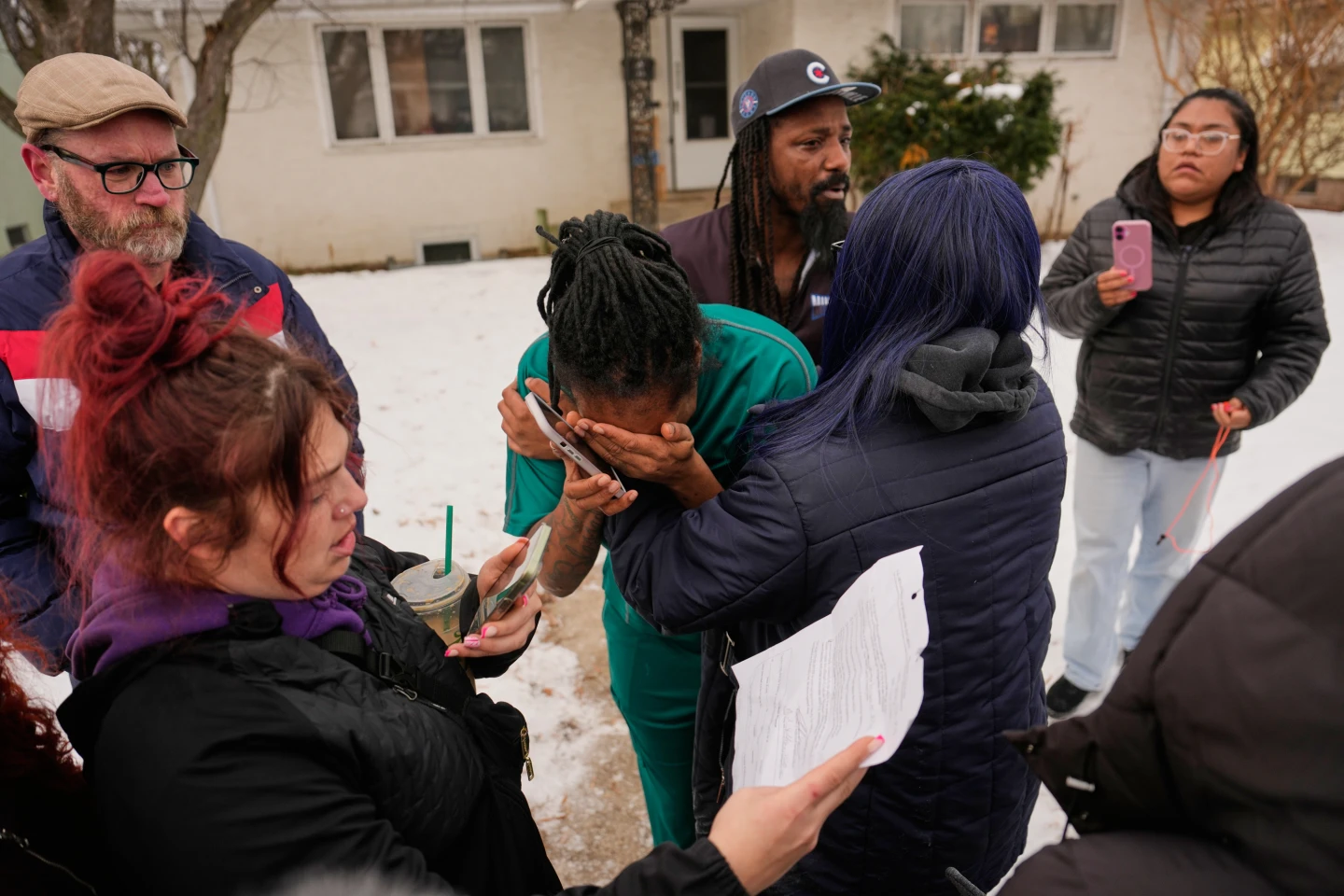
The Trump administration's crackdown on immigration is raising crucial questions about the legality of federal agents making arrests on private property.
With high-profile arrests and increased enforcement, cities like Minneapolis are seeing legal and social tensions escalate. Federal immigration agents often operate under administrative warrants, which do not permit them to forcibly enter homes without consent.
Judicial warrants, approved by a judge, allow agents to enter private property without permission. This key legal difference is essential for anyone facing potential immigration enforcement.
The Fourth Amendment protects individuals from unreasonable searches and seizures, meaning immigration officers must have a valid warrant to conduct searches.
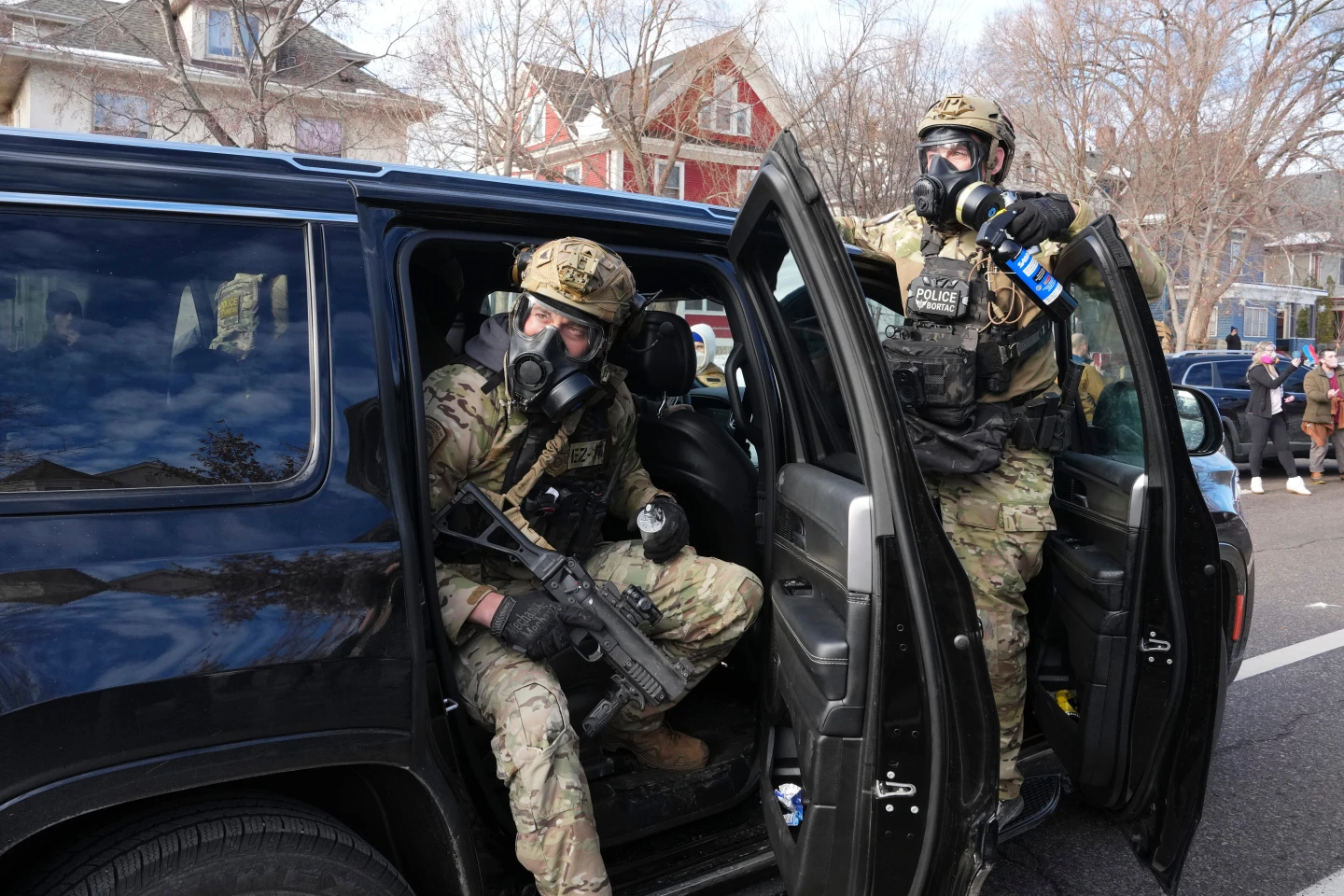
Recent incidents have highlighted the risks of misapplication of these legal standards, especially as more federal agents take on roles traditionally held by ICE officers. Activists and legal experts emphasize the importance of 'know-your-rights' campaigns to educate individuals about their protection against unlawful entry and arrest.
As tensions grow, particularly in places where heavy enforcement occurs, understanding the nuances of immigration law has never been more important. Protecting your rights could make a significant difference in these encounters.