In brief
The overthrow of Nicolás Maduro marks a significant shift for millions of Venezuelans, but many remain apprehensive about the political situation and their own futures in the U.S. While some express hope for change, others worry about the stability and safety of returning home. As policies impact immigrant status, the path forward for these Venezuelans is fraught with uncertainty.
NEW YORK (AP) — Following the late-night military raid that deposed Venezuelan President Nicolás Maduro, Venezuelan migrants in the United States have expressed a rollercoaster of emotions. Many, like Alejandra Salima, feel happiness about the news, but also trepidation for what it means for their future.
Despite the ousting of Maduro, who has long been criticized for his oppressive regime, the fear of returning remains high among Venezuela's diaspora. More than 770,000 Venezuelans currently reside in the U.S., grappling with conflicting feelings about their home country.
Manuel Coronel, a lawyer who fled Venezuela in 2017, articulated the mixed emotions experienced by many, saying, I'm happy they got Maduro, but the criminals are still there. This reflects a common concern: what changes will actually occur after such a significant political shift?
The Trump administration's recent actions to deport Venezuelans without permanent residency or protections have heightened these worries. Many Venezuelans were granted Temporary Protected Status, allowing them to stay, but with Trump revoking some of these protections, the fear of being sent back looms large.
Venezuelan migrants express hope for a better future back home but remain cautious. They doubt a quick return to a more stable Venezuela is possible while Maduro’s associates still hold power and fear persists in their homeland.
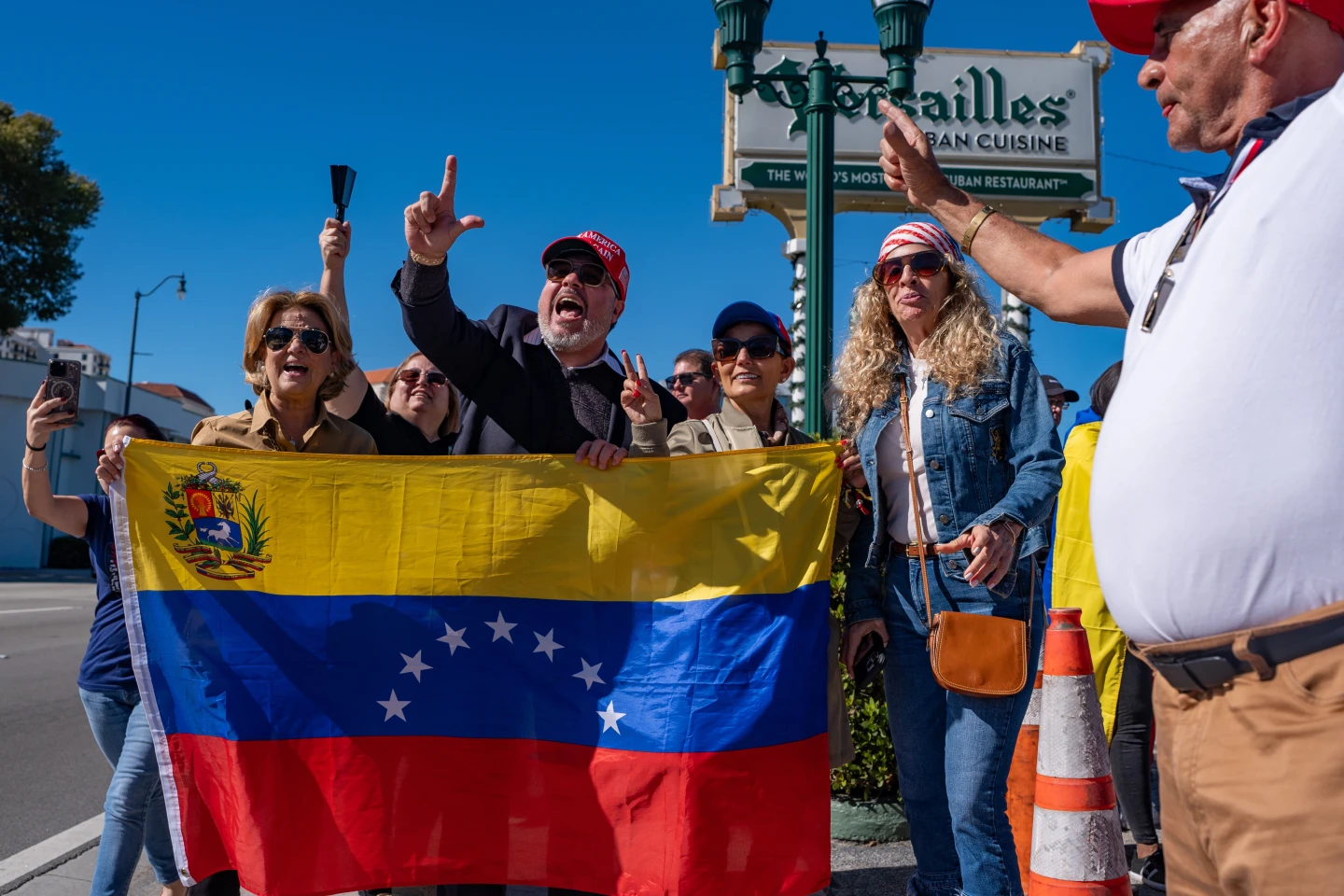
Celebrations among Venezuelan communities in U.S. cities coincide with continued apprehension about the fate of family members still in Venezuela. As they gather to rally for change, many stress the importance of being given the choice to return when it is safe, asserting that they deserve a say in their future.