A week on from the dramatic raid that captured Venezuela's Nicolás Maduro, details of the intelligence surrounding the operation are becoming clearer, but some mysteries still remain.
The mission took months of planning and intelligence gathering. In August, the CIA is believed to have sent a team of undercover officers into Venezuela. The US does not have a functioning embassy in the country, so the team worked in what is known in intelligence circles as a denied area. They were on the ground to scout targets and recruit allies.
US officials revealed a critical source in Maduro's inner circle provided vital intelligence on his whereabouts. Despite intense speculation, their identity remains a mystery.
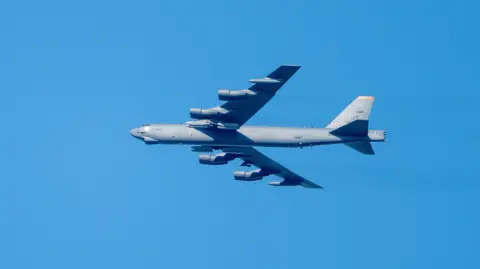
The CIA leveraged both human intelligence and technical resources, including satellite imagery, to formulate their plan. Around 150 aircraft were involved, with helicopters flying low to reach Maduro's compound.
While the operation's success was unlike any previous missions, some mysteries endure, such as how US forces managed to turn off the lights in Caracas to facilitate their entry.
The US Cyber Command’s role suggests military hackers may have infiltrated Venezuelan networks to orchestrate a blackout. Furthermore, the air defenses of China and Russia were reportedly ineffective, raising questions about the technology used by the US to render support during the operation.
Reports indicate that US forces captured Maduro as he attempted to lock himself away, indicating precise foreknowledge of the compound layout. This operation, implicating many players and strategies, marks a notable moment in US-Venezuela relations, but its intricate details are likely to remain classified, fueling ongoing speculation.
The mission took months of planning and intelligence gathering. In August, the CIA is believed to have sent a team of undercover officers into Venezuela. The US does not have a functioning embassy in the country, so the team worked in what is known in intelligence circles as a denied area. They were on the ground to scout targets and recruit allies.
US officials revealed a critical source in Maduro's inner circle provided vital intelligence on his whereabouts. Despite intense speculation, their identity remains a mystery.
The CIA leveraged both human intelligence and technical resources, including satellite imagery, to formulate their plan. Around 150 aircraft were involved, with helicopters flying low to reach Maduro's compound.
While the operation's success was unlike any previous missions, some mysteries endure, such as how US forces managed to turn off the lights in Caracas to facilitate their entry.
The US Cyber Command’s role suggests military hackers may have infiltrated Venezuelan networks to orchestrate a blackout. Furthermore, the air defenses of China and Russia were reportedly ineffective, raising questions about the technology used by the US to render support during the operation.
Reports indicate that US forces captured Maduro as he attempted to lock himself away, indicating precise foreknowledge of the compound layout. This operation, implicating many players and strategies, marks a notable moment in US-Venezuela relations, but its intricate details are likely to remain classified, fueling ongoing speculation.