In brief
More than thirty years in Washington, Senator Lindsey Graham is facing off for a fifth term in a politically charged atmosphere influenced by rising tensions with Iran. Emphasizing his long-standing commitment to a confrontational approach towards Iran, Graham's campaign focus raises questions about the implications for the Republican Party amid the ongoing conflict and high oil prices. His relationship with President Trump, marked by support for military actions, places him at the center of controversy as he tries to solidify his position in an increasingly polarized political climate.
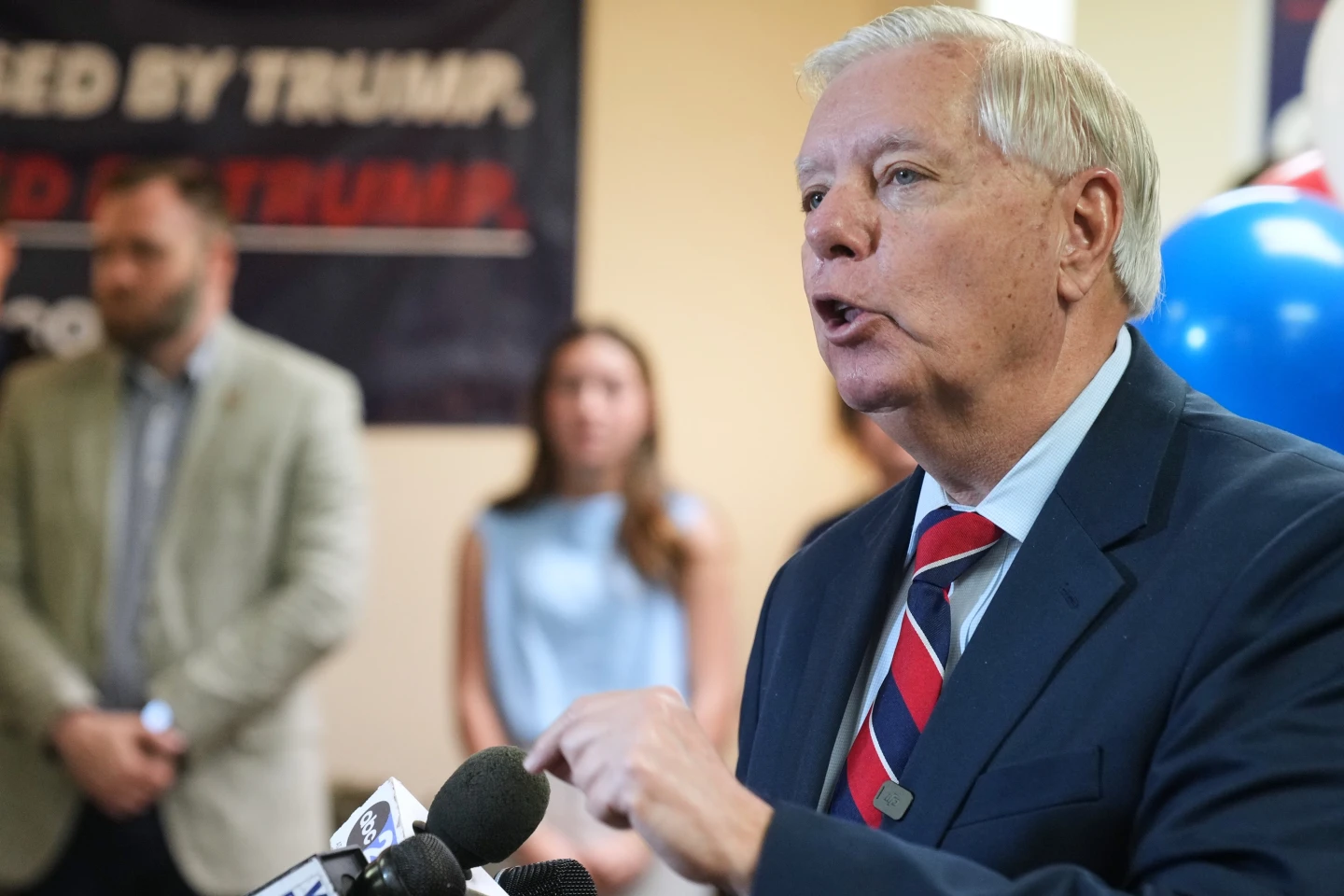
COLUMBIA, S.C. — More than three decades after Lindsey Graham first arrived in Washington, he has everything he could ever want: a close relationship with President Trump, a potential war with Iran, and significant funding for his reelection bid in South Carolina.
Yet, the political landscape was never this charged. As Graham kicks off his campaign for a fifth term, the backdrop of rising oil prices due to conflicts in the Middle East looms large.
Graham's dedication to a military-focused policy stands in contrast to growing public wariness. We’re crushing them, he said, defending the aggressive military measures he supports.
Having pushed for more than a decade for direct action against Iran, Graham remains undeterred by bipartisan criticism regarding his hawkish rhetoric. “If the radical cleric in Iran had a nuclear weapon, he would use it just as certainly as Hitler would,” Graham stated emphatically.
This year’s midterms could reshape Graham's political legacy as one of Washington's leading hawks. Experts suggest that while Graham enjoys a favorable position, the unpredictable outcomes of the ongoing conflict may offset his entrenched campaign strategy.
His alliance with Trump has intensified as they both advocate for military engagement, which has frustrated some within the Republican ranks who deem his enthusiasm for war as excessive. Regardless, Graham enjoys substantial support for his conservative track record in South Carolina and is campaigning vigorously to maintain that backing.
As tensions rise and the electoral stakes increase, Graham’s political expertise and support for military readiness could define both his future and that of U.S. foreign policy.