As the Trump administration gears up for a significant transition in the Department of Homeland Security (DHS), the future of its immigration policies hangs in the balance. With a new leadership team taking shape, the pivotal question arises: Will it signal a change in the mass deportation strategy that has defined Trump's agenda?
During a recent retreat at Trump's golf club in Florida, the White House political director emphasized a focus on enforcing immigration laws against criminals rather than pushing for mass deportations, acknowledging a need for a course correction. House Speaker Mike Johnson hinted that aggressive deportation efforts might be causing internal strife among GOP lawmakers.
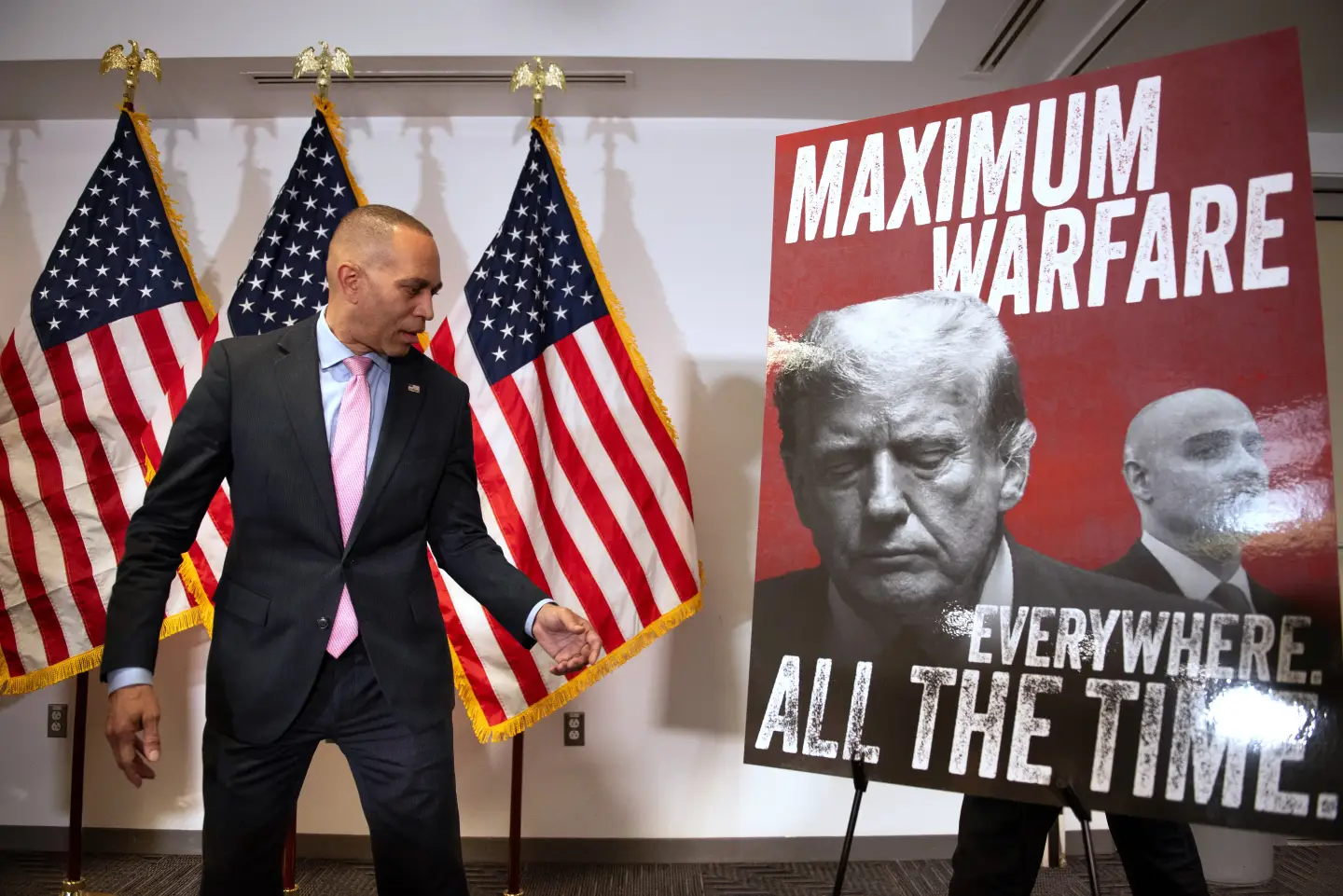
In stark contrast, signals from the administration indicate that the mass deportation operations are intensifying. Billions earmarked for Immigration and Customs Enforcement (ICE) aim to achieve the ambitious target of removing one million immigrants this year. The American Civil Liberties Union's Sarah Mehta highlights the harsh realities of mass detentions and deportations, pointing to a growing public awareness of the consequences behind such policies.
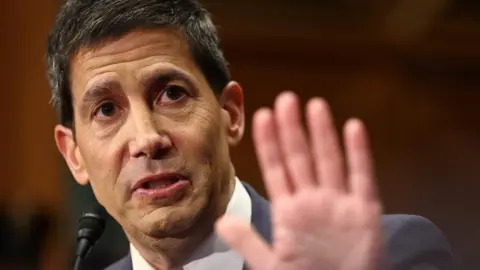
With outgoing DHS Secretary Kristi Noem stepping down, her successor, Senator Markwayne Mullin, is set to face challenging inquiries during his confirmation hearing. The underlying tensions within the Republican Party are palpable, as some favor a more humane approach to immigration enforcement. This shift raises concerns among staunch supporters of traditional mass deportation strategies, creating a complex landscape for future immigration policy.
As the U.S. celebrates its 250th year as a nation of immigrants, the juxtaposition of its founding values with aggressive immigration enforcement tactics raises pressing ethical questions. Will the new leadership direction redefine the principles guiding the DHS, or will it continue to prioritize deportation at all costs?