In brief
India faces potential risks in its piped gas supply due to the Iran conflict, which could affect the delivery of liquefied natural gas (LNG) through the crucial Strait of Hormuz. Though the immediate supply is stable, experts caution that price hikes are likely as the market adjusts to the uncertain geopolitical climate. More than 15 million households rely on piped natural gas, but industries may see cuts, highlighting vulnerabilities in India's energy landscape.
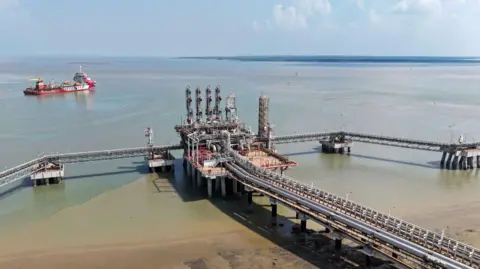
The ongoing war in Iran has already disrupted India's liquefied petroleum gas (LPG) market, and now there are concerns about how it might affect the country's rapidly expanding network of piped natural gas (PNG). India relies on this natural gas for various sectors, including fertilizers and power generation, but city gas networks, which supply households, are seeing the most significant growth.Currently, India has over 15 million PNG connections and is encouraging households to transition from LPG cylinders to piped gas. As demand continues to rise, the question arises: could kitchen gas supplies be affected by the conflict?While panic may set in, experts suggest that immediate disruptions are unlikely. India's piped gas system combines both domestic production and imports of liquefied natural gas (LNG), with around half coming from local sources.Rahul Chopra from Haryana City Gas Distribution Limited reassures that no major disruptions are expected for homes and vehicles, as the government prioritizes these sectors in case of a supply squeeze. However, around 2,200 industrial clients are experiencing a government-mandated 20% reduction in supply, as gas is redirected to essential services.Despite this cushion, experts warn of potential price increases if tensions persist. Approximately 50-55% of India's LNG (which is essential for piped gas) travels through the Strait of Hormuz, making supplies vulnerable to geopolitical fluctuations.Although supplies currently continue due to cargoes loaded before the conflict, disruptions in the future may loom, and India must adjust to a changing landscape of gas prices and availability in the short term. The urgent takeaway for households and industries is the need for preparedness as fuel costs are anticipated to rise.