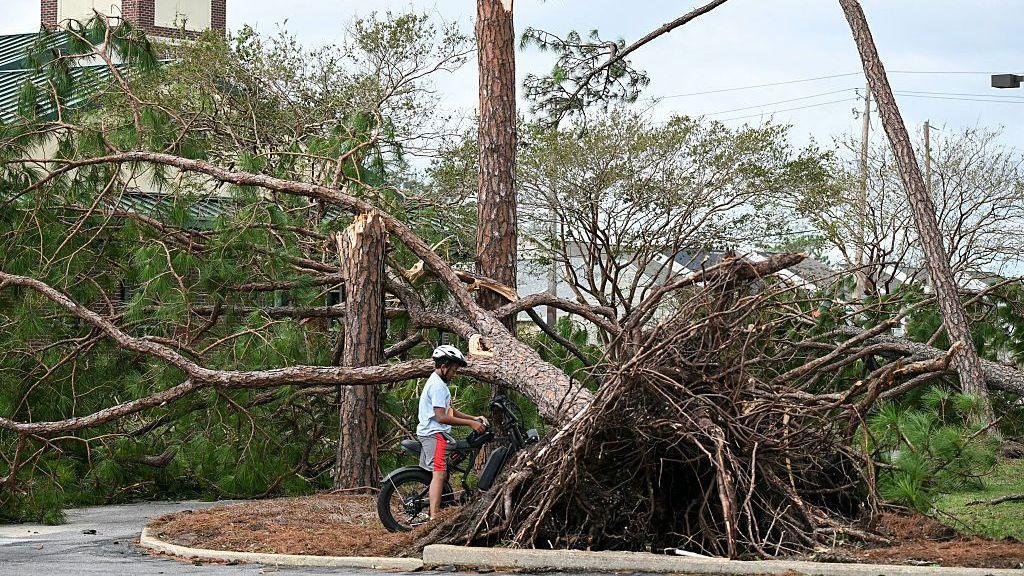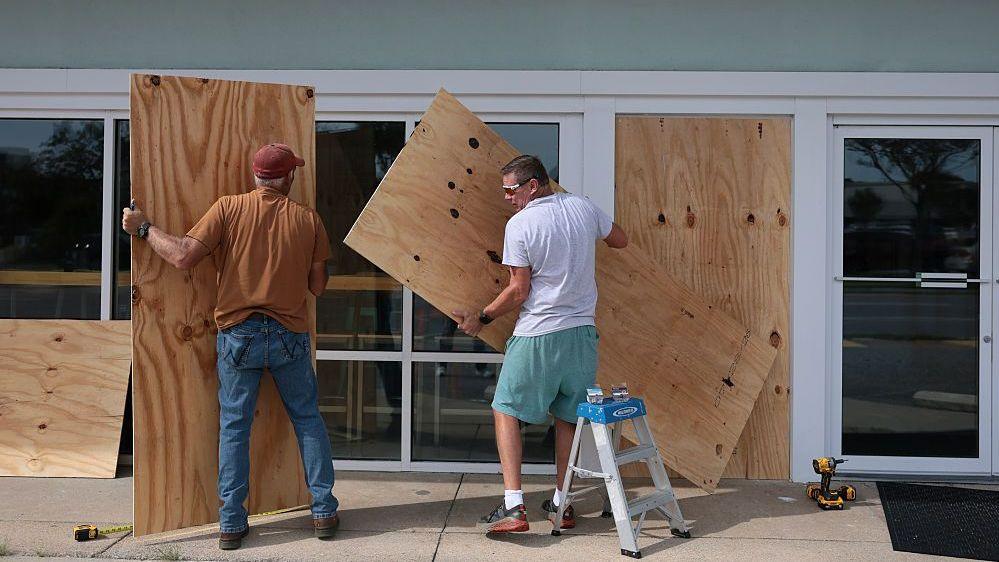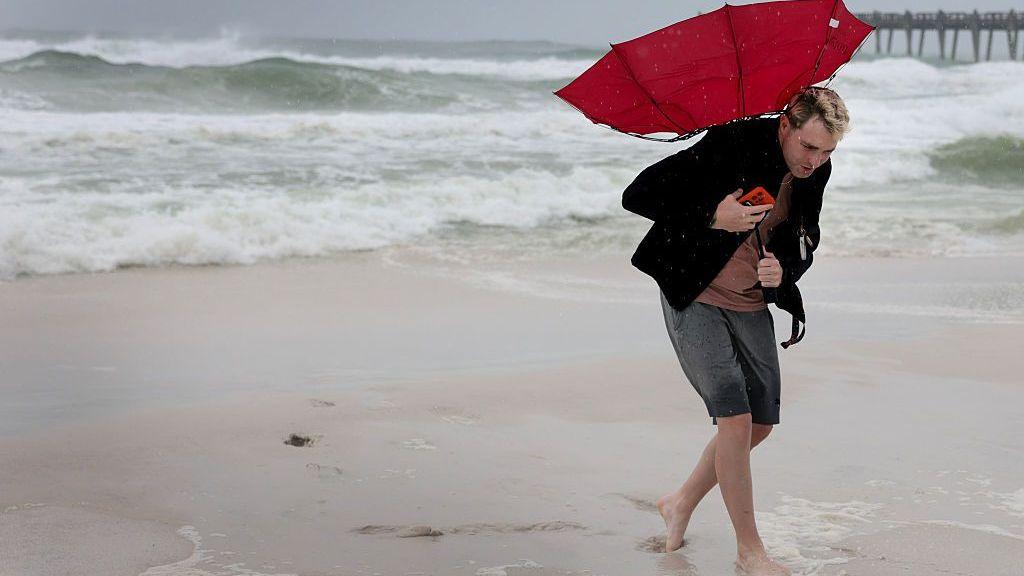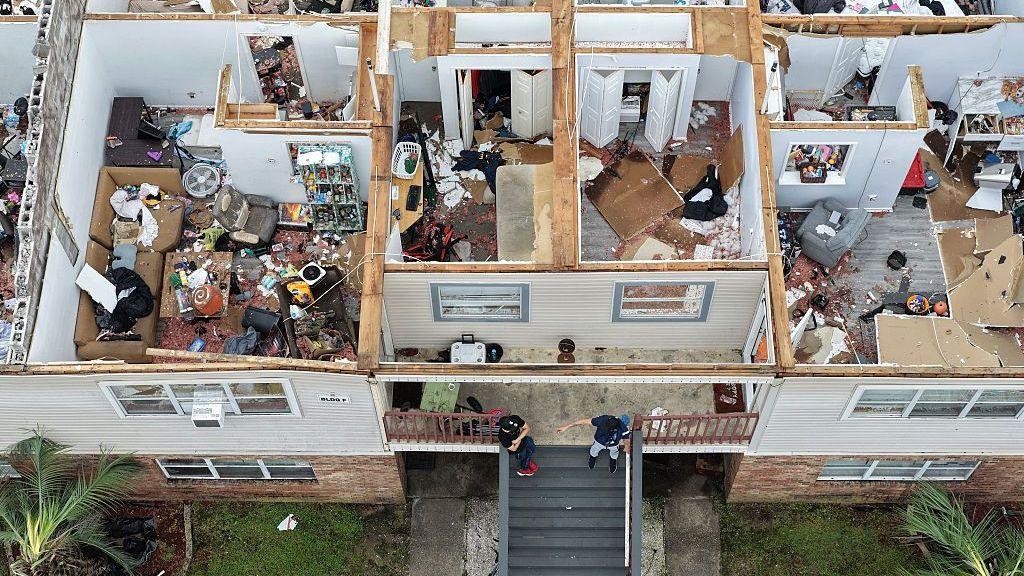
When Hurricane Isaias made landfall on Friday, it brought fierce winds that tore roofs off buildings and toppled trees onto homes, causing a tragic death toll of four in Alabama and Florida. The storm’s impact was felt far beyond the immediate wreckage – an estimated 500,000 people were plunged into darkness as power lines were ripped out across the southern states.
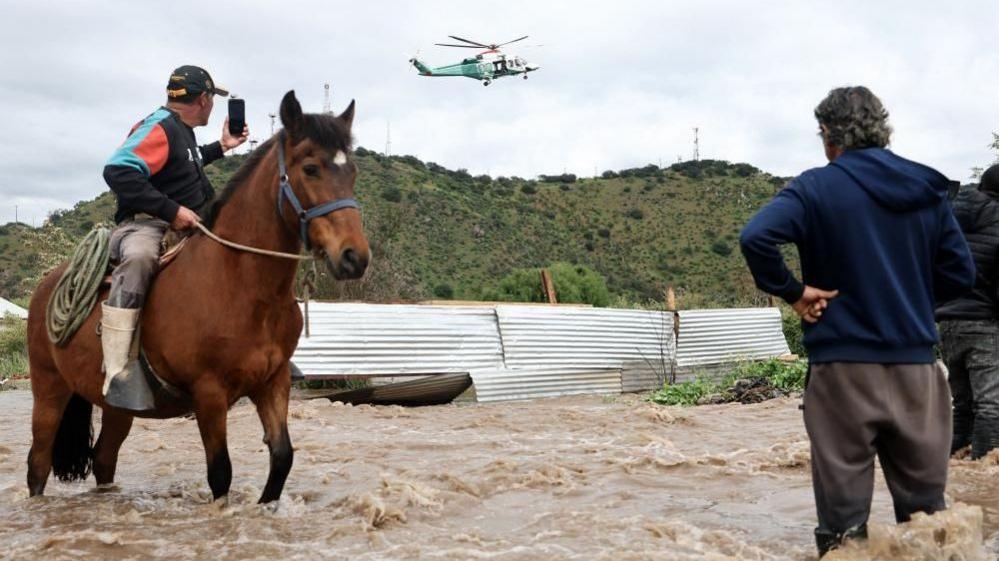
Alabama’s Governor Kay Ivey said two residents lost their lives during the storm, while Florida’s Sheriff highlighted a fatality due to a tree falling on a house. The National Guard even had to swim to flooded trucks to rescue stranded occupants, underscoring the chaos the hurricane unleashed.
Hurricane Isaias is just the opening act of an otherwise quiet Atlantic season. It crossed from the Gulf of Mexico, hit Florida at 105 mph, then moved northeast into the Carolinas. Scientists warn that the storm could spawn tornadoes and bring up to 10 inches of rain, potentially causing more flooding.
While power grid repairs begin, the storm’s aftermath has prompted state officials to keep residents indoors and to provide shelters. The emergency response showcases how modern communities balance technology, emergency services, and social media coordination to navigate natural disasters.