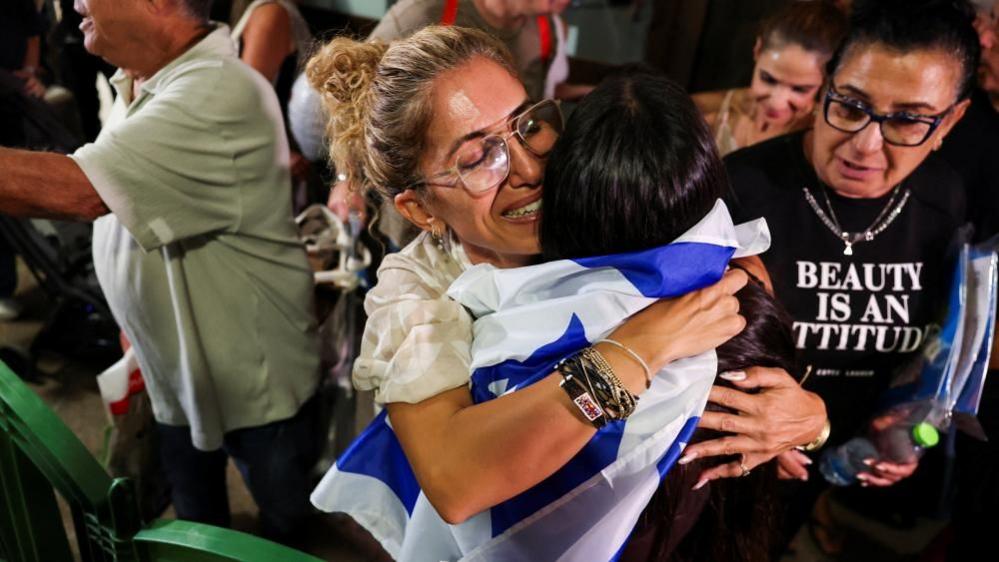
Standing amidst the remnants of her shattered living room, Liat Zvi's weariness encapsulates the sentiment of many Israelis. Facing ongoing hostilities that have dragged on over two years, she expresses a mix of frustration and hopelessness, saying, It's too much for me to look ahead - it's really hard.
Recent polling by the Hebrew University of Jerusalem reveals that despite widespread feelings of exhaustion, around two-thirds of Israelis oppose the current truce negotiations involving the US and Iran. The stark reality of the conflict was recently underscored by the tragic death of a civilian, marking the first fatality in this protracted war.
The survey also indicates that a significant portion of respondents feel that neither Iran nor Hezbollah has been effectively weakened by the actions taken so far - a notable concern given the military's stated objectives to dismantle Iran's nuclear aspirations and missile capabilities.
Compounding the stress is a deep divide in perspectives between Jewish and Arab populations in Israel regarding the conflict’s progression and approaches to ceasefire. Many Jews advocate for continued strikes against Iranian positions, whereas a substantial majority of Arab respondents favor a swift ceasefire.
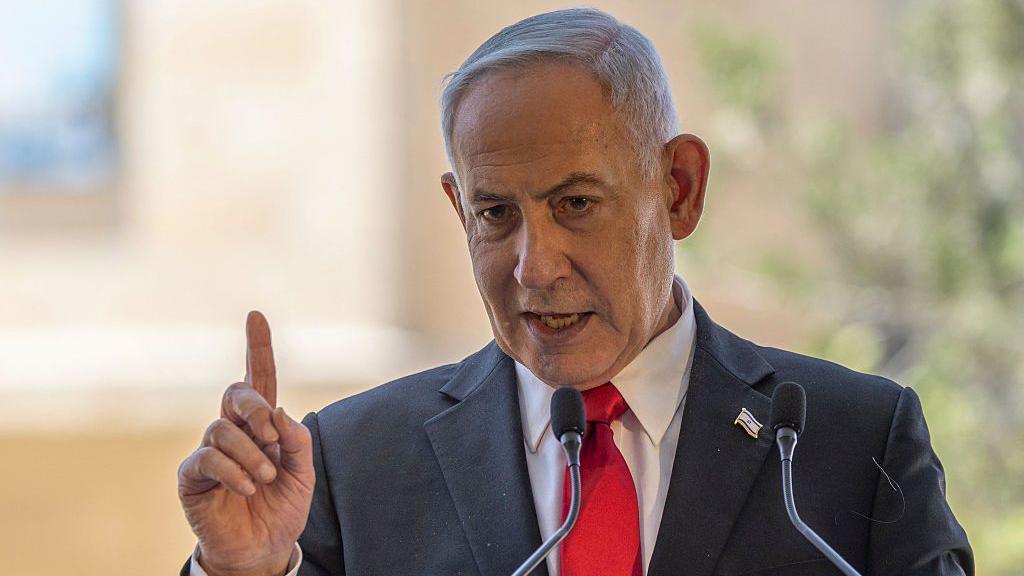
As Prime Minister Netanyahu claims to have achieved significant objectives amidst escalating tensions, many question the actual benefits seen so far, fueling a growing war-weariness that weighs heavily on the minds of the Israeli populace. While some call for stronger military action to eradicate threats from Hezbollah, others cling to hopes for peace amidst the cycles of violence.
Recent polling by the Hebrew University of Jerusalem reveals that despite widespread feelings of exhaustion, around two-thirds of Israelis oppose the current truce negotiations involving the US and Iran. The stark reality of the conflict was recently underscored by the tragic death of a civilian, marking the first fatality in this protracted war.
The survey also indicates that a significant portion of respondents feel that neither Iran nor Hezbollah has been effectively weakened by the actions taken so far - a notable concern given the military's stated objectives to dismantle Iran's nuclear aspirations and missile capabilities.
Compounding the stress is a deep divide in perspectives between Jewish and Arab populations in Israel regarding the conflict’s progression and approaches to ceasefire. Many Jews advocate for continued strikes against Iranian positions, whereas a substantial majority of Arab respondents favor a swift ceasefire.
As Prime Minister Netanyahu claims to have achieved significant objectives amidst escalating tensions, many question the actual benefits seen so far, fueling a growing war-weariness that weighs heavily on the minds of the Israeli populace. While some call for stronger military action to eradicate threats from Hezbollah, others cling to hopes for peace amidst the cycles of violence.