In brief
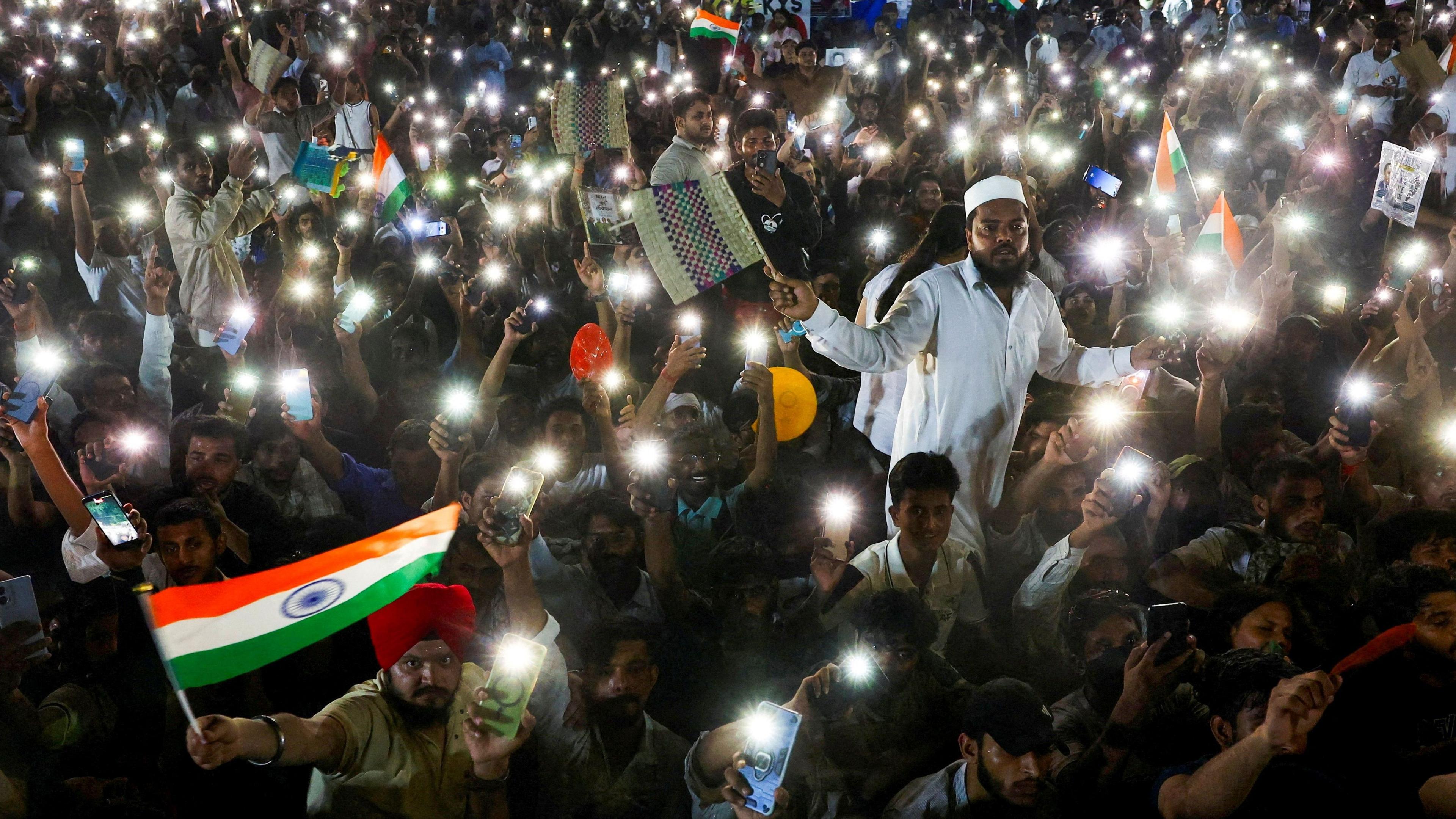
Delhi’s historic Jantar Mantar, once a hub for thousands of protests, is set to lose its status as an official protest site. Police and courts cited logistical concerns, but critics argue this pushes dissent further from the heart of power. Gen‑Z fighters, farmers, and activists have used the space for everything from hunger strikes to climate campaigns, making its future a litmus test for India’s democratic space.
The tree‑lined road next to Delhi’s Parliament, once alive with thousands of slogans, is about to fall silent. Police have announced Jantar Mantar will no longer be an official protest zone.
What is Jantar Mantar? Built in the 1720s as an astronomical observatory, the space has become a meeting place for voters, students and activists since the early 1990s.
The move followed a wave of demonstrations led by the Gen‑Z Cockroach Janta Party—a collective that started as a joke but grew into a political force. The group stageled a hunger strike for the resignation of an education minister, and the protest refused to lose its roar.
Now, protest leaders are told to use three alternative sites: two far from Parliament and one rental‑based venue that can cost tens of thousands of rupees a day. Critics fear this will make it harder for ordinary citizens to reach the political center.
Who has used the space? From farmers in 2008 demanding justice for the Bhopal gas leak survivors, to retired soldiers rallying for pension reforms in 2015, the street has hosted diverse voices. The 2012 anti‑rape movement and the 2022 national student strike also put the bandstand on fire.
Activist Rachna Dhingra remembers camping for months, chasing media attention and standing at the gates of Parliament to shout for change. “We were right at the President’s house—how could they ignore us?” she recalls.
The Supreme Court has just opened a hearing on X‑ing its removal, while opposition leaders claim the spot belongs to the people and will be reclaimed in the future.
Will the quiet roads of Jantar Mantar echo again, or will the roar of dissent fade into the distance? The story continues to play out on the fringes of Delhi’s political heart.