Japan has relaxed decades-old restrictions on its arms exports, thereby clearing the way for weapons sales to more than a dozen countries. The announcement signifies a major shift away from the pacifism that has historically defined Japan's defense policy, particularly as regional tensions rise. Previously, Japan's arms exports were limited to five categories: rescue, transport, warning, surveillance, and minesweeping. The new policy allows Japan to sell lethal weapons to 17 countries with whom it has defense agreements, including major allies such as the US and the UK.
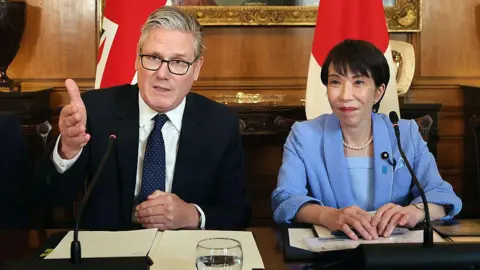
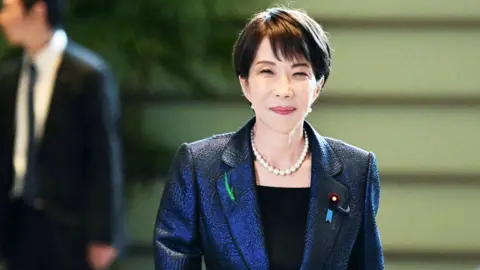
A ban on arms sales to countries involved in conflict will remain, although exceptions may apply for nations with defense treaties with Japan. Prime Minister Takaichi emphasized the need for Japan to adapt to an increasingly severe security environment, reiterating the nation’s commitment to peace while promoting strategic arms transfers.
Chief Cabinet Secretary Minoru Kihara explained that the move aims to bolster Japan's security and contribute to regional stability. However, neighboring nations, especially China, have voiced strong opposition, labeling Japan's decision as reckless militarization.
The announcement comes as Japan's Self-Defence Forces participate in military exercises in the Philippines, marking their first involvement as combatants rather than observers. These drills are taking place in strategically sensitive waters, further heightening concerns amid Japan's past militaristic actions during World War II. While some view this policy as essential for Japan’s defense, others fear it may lead the country back into military conflicts not seen since the 20th century.
A ban on arms sales to countries involved in conflict will remain, although exceptions may apply for nations with defense treaties with Japan. Prime Minister Takaichi emphasized the need for Japan to adapt to an increasingly severe security environment, reiterating the nation’s commitment to peace while promoting strategic arms transfers.
Chief Cabinet Secretary Minoru Kihara explained that the move aims to bolster Japan's security and contribute to regional stability. However, neighboring nations, especially China, have voiced strong opposition, labeling Japan's decision as reckless militarization.
The announcement comes as Japan's Self-Defence Forces participate in military exercises in the Philippines, marking their first involvement as combatants rather than observers. These drills are taking place in strategically sensitive waters, further heightening concerns amid Japan's past militaristic actions during World War II. While some view this policy as essential for Japan’s defense, others fear it may lead the country back into military conflicts not seen since the 20th century.