The $20 Million Shell Game: How Jay-Z’s MarcyPen Got Caught in Uncle Nearest’s Financial Implosion
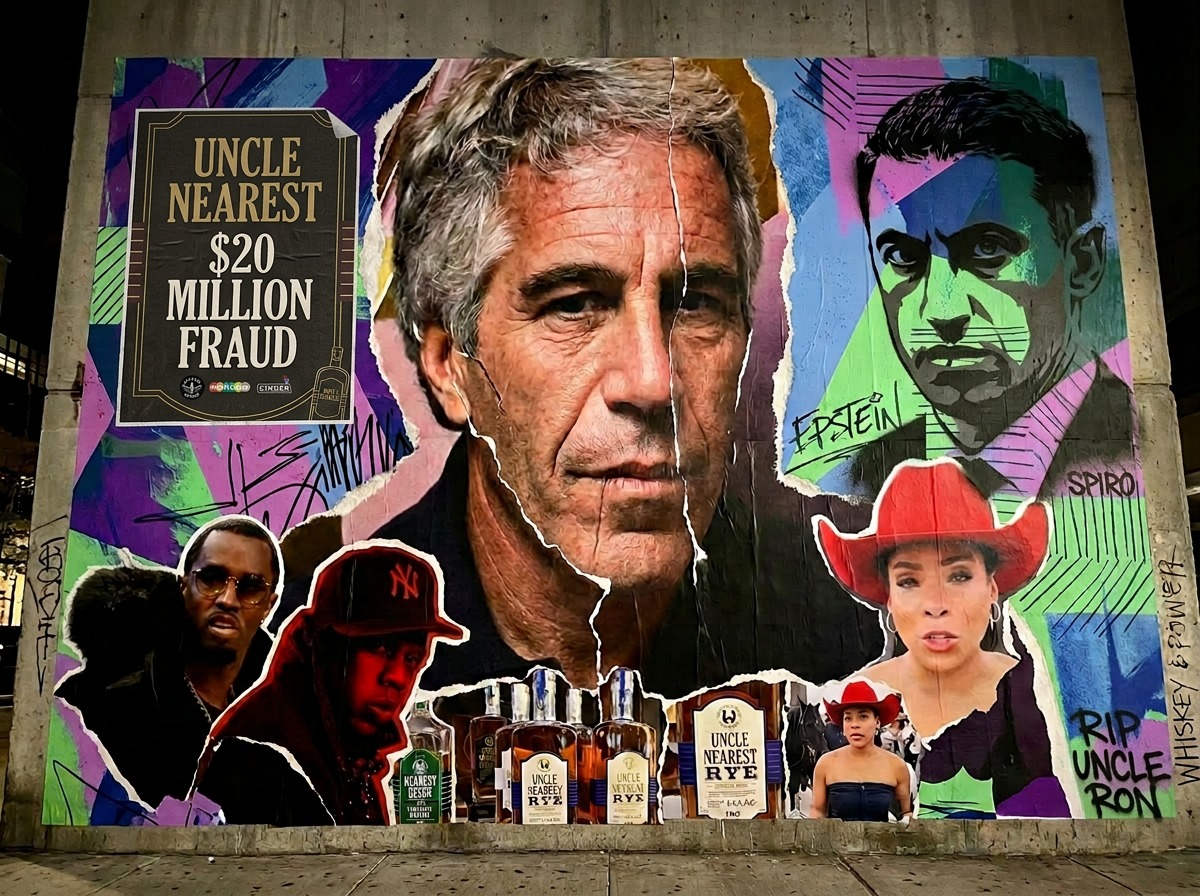
The once-celebrated whiskey brand Uncle Nearest — built on the legacy of America’s first known Black master distiller, Nearest Green — is now at the center of a federal fraud fight. And the $20 million at the heart of the latest accusations runs directly through an investment entity tied to Shawn “Jay-Z” Carter.
Court filings reviewed by Media Take Out reveal that an investment group called MarcyPen — Carter’s venture capital firm, formed through the 2024 merger of his Marcy Venture Partners and Pendulum Holdings — provided $20 million to Uncle Nearest through a convertible note agreement that was never disclosed to the company’s primary lender. The court-appointed receiver has accused founder Fawn Weaver of moving nearly all of those funds into a bank account controlled by a separate entity called Grant Sidney — an account controlled solely by Weaver herself.
In sworn testimony, Weaver reportedly admitted the money was structured so it “could not be snatched” by lender Farm Credit Mid-America. The receiver argues this was an intentional effort to conceal cash collateral — a claim that, if proven, constitutes fraud.
The $20 million scheme is only the latest chapter in Uncle Nearest’s financial unraveling. Forbes reported that in August 2025, a federal judge placed the company under receivership after it defaulted on more than $108 million in loans from Farm Credit Mid-America. The lender accused Uncle Nearest of inflating barrel inventory to secure additional credit, breaching loan covenants, and diverting funds — including purchasing a $2.2 million Martha’s Vineyard property with loan proceeds.
The receiver’s findings have only deepened the picture of financial chaos: nearly 500 transfers between Uncle Nearest and Weaver-controlled businesses, no federal tax returns filed since 2018, and the sale of $2.2 million in future revenue for just $1.6 million in cash. Total debts may now exceed $220 million.
As the legal walls closed in, Weaver took to Instagram with a defiant public campaign. In a widely shared Reel, she declared: “I built this company, I own this company, I run this company.” She launched “Operation Clear the Shelves,” urging supporters to buy every bottle available to prove the brand’s viability, even telling followers: “When the shelves restock, don’t forget, keep clearing them out.”
But critics were not persuaded. Court documents tell a starkly different story than Instagram. While Weaver publicly claimed the company was posting record sales, the receiver reported negative cash flow, the need for a $2.5 million emergency funding injection just to make payroll, and approximately $120 million owed to Farm Credit with an additional $54 million in unsecured vendor debt.
Jay-Z: Not Charged, but Not Clean
Carter himself is not accused of wrongdoing in the Uncle Nearest case. But the involvement of MarcyPen — his billion-dollar investment vehicle — in a $20 million transaction that the receiver has labeled an effort to hide money from a creditor raises serious questions about the due diligence and oversight surrounding Carter’s already troubled empire.
The once-celebrated whiskey brand Uncle Nearest — built on the legacy of America’s first known Black master distiller, Nearest Green — is now at the center of a federal fraud fight. And the $20 million at the heart of the latest accusations runs directly through an investment entity tied to Shawn “Jay-Z” Carter.
Court filings reviewed by Media Take Out reveal that an investment group called MarcyPen — Carter’s venture capital firm, formed through the 2024 merger of his Marcy Venture Partners and Pendulum Holdings — provided $20 million to Uncle Nearest through a convertible note agreement that was never disclosed to the company’s primary lender. The court-appointed receiver has accused founder Fawn Weaver of moving nearly all of those funds into a bank account controlled by a separate entity called Grant Sidney — an account controlled solely by Weaver herself.
In sworn testimony, Weaver reportedly admitted the money was structured so it “could not be snatched” by lender Farm Credit Mid-America. The receiver argues this was an intentional effort to conceal cash collateral — a claim that, if proven, constitutes fraud.
The $20 million scheme is only the latest chapter in Uncle Nearest’s financial unraveling. Forbes reported that in August 2025, a federal judge placed the company under receivership after it defaulted on more than $108 million in loans from Farm Credit Mid-America. The lender accused Uncle Nearest of inflating barrel inventory to secure additional credit, breaching loan covenants, and diverting funds — including purchasing a $2.2 million Martha’s Vineyard property with loan proceeds.
The receiver’s findings have only deepened the picture of financial chaos: nearly 500 transfers between Uncle Nearest and Weaver-controlled businesses, no federal tax returns filed since 2018, and the sale of $2.2 million in future revenue for just $1.6 million in cash. Total debts may now exceed $220 million.
As the legal walls closed in, Weaver took to Instagram with a defiant public campaign. In a widely shared Reel, she declared: “I built this company, I own this company, I run this company.” She launched “Operation Clear the Shelves,” urging supporters to buy every bottle available to prove the brand’s viability, even telling followers: “When the shelves restock, don’t forget, keep clearing them out.”
But critics were not persuaded. Court documents tell a starkly different story than Instagram. While Weaver publicly claimed the company was posting record sales, the receiver reported negative cash flow, the need for a $2.5 million emergency funding injection just to make payroll, and approximately $120 million owed to Farm Credit with an additional $54 million in unsecured vendor debt.
Jay-Z: Not Charged, but Not Clean
Carter himself is not accused of wrongdoing in the Uncle Nearest case. But the involvement of MarcyPen — his billion-dollar investment vehicle — in a $20 million transaction that the receiver has labeled an effort to hide money from a creditor raises serious questions about the due diligence and oversight surrounding Carter’s already troubled empire.