In brief
France’s Gravelines nuclear power plant has been partially shut down after jellyfish clogged its seawater cooling system, forcing three of its six reactors offline. The massive swarm, part of a warm‑water marine surge, has disrupted the plant’s cooling filters—a rare but growing threat to energy infrastructure. EDF is limiting power output on the remaining units while authorities work with fishermen to push jellyfish further offshore. Similar incidents have surfaced in Scotland and Sweden, but this is the first time the issue shut reactors in France. The event highlights how climate‑driven marine ecosystems can unexpectedly impact national energy grids.
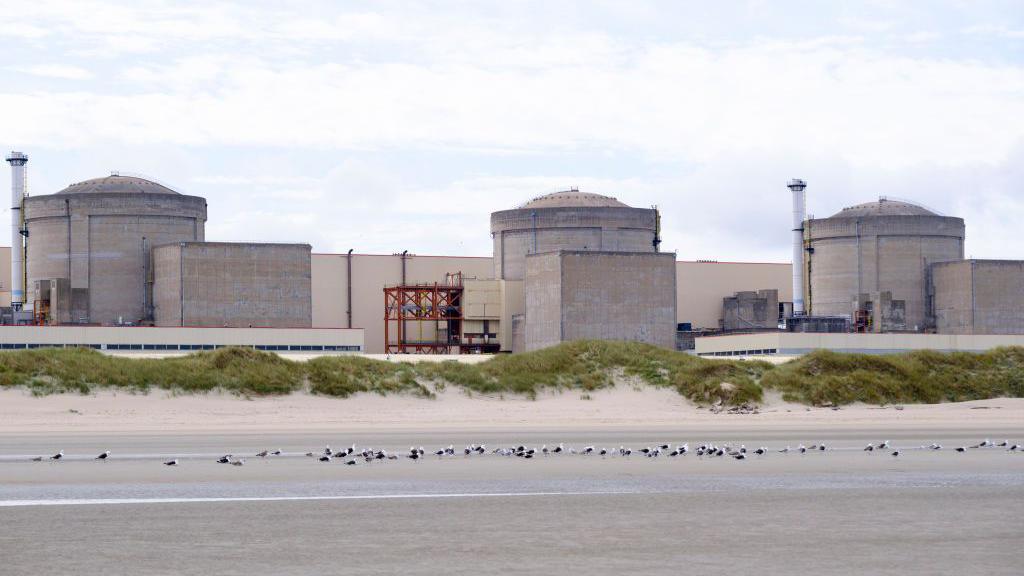
The Gravelines nuclear power station, one of France’s biggest, has seen two of its six reactors shut down after a massive influx of jellyfish clogged its seawater cooling system.
Stunning, yet practical: the creatures foul the filters that pump cold North‑Sea water into the reactors’ heat exchangers, and the plant can’t safely keep up cooling.
On 10 August a third unit was pulled offline, and a fourth was examined to ensure it wasn’t in the line. Units one and two continue to run, but at reduced power as a preventative measure.
According to EDF, each reactor generates about 900 megawatts, and the whole complex once produced a chunk of France’s electricity grid.
Jellyfish tend to swell in the summer heat, feeding on plankton and drifting from warmer coastal waters. The warm‑water surge has been a known invasive factor for other European plants, such as Scotland’s Torness and Sweden’s Oskarshamn.
French officials are now hiking with fishermen to capture the creatures and relocate them offshore. The ebb and flow of marine predators could become an unexpected variable in power‑generation reliability.