Kenya has signed a historic five-year health agreement with the US, the first such pact since Donald Trump's administration overhauled its foreign aid programme.
The $2.5bn deal is aimed at combating infectious diseases in Kenya, with similar agreements expected to be rolled out in other African countries aligned with Trump's broader foreign policy goals.
The government-to-government deal aims to boost transparency and accountability but has raised fears it could give the US real-time access to critical health databases, including sensitive patient information.
Kenya's Health Minister Aden Duale sought to allay such fears, saying only de-identified, aggregated data would be shared.
On his first day in office in January, Trump announced a freeze on foreign aid as part of a government spending review, dismantled the US Agency for International Development (USAID) and cut billions in aid to poorer countries.
This has led to a drastic reduction in the availability of some drugs in developing countries.
In September, the Trump administration introduced an America First Global Health Strategy, making aid dependent on negotiations that officials said would cut waste and advance US priorities.
Under the deal with Kenya, the US will contribute $1.7bn, with the Kenyan government covering $850m and gradually taking on more responsibility.
The deal targets the prevention and treatment of HIV/Aids, malaria, and tuberculosis, maternal care, polio eradication and infectious disease outbreak response and preparedness.
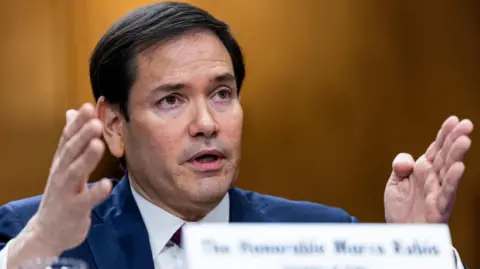
Signing the agreement with Kenya's President William Ruto, US Secretary of State Marco Rubio described it as a landmark agreement, and referred to Kenya as a longstanding American ally.
He praised Kenya for its role in leading and contributing to the UN-backed mission working to combat powerful gangs in Haiti.
Kenya's president said the money would be used to work towards the country's priorities, such as buying modern equipment for hospitals and boosting the health workforce.
However, some Kenyans are demanding the disclosure of the full agreement, expressing concerns about potential access to personal medical records such as HIV status and vaccination data. Minister Duale reassured that the health data would remain secure under Kenyan laws, but the debate on data privacy continues as US officials have yet to address these concerns.